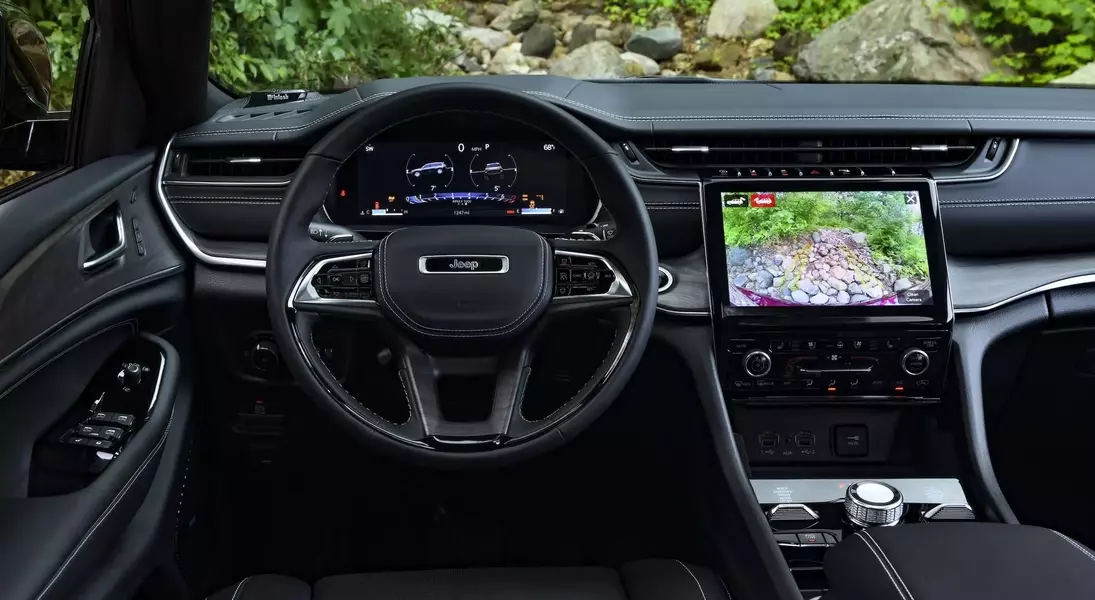
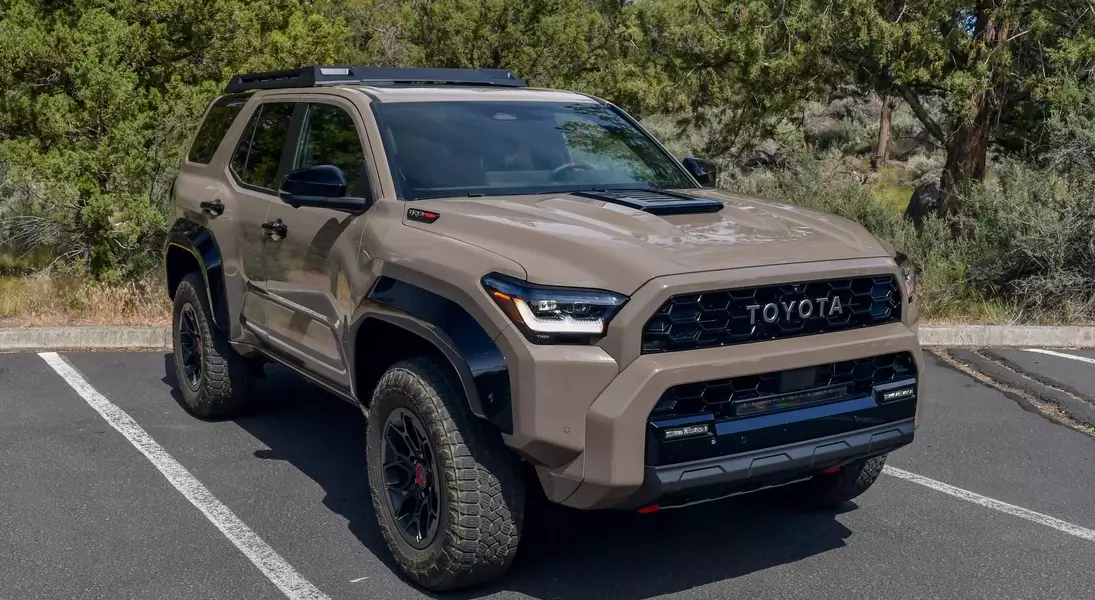
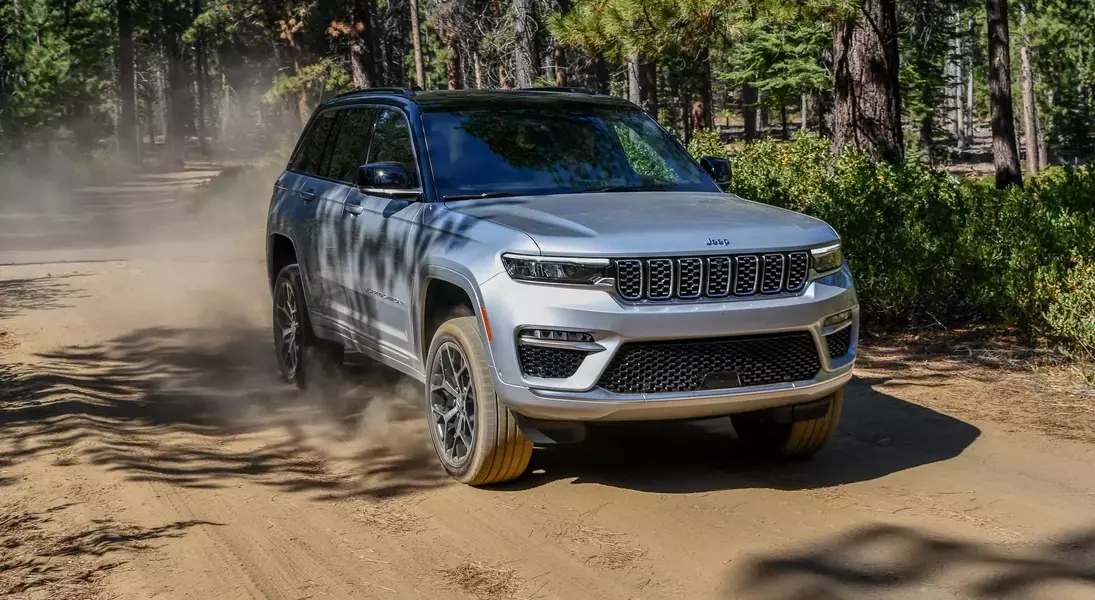
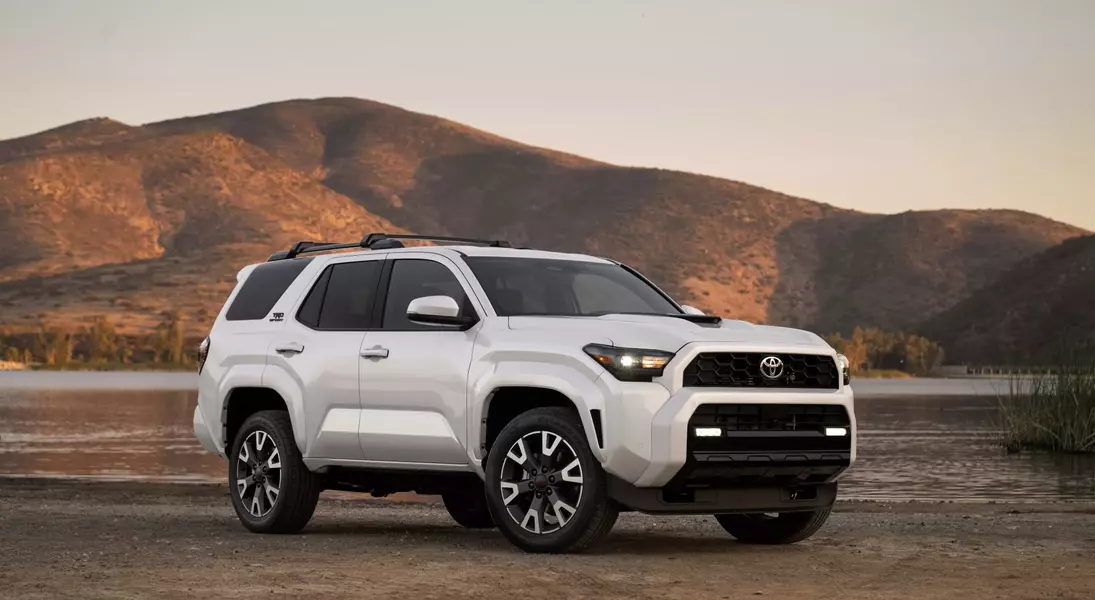
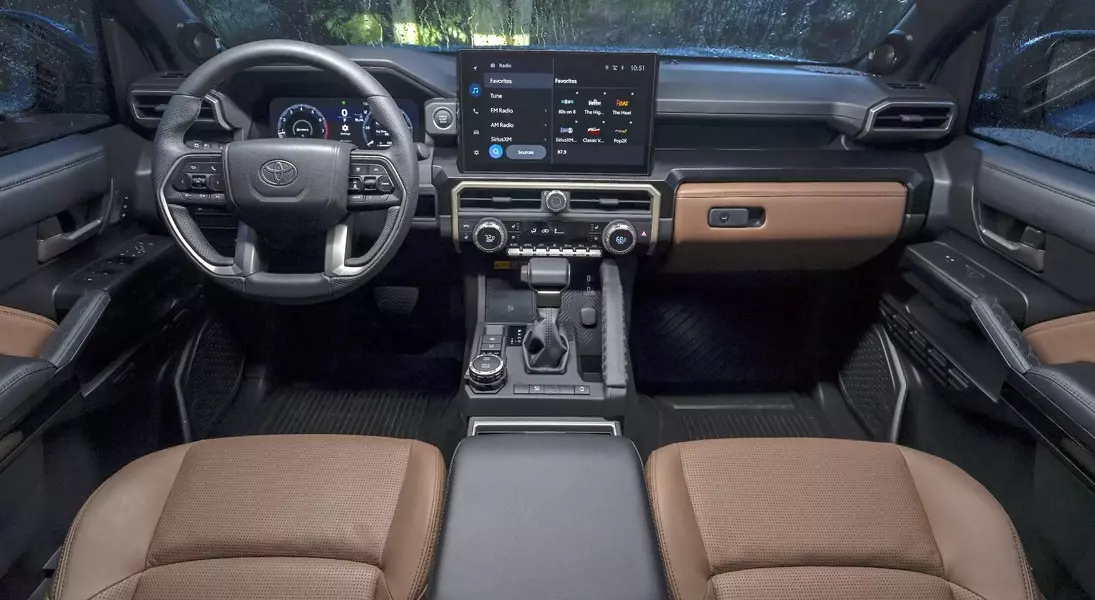
The 2025 Toyota 4Runner and Jeep Grand Cherokee, both prominent mid-size SUVs, offer distinct experiences for car enthusiasts. While the 4Runner has undergone a complete redesign, emphasizing a robust truck-like foundation and advanced powertrains, the Grand Cherokee continues its legacy of refined road performance and luxurious interiors. This comparison delves into their primary differences, examining their platforms, engine options, and interior designs to help prospective buyers make an informed decision based on their driving priorities.
The choice between the 2025 Toyota 4Runner and the 2025 Jeep Grand Cherokee comes down to whether one values rugged, off-road capability or smooth, on-road comfort. The 4Runner's new body-on-frame construction and advanced hybrid powertrain position it as a formidable contender for adventurous terrain. Conversely, the Grand Cherokee's unibody design, varied engine offerings, and upscale interior cater to those seeking a more refined daily driving experience with premium features. Both vehicles excel in their respective niches, offering compelling attributes for different types of drivers and their automotive needs.
Foundation and Construction: Truck-Like Toughness vs. Road-Oriented Refinement
The 2025 Toyota 4Runner is built on the robust TNGA-F global truck platform, a ladder-frame chassis also used in models like the Tundra and Tacoma. This engineering choice significantly enhances its durability, off-road prowess, and structural integrity, making it ideal for challenging terrains and heavy-duty use. The platform's design focuses on maximizing ruggedness and capability, ensuring the 4Runner maintains its reputation as a go-anywhere vehicle. This strong foundation is a key differentiator, providing a sturdy base for its redesigned suspension and improved rigidity.
In contrast, the 2025 Jeep Grand Cherokee utilizes a unibody architecture, which prioritizes a smoother and quieter ride on paved roads. This design offers superior cabin isolation and enhanced handling dynamics, making it well-suited for daily commutes and longer highway journeys. While the Grand Cherokee still offers impressive off-road capabilities, particularly with its specialized Trailhawk trims and Quadra-Drive II 4x4 systems, its fundamental construction leans towards a more car-like driving experience. This difference in underlying structure directly impacts how each vehicle performs and feels in various driving conditions, catering to distinct consumer preferences.
Powertrain Diversity: Turbocharged Hybrid Power vs. Flexible Engine Choices
Toyota has revolutionized the 4Runner's powertrain by replacing its traditional V6 with a more efficient 2.4-liter turbocharged four-cylinder engine, generating 278 horsepower and 317 pound-feet of torque. This is complemented by an available i-Force Max hybrid system, which boosts output to 326 horsepower and an impressive 465 pound-feet of torque. This hybrid option not only enhances performance but also improves towing capacity, providing a modern and powerful solution for various driving demands. The shift reflects Toyota's commitment to combining robust power with improved fuel efficiency.
The 2025 Jeep Grand Cherokee continues to offer a broader range of engine options to suit diverse needs. Its standard 3.6-liter Pentastar V6 delivers a respectable 293 horsepower and 260 pound-feet of torque. For those seeking greater power and efficiency, the Grand Cherokee 4xe plug-in hybrid stands out with 375 horsepower and 470 pound-feet of torque, making it the most potent option between the two SUVs. The 4xe also provides the added benefit of electric-only driving for short distances, offering a significant advantage in fuel economy and environmental performance compared to any 4Runner configuration.
