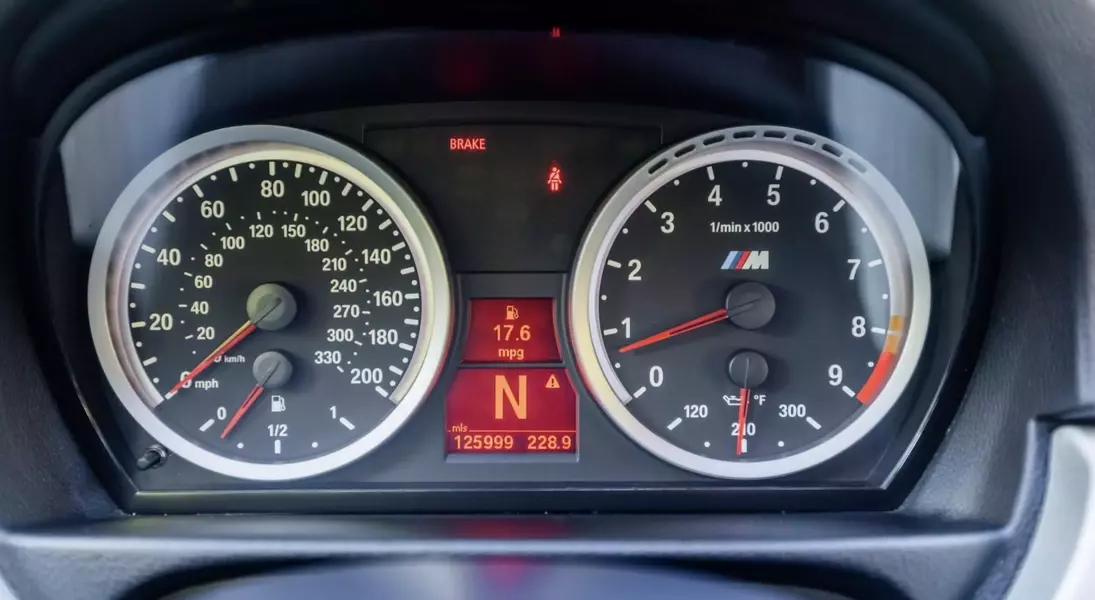
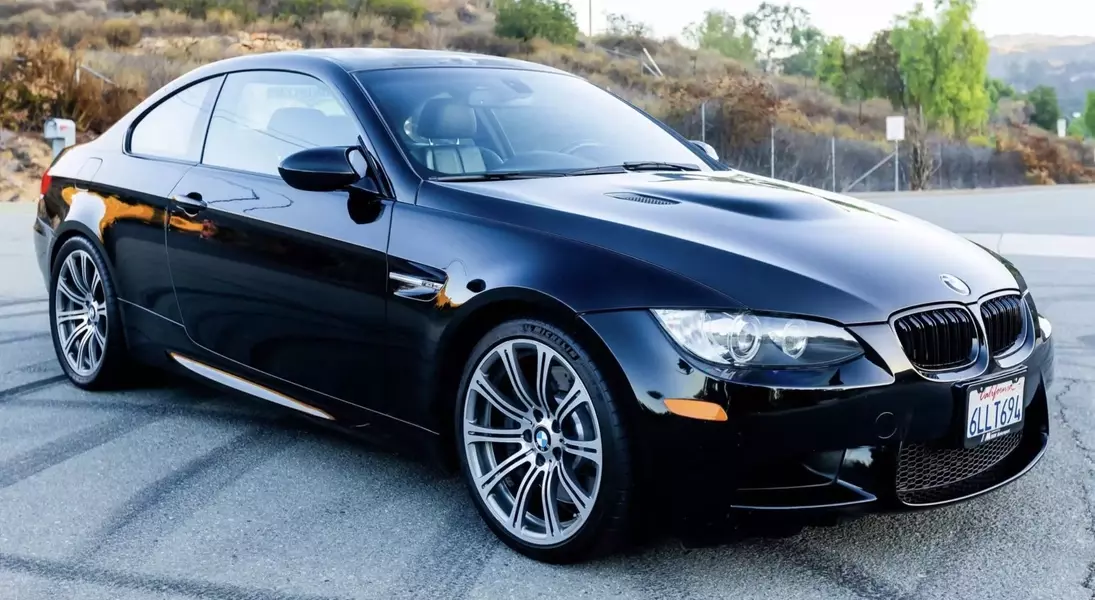

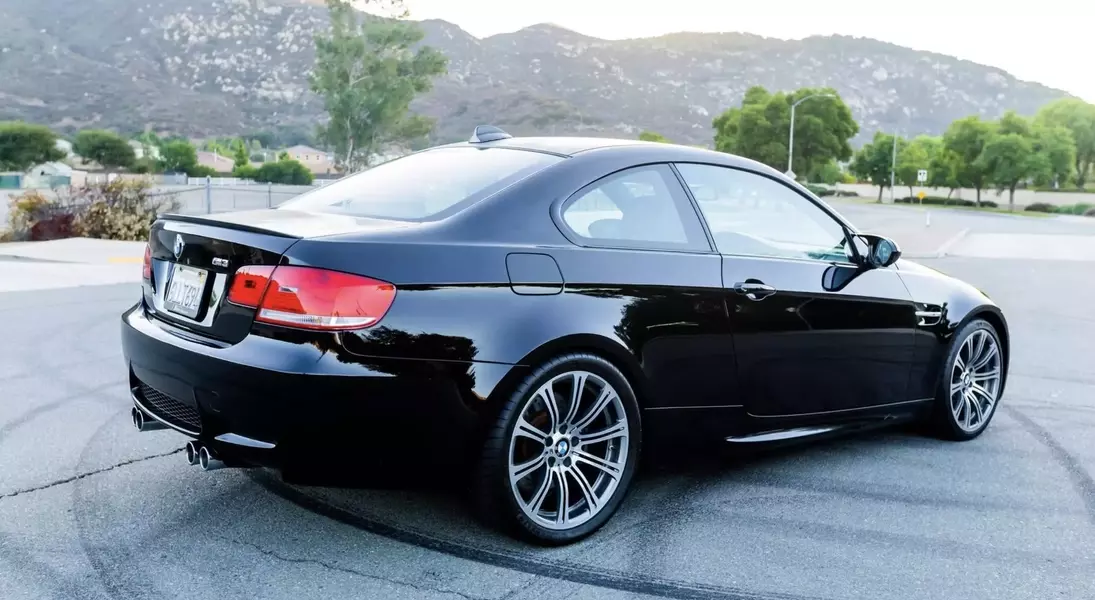

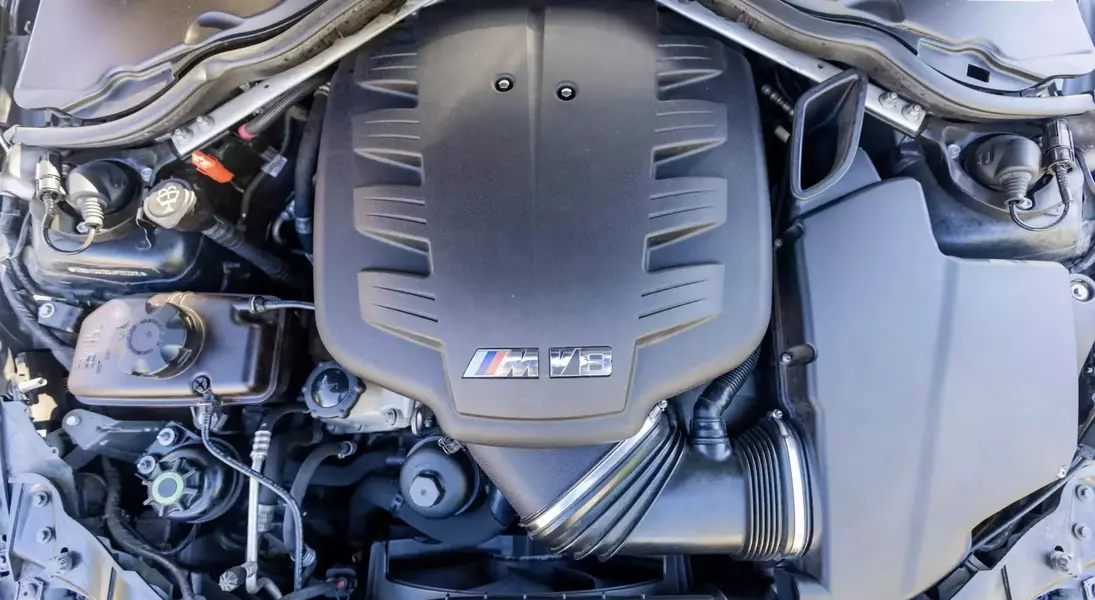
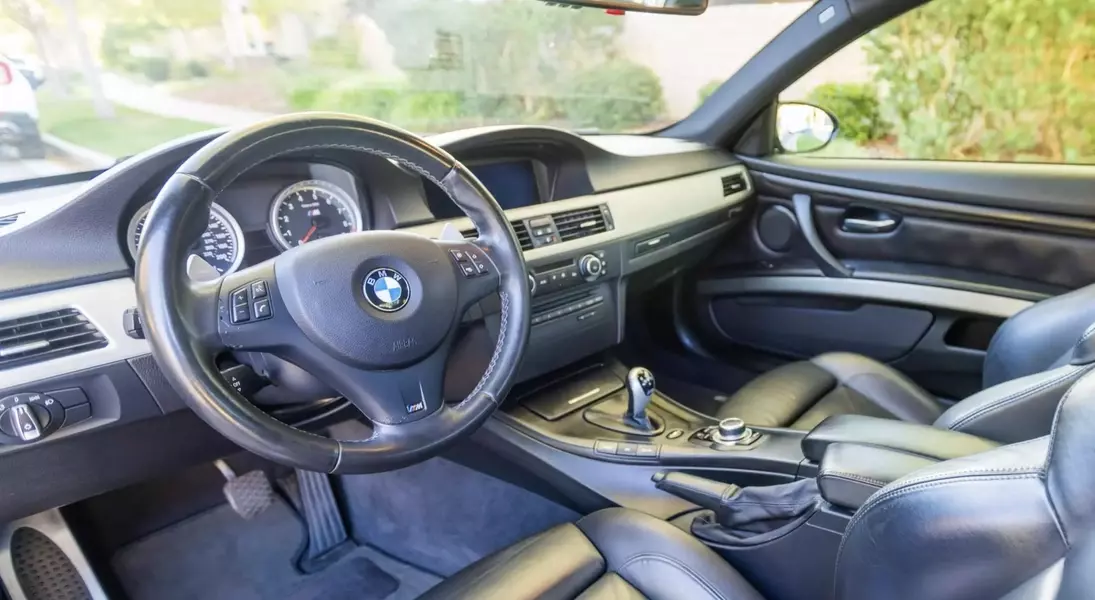
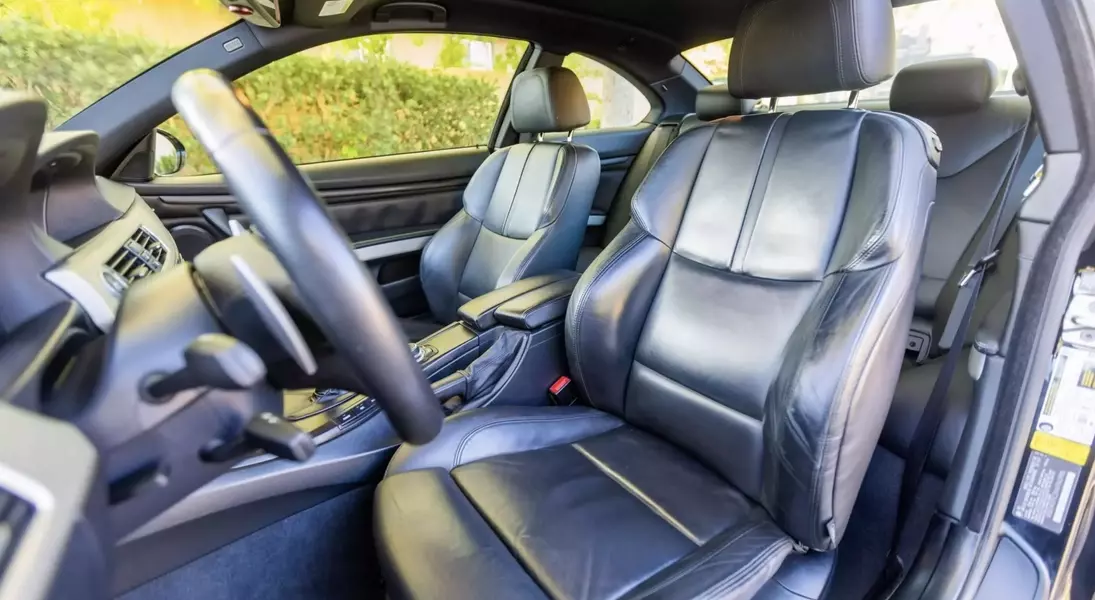
BMW's E90 series M3, known for its distinctive 4.0-liter V8 engine, is becoming remarkably accessible in the used car market. Enthusiasts are now finding these high-performance machines, once symbols of luxury and speed, listed for sale at prices comparable to new entry-level vehicles. However, prospective owners are strongly advised to consider the substantial upkeep expenses that accompany this powerful, older model, as these costs can rapidly eclipse the initial bargain price.
A Deep Dive into the E90 M3's Market and Maintenance Landscape
In the mid-2000s, BMW introduced a significant departure from its M3 lineage with the E90 (sedan), E92 (coupe), and E93 (convertible) variants. These models were equipped with the S65, a high-revving 4.0-liter V8 engine, a notable shift from the inline six-cylinder engines that traditionally powered the M3. This innovative V8 not only redefined the M3's driving dynamics but also elevated its straight-line acceleration to thrilling levels. This generation also marked the final appearance of the M3 badge on a convertible or coupe before the introduction of the M4, and it was the last M3 to feature a naturally aspirated engine. These unique attributes contribute to its special status among automotive aficionados.
Remarkably, the market value of these distinguished E90/E92/E93 models has seen a considerable decline. Recent sales data from platforms like Cars & Bids indicate that some units have been acquired for less than $20,000, with one 2010 M3 Convertible fetching a mere $12,720, albeit with previously sustained damage. Many other examples have sold for similar figures, often with some imperfections. A well-maintained 2010 coupe recently sold for $22,027, closely aligning with Kelley Blue Book's fair purchase price. This might seem like an incredible deal for such a potent and luxurious automobile. However, the initial purchase price is merely the tip of the iceberg when it comes to owning an older BMW performance car.
A critical and recurring maintenance concern for this generation of M3s is the potential failure of rod bearings. This issue is also prevalent in the related S85 V10 engine found in contemporary BMW M5 and M6 models. Repairing or proactively replacing these components can be a costly endeavor, with some estimates reaching up to $4,500. Experts recommend performing this preventative maintenance approximately every 70,000 miles. Many E90 M3s available at lower price points have already undergone this crucial service. Nevertheless, it's an expense that every prospective owner should factor into their budget.
Beyond major component replacements, the cumulative costs of routine maintenance can also escalate rapidly. An owner of a 2011 M3 with over 100,000 miles recently disclosed a service bill nearing $12,000, encompassing both standard procedures like brake pad replacements and less common repairs. These significant upkeep expenses are typical for high-mileage V8-powered M3s and can, over time, exceed the vehicle's original acquisition cost.
The 4.0-liter V8 engine in the E90 M3 delivers an impressive 414 horsepower and 295 lb-ft of torque. This powertrain enabled the M3 to accelerate from 0 to 60 mph in approximately 4.5 seconds, aided by an exhilarating 8,400 rpm redline. Buyers had the option of a six-speed manual transmission or a more advanced seven-speed dual-clutch automatic, available across all body styles. The dual-clutch transmission was a notable improvement over the earlier E46 M3's sequential manual gearbox.
Historically, M3s were exclusively rear-wheel drive, offering no all-wheel-drive alternative. Managing the immense power delivered through only two wheels could be challenging, but it was an integral part of the E90's engaging driving experience. Its more compact dimensions compared to today's M4 further enhanced its dynamic appeal.
The E90 series M3 remains the sole V8-powered M3 ever produced by BMW, and it is highly likely to retain this unique distinction, excluding the extremely limited E46 M3 GTR road version. While these vehicles hold a cherished position among enthusiasts, their acquisition affordability comes with the caveat of potentially high operating costs. Therefore, anyone considering purchasing one should be prepared for the financial commitment involved in maintaining this iconic piece of automotive history.
The E90 BMW M3 stands as a testament to a unique era of automotive engineering, offering exhilarating performance rooted in its high-revving V8 engine. While its current market accessibility makes it an enticing prospect for many, the narrative of this vehicle is a potent reminder that passion for performance must be tempered with pragmatic considerations for upkeep. This model exemplifies the adage that true ownership extends far beyond the initial purchase, particularly when it comes to maintaining a classic that demands respect for its intricate engineering and a readiness for its specific service needs. It serves as a compelling case study for enthusiasts to meticulously balance desire with responsibility.
