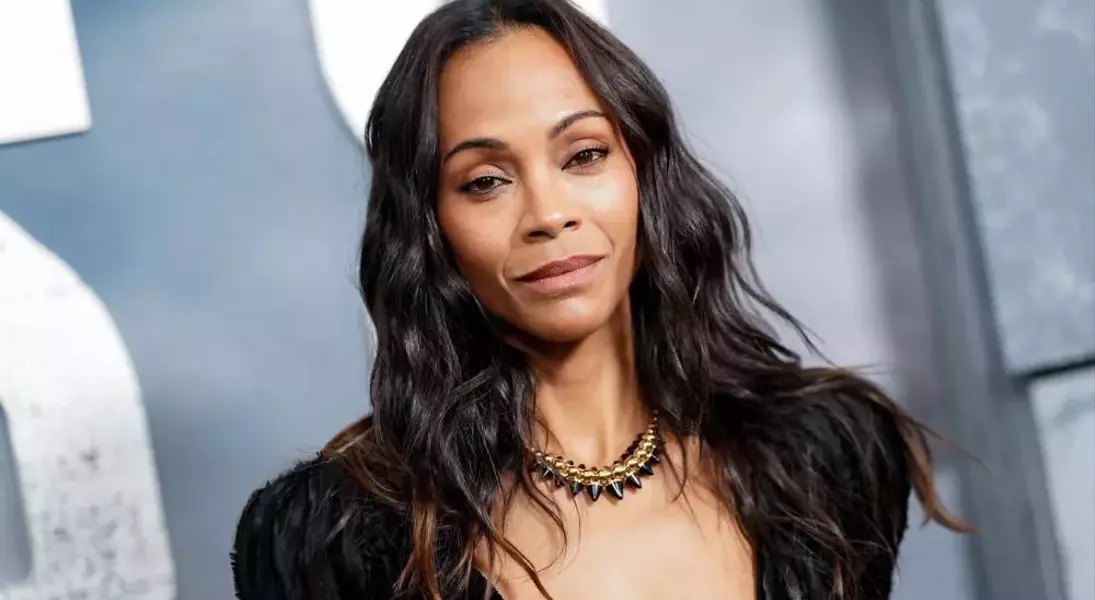
Zoe Saldaña, the acclaimed actress, has openly shared her growing dissatisfaction with the disproportionate focus of political questions in media interviews, particularly when directed at performers from diverse backgrounds. Speaking at the Locarno Film Festival, Saldaña articulated her dismay, noting that conversations often veer away from her artistic contributions to broader societal issues, a trend she finds restrictive.
She specifically pointed out the recurring scenario where, as a woman of color, she frequently finds herself to be the sole individual from an underrepresented group on a panel, only to be asked about political matters instead of her artistic work. Saldaña provided an example, citing questions like, "What steps should we take to enhance inclusivity in cinema?" Her critique extends to the belief that such profound political questions should be directed towards the industry's decision-makers, rather than placing the burden on those who already navigate systemic challenges, stating that it forces people of color to exert double the effort to simply be heard.
While refraining from singling out specific instances, Saldaña’s remarks resonate with a past experience where she was questioned about the potential offense caused by her film "Emilia Perez" to Mexican audiences, shortly after securing an Oscar. She conveyed regret if offense was taken, clarifying that the movie's core message revolved around female solidarity and resilience against oppression, themes she asserts are universally relevant, transcending specific ethnic or geographical boundaries. Saldaña, who currently features in the third season of "Lioness" and was honored at the Locarno Film Festival, maintains an open invitation for constructive dialogue on how narratives might be improved.
The actress's comments underscore a critical need for balanced and thoughtful engagement in media discussions. By challenging the patterns of questioning, she advocates for a more equitable platform where all artists, regardless of their background, can discuss their craft and contribute to broader conversations without being unfairly tasked with representing an entire demographic's political viewpoint. Her stance promotes a future where industry dialogues are truly inclusive, reflective of diverse perspectives, and focused on empowering every voice.
