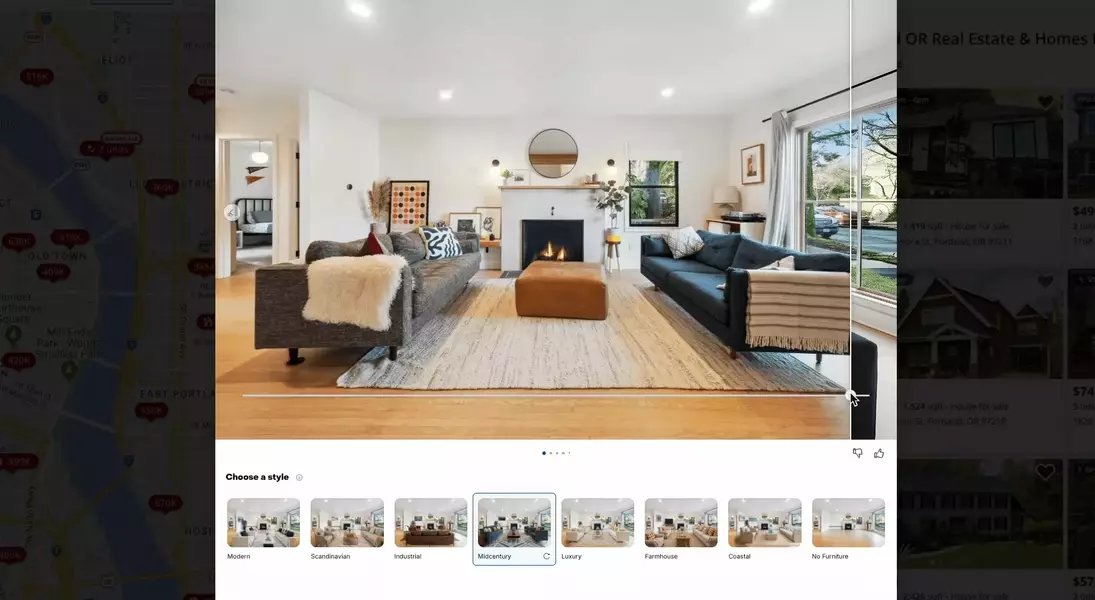
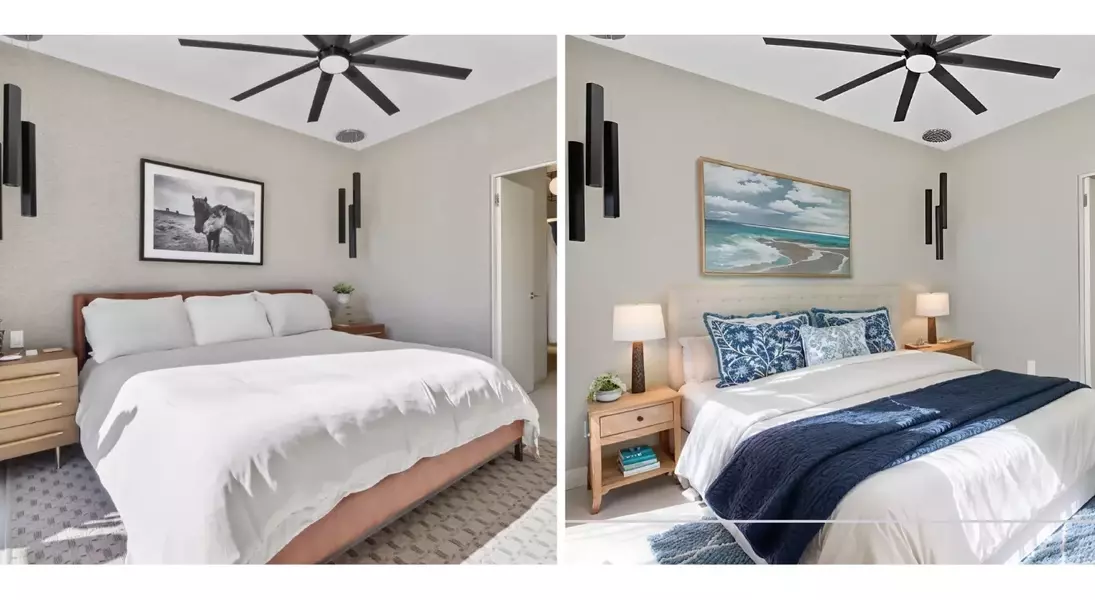
Zillow has recently introduced an artificial intelligence-driven feature named Virtual Staging, aiming to assist prospective homebuyers in envisioning themselves within a property. This new tool is designed to either clear rooms of existing furnishings or subtly alter the decor and furniture arrangements. The underlying intention is to help overcome the hurdle posed by current owners' potentially unappealing design choices or outdated furniture, thereby allowing buyers to better connect with a space.
Disappointing Debut: Zillow's AI Virtual Staging Offers Minimal Impact
Unveiled on September 10, 2025, the Virtual Staging tool from Zillow, though conceptually promising, has been met with underwhelming reception due to its limited functionality in its initial rollout. The changes it implements, such as slight adjustments to furniture placement or minor color alterations to rugs, are often so discreet that they are barely noticeable without explicit visual cues like 'AI sparkles' or direct comparison sliders between different styles (e.g., modern, Scandinavian, luxury, and farmhouse). This contrasts sharply with the genuine need identified by Zillow's home trends expert, Amanda Pendleton, who noted that many buyers dismiss ideal homes simply because they struggle to look past existing decor. Currently, the feature is exclusively available for premium \"Showcase\" listings and is limited to select featured room photos, predominantly on properties with plain white walls.
This endeavor by Zillow highlights both the promise and the current limitations of AI in practical applications like real estate. While the vision of effortlessly transforming a digital space to appeal to diverse tastes is compelling, the execution, in this instance, demonstrates that technology still has considerable ground to cover to truly revolutionize industries. The subtlety of the current iteration raises questions about its immediate value proposition for users, suggesting a cautious, perhaps overly conservative, approach to a potentially impactful technology. It serves as a reminder that the integration of AI into user-facing products requires not just innovation, but also a robust and noticeable improvement over traditional methods to gain widespread adoption and appreciation.
