
Zach Cregger, renowned for his horror works 'Barbarian' and 'Weapons', delves into his unique interpretation of the 'Resident Evil' universe for his upcoming film. Eschewing the conventional hero-centric narratives often seen in game adaptations, Cregger's vision places an everyman at the heart of the horrifying events, aiming to replicate the intense, player-driven fear characteristic of the games.
Experience the Panic: 'Resident Evil' Through a New Cinematic Lens
A Fresh Perspective on Survival Horror: Embracing the Player's Journey
Zach Cregger possesses a profound understanding of the 'Resident Evil' games, grasping not only their intricate storylines but also the palpable sensations of dread and frenetic panic they evoke. This deep familiarity with the franchise’s core mechanics – the dwindling ammunition, the creeping tension, the chaotic struggle against unforeseen threats – has shaped his unconventional approach to cinematic adaptation. Rather than centering on familiar protagonists like Claire Redfield or Ada Wong, Cregger’s film thrusts the audience into the shoes of an ordinary individual, mirroring the immersive and often terrifying experience of a player navigating the game world. He expresses a preference for depicting the struggles of a relatable, unprepared character, envisioning a narrative where an average person is relentlessly pursued through a perilous gauntlet.
Crafting a New Narrative: Bryan's Unlikely Descent into Raccoon City
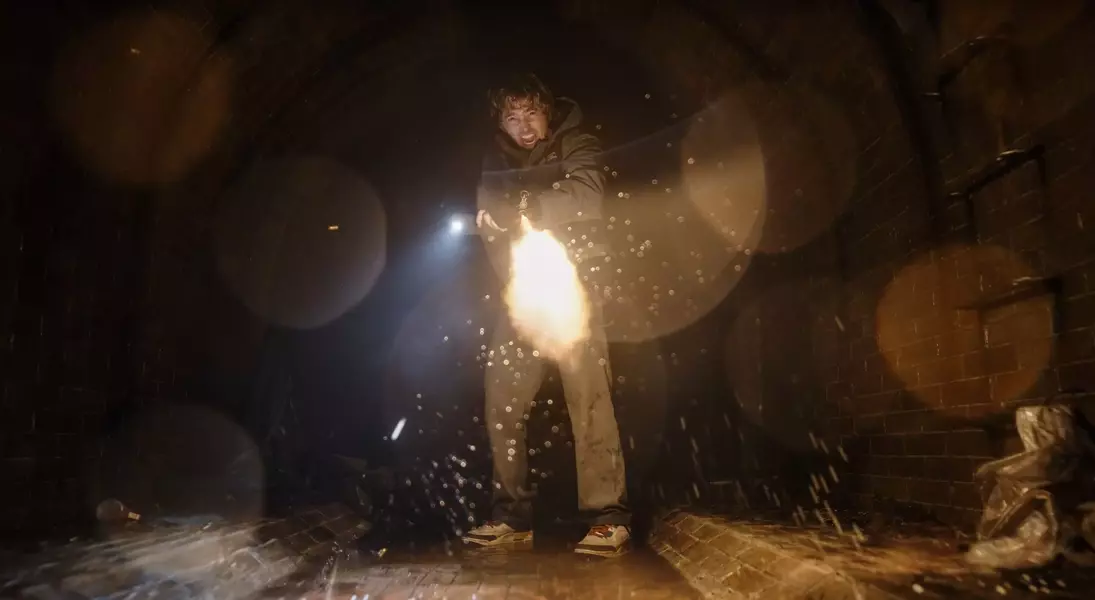
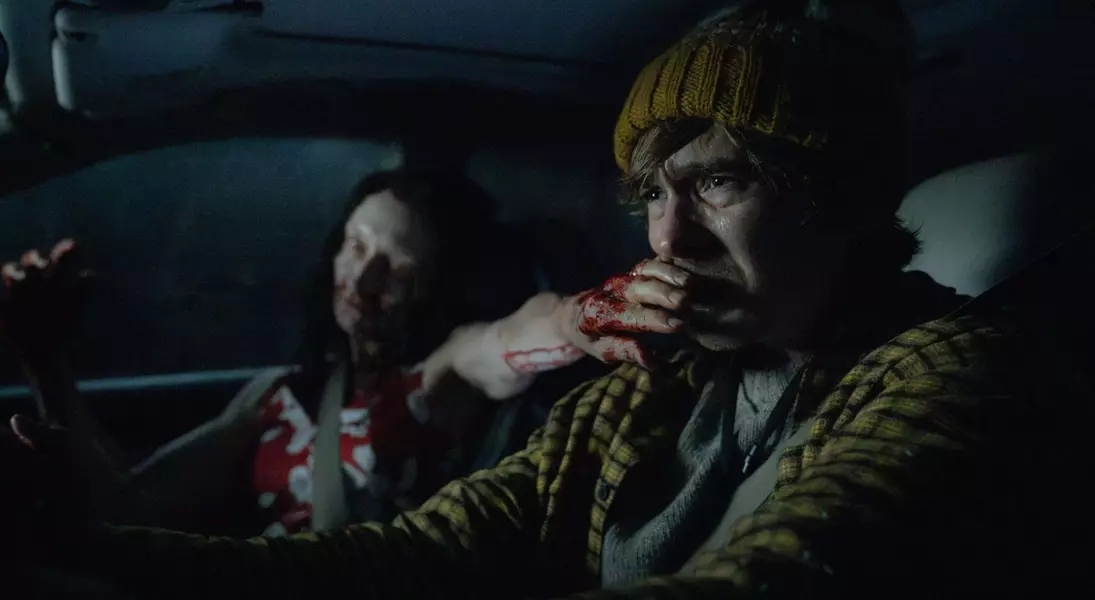
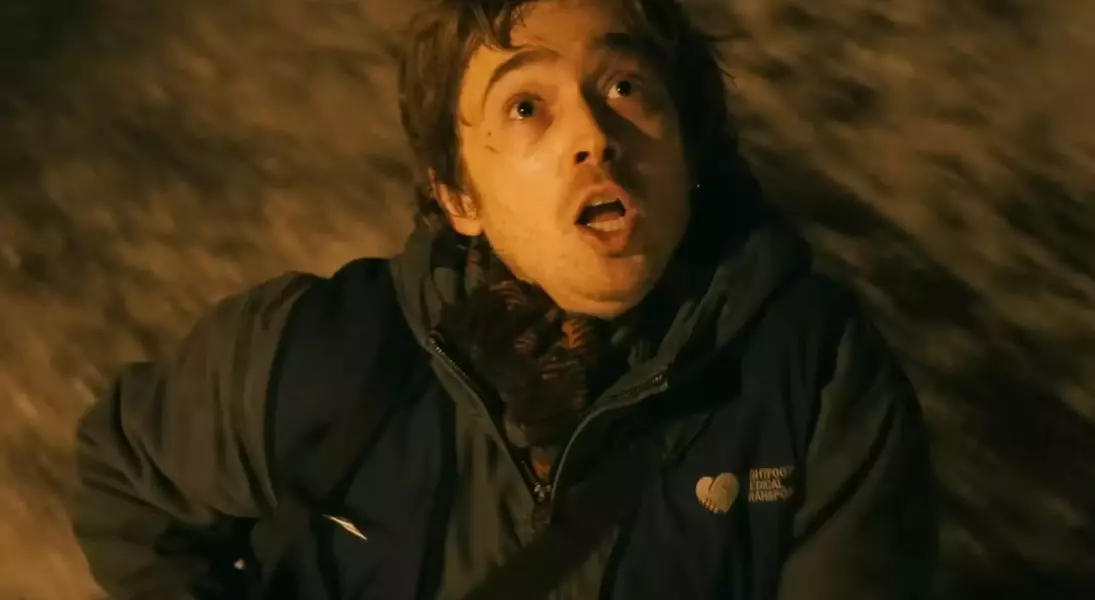
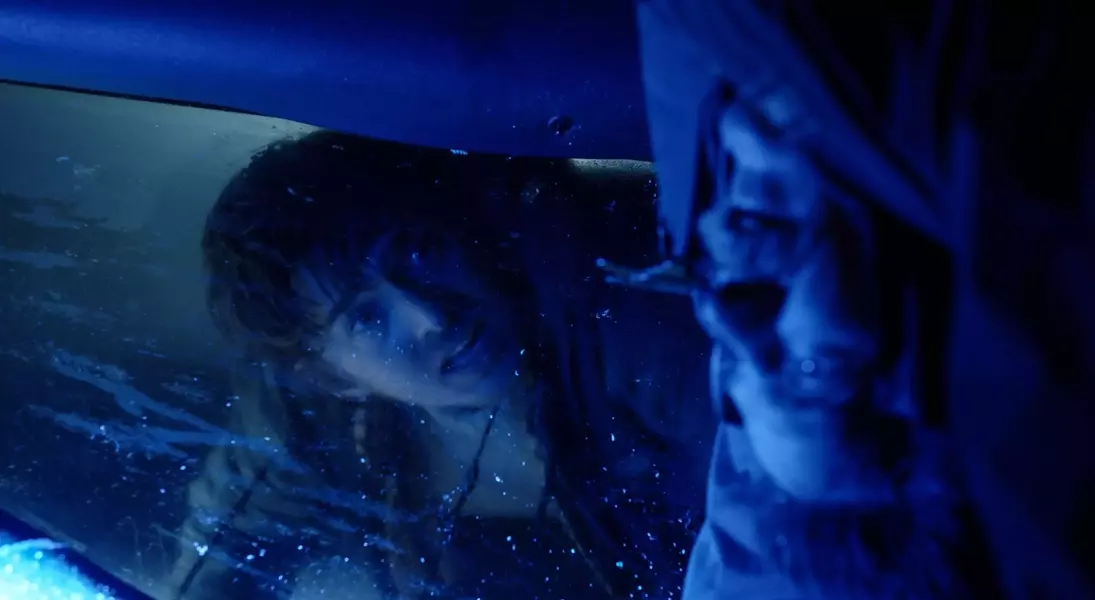
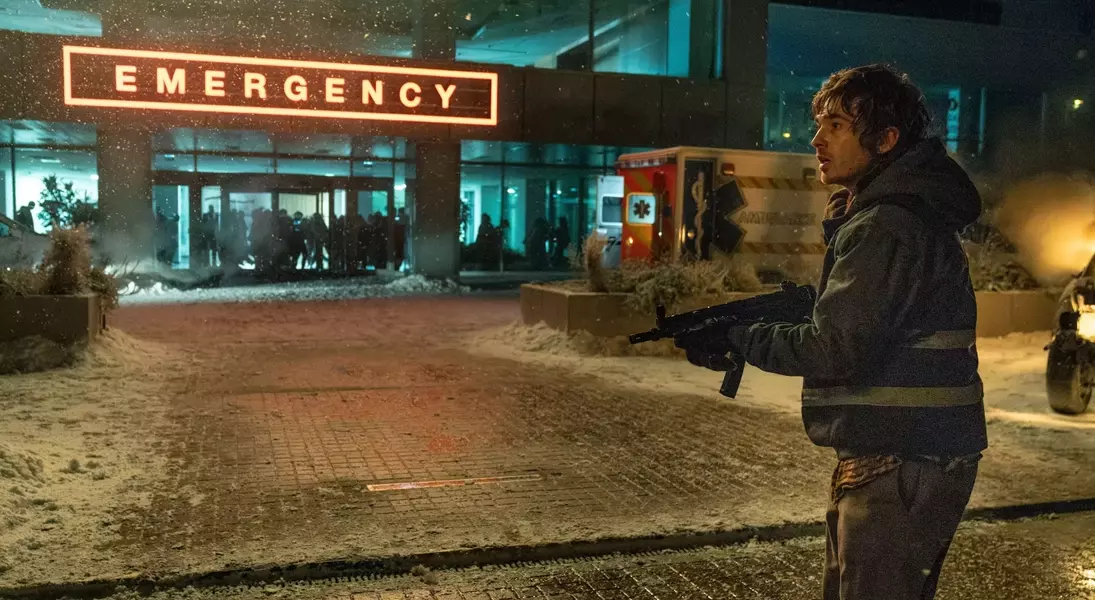
The film, set for release in September, stars Austin Abrams as Bryan, a medical courier whose mission to deliver an organ transplant leads him into the heart of Raccoon City. His arrival tragically coincides with the catastrophic events depicted in 'Resident Evil 2'. Bryan, far from a seasoned operative like Leon Kennedy, embodies the vulnerability of a novice. His journey is marked by stumbles, panicked shouts, and fumbling attempts to arm himself, providing a starkly realistic portrayal of someone utterly overwhelmed by the unfolding nightmare. This portrayal mirrors the instinctive, often clumsy reactions players might have when confronted by snarling zombies, vividly capturing the raw, unscripted terror of such encounters.
Authenticity and Artistic Integrity: Cregger's Commitment to 'Resident Evil'
From the press engagements for 'Weapons' to his appearance at San Diego Comic-Con, Cregger has consistently affirmed his genuine connection to the 'Resident Evil' saga. Despite repeated inquiries questioning his 'gamer credibility' and the authenticity of his film as a true 'Resident Evil' adaptation, Cregger maintains a steadfast response: his choice to undertake this project stems from a genuine desire to create a 'Resident Evil' film. The genesis of this project arose during the production of 'Barbarian', when producer Roy Lee inquired about video game franchises Cregger might wish to adapt. Without hesitation, Cregger identified 'Resident Evil' as his sole choice, prompting Lee to encourage him to begin writing immediately.
Unrestrained Creativity: Writing Without Limits for the Ultimate Vision
Cregger describes the writing process for this film as unprecedentedly rapid, largely fueled by an initial assumption that he would never actually direct it. This liberation from directorial pressure allowed him to write with unparalleled freedom, unburdened by concerns about production constraints or studio demands. He felt empowered to unleash his creativity, focusing solely on crafting the 'Resident Evil' film he had always dreamed of seeing. This uninhibited approach allowed him to explore every imaginative possibility, resulting in a script that truly embodies his personal vision for the franchise.
Capturing the Essence of the Game: Pacing, Scarcity, and Immersive Terror
In its initial sequences, Cregger's rendition of 'Resident Evil' masterfully captures the inherent rhythm of playing the video games. The narrative unfolds with a meticulous progression: entering silent, ominous spaces, the abrupt realization of impending attack, the slow acquisition of weaponry, and the ever-present scarcity of vital resources. Encounters with threats, such as a zombie dog, are designed to induce immediate and profound despair, echoing the game's infamous difficulty. Cregger deliberately embraces the games' characteristic slow pacing, compelling characters into environments from which retreat is impossible, a thematic choice he describes as "spiritually right" despite potential timeline discrepancies. This focused approach ensures the film functions as a compelling side-story within the broader Raccoon City calamity.
A Unique Blend of Horror and Humor: Cregger's Signature Style
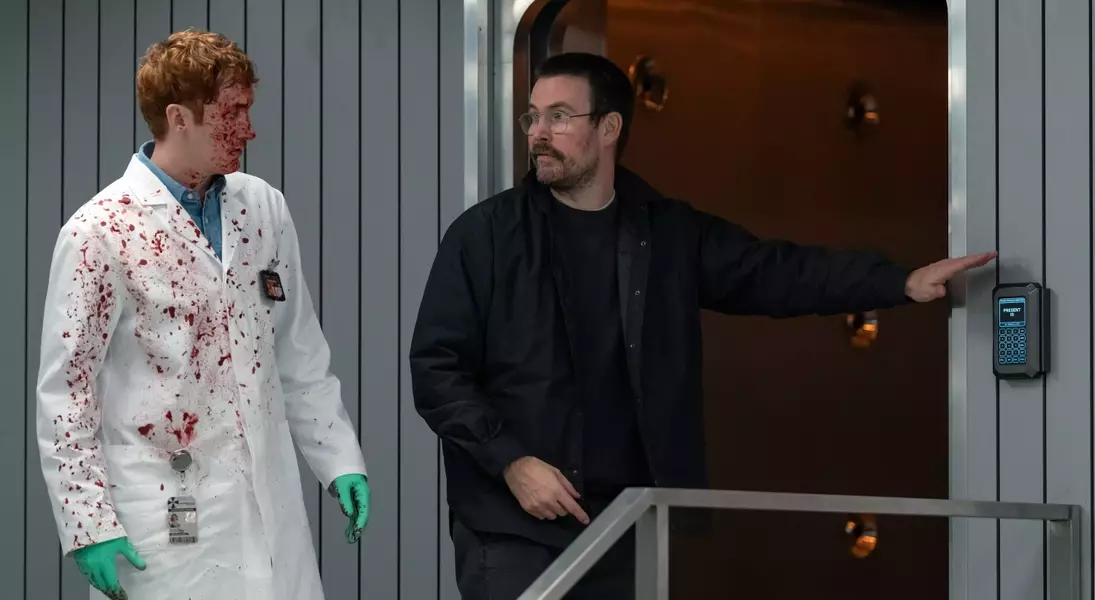
By the film's fifteen-minute mark, with the title card making its appearance, Cregger's distinctive directorial style becomes unmistakably clear. The movie diverges significantly from the somber, intricate horror of 'Weapons', instead presenting a visceral, fast-paced, and darkly humorous experience that is both genuinely frightening and sharply focused. Initially likened to 'Mad Max: Fury Road' for horror, the film ultimately finds its niche alongside "one-crazy-night" thrillers such as 'After Hours' and 'Uncut Gems', albeit with a significantly higher body count. Cregger, a former member of the comedy group 'Whitest Kids U’Know', acknowledges his natural inclination towards comedy. While he consciously trimmed many overt jokes from 'Resident Evil', he explains that the humor arises from the inherent absurdity of the situations, a quality he feels is justified by the franchise's history of camp.
Cinematic Craftsmanship: Visual Storytelling in 'Resident Evil'
The shared trait between 'Resident Evil' and 'Weapons' is Cregger's exceptional talent for creating terrifying visuals. Esteemed cinematographer Dariusz Wolski, whose extensive career spans from 'The Crow' to Ridley Scott's grand epics, may not be a devoted 'Resident Evil' gamer. Yet, Cregger's objective was not a literal recreation of the games, but rather to ensure Wolski grasped the fundamental elements that render the game environments menacing. The film achieves a sophisticated aesthetic without becoming overly polished, with Wolski skillfully utilizing natural light sources. Early scenes, featuring stark silhouettes against snowy backdrops punctuated by blood, elevate 'Resident Evil' to an almost surreal, painterly quality. Cregger praises Wolski's innate ability to embrace darkness, allowing shadows to create their own profound impact.
Immersive Perspective: The Hyper-Subjective Camera
Cregger intentionally employed short lenses and specific camera angles to enhance the film's connection to video game aesthetics. The narrative unfolds predominantly from a third-person perspective, maintaining a close link to Bryan's point of view and his focus. The camera consistently mirrors Bryan's gaze, following his line of sight. While a sudden gunshot might briefly shift the perspective to first-person, Cregger promptly reverts to Bryan’s gasping reactions, grounding the audience in his experience. He emphasizes that the film's core mission is to keep the camera perpetually tied to Bryan’s attention, resulting in a profoundly hyper-subjective cinematic journey.
Beyond the Game: The Thrill of Curated Experience
The film's synergy of expert filmmaking and 'Resident Evil's visual heritage underscores Cregger's primary motivation for engaging with an adaptation. He recognizes that while the games themselves are irreplaceable, there's a unique allure in removing the player's burden of survival. Cregger articulates that a meticulously crafted film offers a curated rhythm and performance that games often cannot. He likens the transition from intense gaming to watching a film to "sliding into a bath," appreciating the comfort of relinquishing control to a storyteller. This allows for a thrilling experience where every moment is expertly managed, delivering an unparalleled level of suspense and engagement.
Looking Ahead: Unfinished Business in the 'Resident Evil' Universe
Cregger approached this 'Resident Evil' project as a singular, comprehensive endeavor, indulging every creative fantasy he harbored for the series. Although the film is now complete, he humorously admits that his mind, in its customary fashion, has already begun to conjure ideas for potential future installments. He acknowledges his inability to resist this creative impulse, confirming that he already has concepts for what might come next. However, with his subsequent film project already in motion and not being another 'Resident Evil' title, Cregger remains open to future possibilities. He suggests that after completing his current commitments, anything could happen, hinting at a potential return to the 'Resident Evil' universe.
