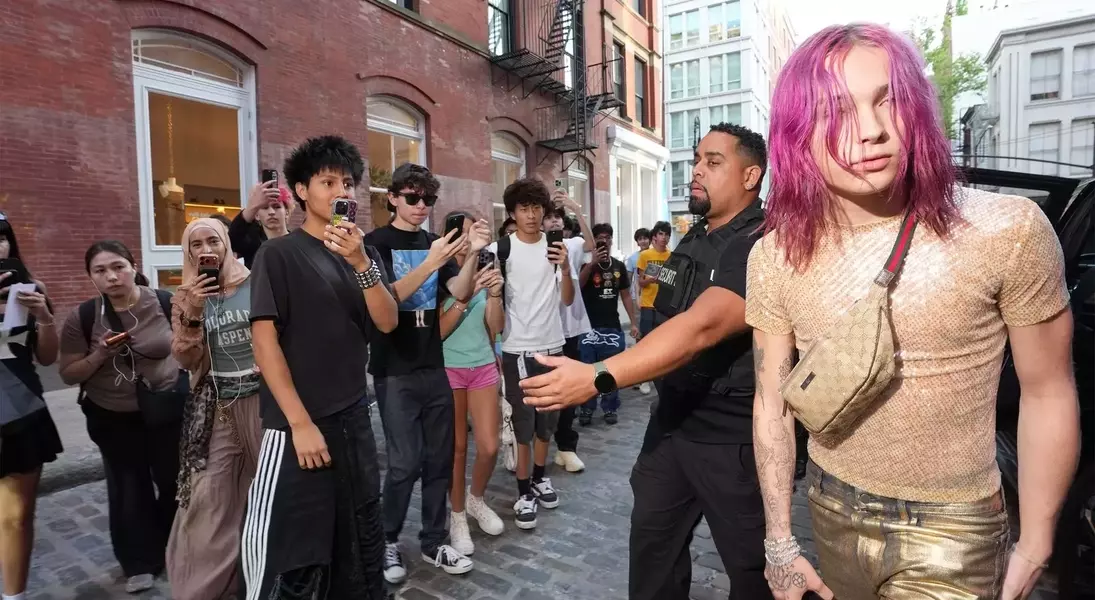
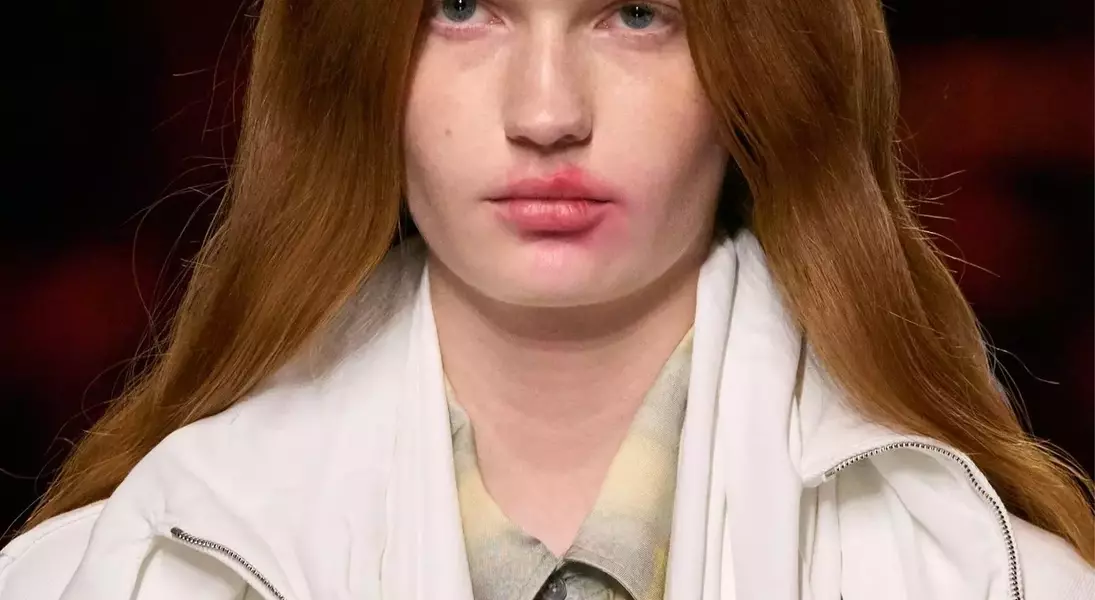
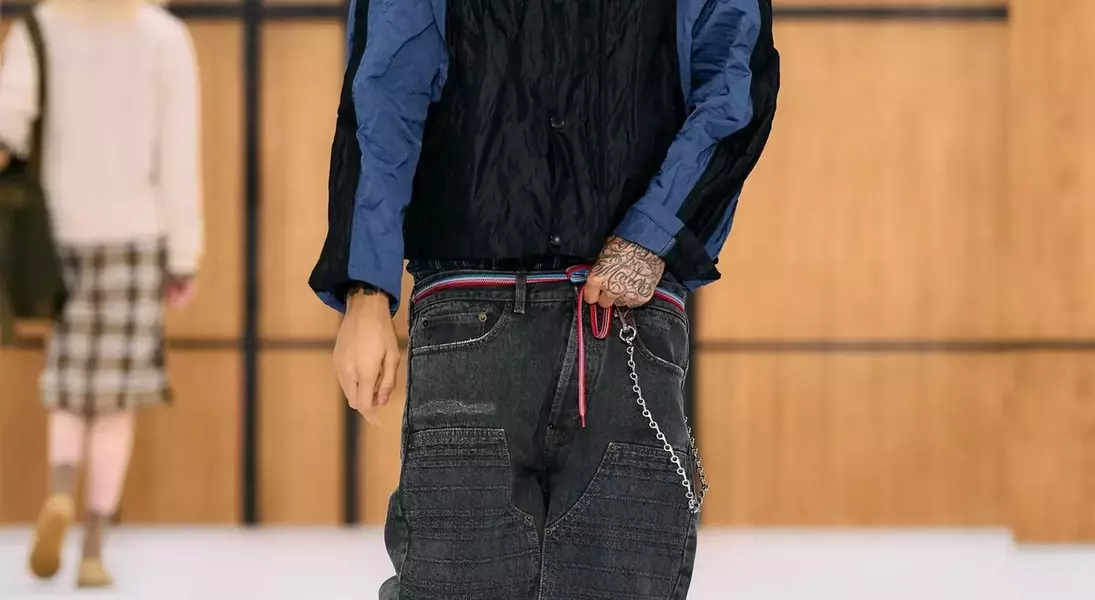
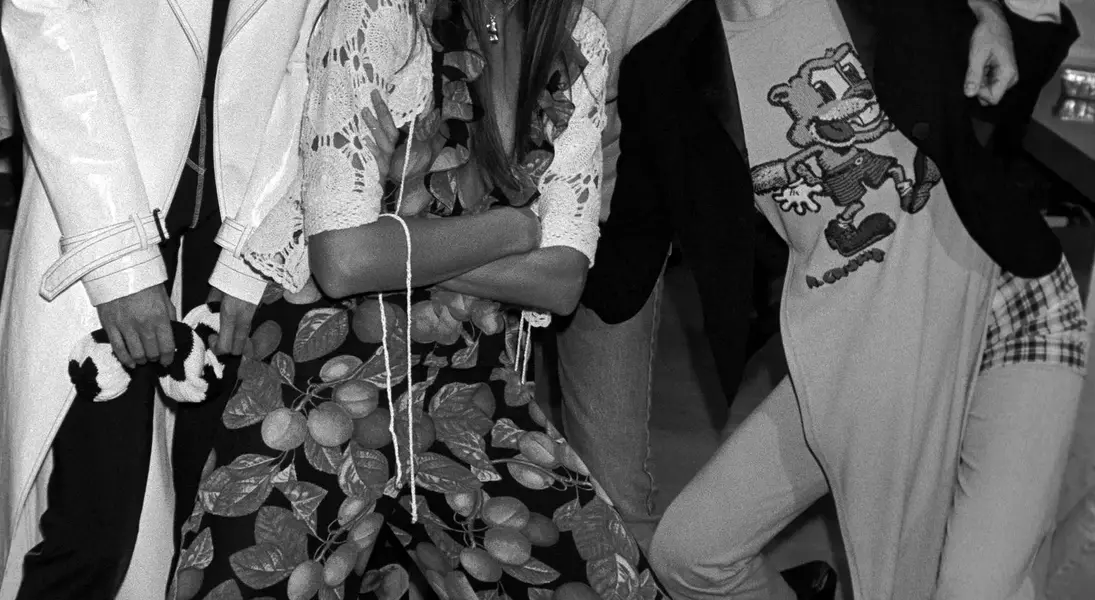
In recent times, the fashion world has exhibited a discernible inclination towards an unpolished aesthetic, echoing the chaotic and irreverent spirit frequently observed in youth culture. This trend is evident in recent collections from prominent houses such as Prada, with its understated bras and neon accents, and Diesel, which showcased shredded garments and staged reenactments of casual encounters. Even Burberry adopted a worn-in texture for its materials, featuring models like Central Cee in relaxed, low-slung jeans. This marks a departure from the conventional pursuit of pristine luxury.
This embrace of imperfection and youth subcultures presents a challenge when juxtaposed with the escalating prices of luxury goods and the reduced spending power of Gen Z consumers. A study highlighted that many young individuals view exorbitant luxury purchases as distasteful, finding more value in unique vintage discoveries than in costly new items. This disparity between the high price point and the 'Gen Z chaos' aesthetic was noted in critiques of collections like Marni's, underscoring a potential disconnect between luxury brands and their target demographic.
The shift in consumer preferences is substantial; the once-dominant 'quiet luxury' trend has waned, persisting only among brands that have always embodied timeless elegance. The current emphasis on accessible, edgy runway styles achievable through clever styling, high-quality replicas, or second-hand acquisitions appears to be a calculated risk for brands seeking a return on their investments. This strategy positions fashion houses as 'inversely aspirational,' drawing inspiration from youth tribes to repackage and sell back to them. The intrinsic value proposition for consumers has become less explicit. For instance, Prada's Fall/Winter 2026 women's line, characterized by worn elements, seemed to resonate more with a thrift-store aesthetic than with an elite, jet-setting clientele. Similarly, Demna's direction at Gucci, heavily influenced by Gen Z figures and featuring a deliberately 'fake' aesthetic, aligns with internet irony rather than conventional markers of luxury quality.
Brands are now faced with the intricate task of navigating a market where luxury's growth is expected to be gradual. Despite a lack of brand loyalty, Gen Z is projected to wield significant spending power globally by 2030, eventually leading affluent spending growth. According to WGSN, Gen Z is anticipated to account for a substantial portion of luxury purchases in the US by the same year. Connecting with influential figures they admire can foster aspiration and brand affinity, even if immediate sales aren't realized. This long-term relationship building is crucial.
The integration of youth culture into fashion is not a novel concept; subcultural elements have long inspired designers. However, contemporary engagement with youth culture demands a more organic and deeply integrated approach than past superficial references. Today's young consumers interact with fashion differently, blending high-end pieces with vintage finds and unconventional styling choices. This 'anti-algorithm' approach values authenticity over perfection. Brands must transcend mere thematic nods to subcultures, embedding these influences within their broader narratives to maintain cultural relevance. This relevance is vital for luxury brands to command high prices and sustain their aspirational appeal.
Investing in youth culture, its aesthetics, and codes can yield significant returns for brands. This strategy, if executed skillfully, could even surpass the impact of 'quiet luxury.' Generating cultural momentum in today's fast-paced environment requires tension, often derived from engaging with the provocative and contradictory elements of youth subcultures. Research indicates that Gen Z consumers seek aspirational, artistic, fun, innovative, and bold qualities in luxury brands, contrasting with older generations who prioritize timelessness and sophistication. Younger consumers view luxury as a vehicle for self-expression, highlighting the need for brands to evolve their engagement strategies. The challenge lies in staying attuned to the rapidly changing expressions of these qualities online. Brands that successfully build trust with young consumers through authentic collaborations and accessible entry-level products, rather than merely inviting them to shows, will cultivate enduring emotional connections and secure their future market position.
