
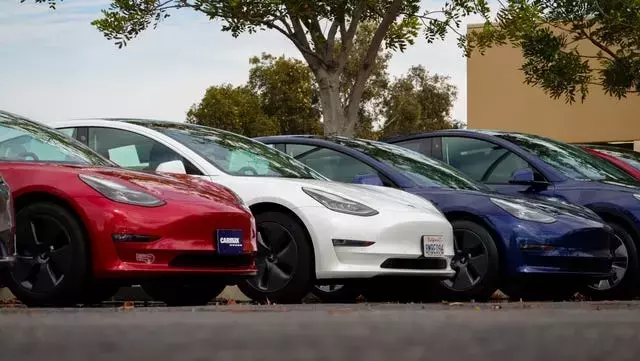
The market for pre-owned electric vehicles is continually expanding, offering an attractive entry point into sustainable driving. Acquiring a used EV can be a strategic choice for those curious about electric mobility, providing a cost-effective way to experience its benefits, or for seasoned EV enthusiasts seeking a great value. This comprehensive guide will navigate the crucial aspects of buying a pre-owned electric vehicle, highlighting why a used model can be a particularly appealing option, especially given the rapid evolution of EV technology.
Several compelling factors make a used electric car an astute investment. Firstly, similar to traditional gasoline-powered vehicles, pre-owned EVs benefit significantly from depreciation, making them more affordable than their brand-new counterparts. Additionally, many electric vehicles are initially leased, often with lower annual mileage limits. This results in a higher availability of lightly used, three-year-old models with remarkably low odometer readings, sometimes under 30,000 or even 15,000 miles, ensuring you acquire a vehicle that has been well-preserved. Furthermore, due to their typically shorter range compared to combustion engines, EVs are less likely to have been subjected to extensive road trips or prolonged daily commutes, contributing to their generally better condition. For buyers, this translates into potential savings on maintenance, as EVs eliminate the need for routine oil changes, and charging during off-peak hours can lead to reduced electricity costs.
When purchasing a used EV, a primary concern is evaluating the battery's condition. The battery's capacity can degrade over time due to charging cycles, speed, and frequency. To gauge its health, a basic check involves fully charging the vehicle and observing its estimated range; a reading within 10-20% of the original EPA rating suggests good battery life. For a more definitive assessment, professional diagnostic testing can pinpoint any underlying issues. Moreover, most automakers provide extensive warranty coverage for EV batteries, typically for eight years or 100,000 miles, offering peace of mind. Understanding depreciation is also key, as EVs often depreciate faster than conventional vehicles, partly due to government incentives for new purchases and the rapid technological advancements in the EV market. Buyers should also explore certified pre-owned (CPO) programs for extended warranty benefits or consider private sales, which can offer insights into the vehicle's history directly from the previous owner. Lastly, inquire about available federal and state incentives for used EVs, as these can further reduce the acquisition cost, and always compare insurance quotes, as EV premiums can be higher due to specialized repair costs.
Embracing a used electric vehicle represents a step towards a more sustainable and economically sensible future. With careful research and consideration of battery health, depreciation, available incentives, and insurance implications, prospective owners can make an informed choice that aligns with both their financial goals and environmental values, ushering them into the exciting electric era of motoring.
