Yoshitaka Amano, an artist celebrated for his dreamlike and fantastical creations, delves into his perspectives on artificial intelligence's place in artistic endeavors and his steadfast dedication to the craft of hand-drawn animation. This discussion centers around his latest venture, 'ZAN,' a project that underscores the profound significance of human ingenuity in the initial stages of creation and embraces imperfections as a testament to our shared humanity.
Embracing the Human Touch: A Vision for Animation's Future
The Irreplaceable Spark of Human Creativity in the Digital Age
Yoshitaka Amano, an artist whose work seamlessly blends elements of fantasy and nightmare, elegance and brutality, memory and myth, firmly believes that artificial intelligence cannot replicate true originality. During an interview, Amano articulated his view of AI as merely a tool, not a creative rival, stating that the capacity for genuine, groundbreaking ideas remains an exclusively human trait. He suggested that it might take centuries for AI to even approach such a feat. This conviction highlights his belief in the enduring value of human innovation, especially in an era where automated processes are rapidly transforming creative fields.
'ZAN': A Creative Odyssey Rooted in Unfettered Expression
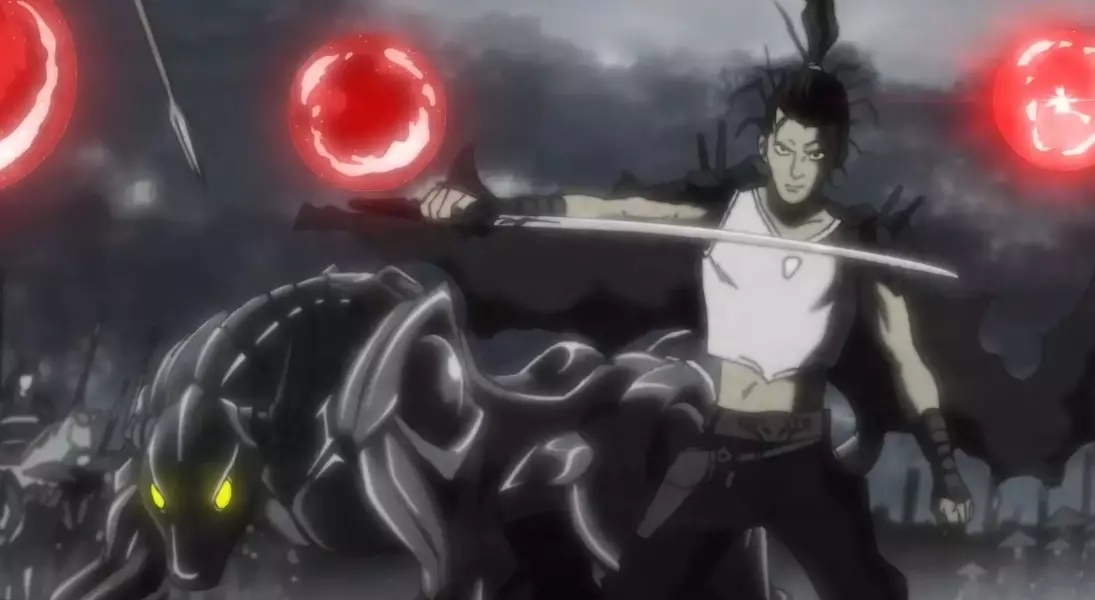
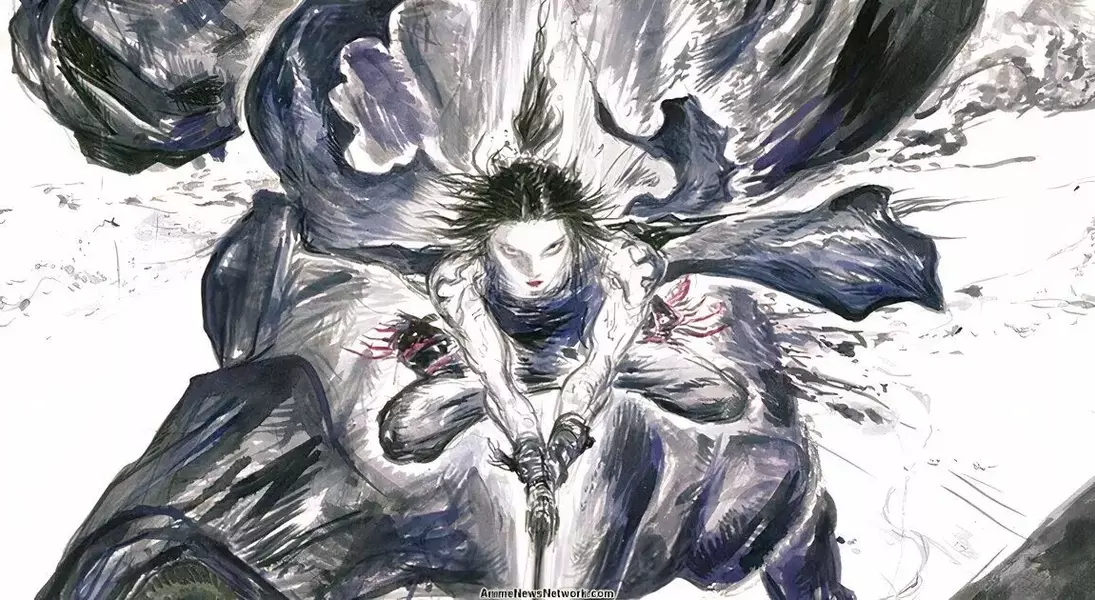
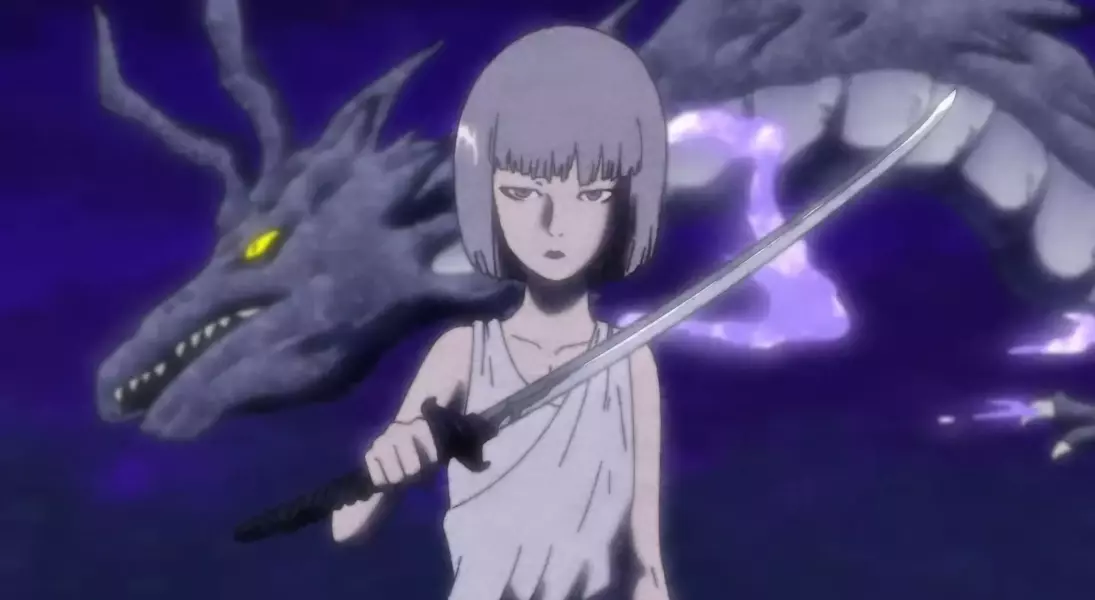
This core philosophy is vividly manifested in Amano's new animated series, 'ZAN.' Drawing from an illustrated novel he created in 2013, Amano describes 'ZAN' as a truly original undertaking, granting him unparalleled artistic liberty. Unlike his previous collaborations on projects such as Final Fantasy or Vampire Hunter D, 'ZAN' allows him complete creative control. This freedom is crucial for Amano, enabling him to translate his vision into animation without external constraints.
Celebrating Imperfections: The Essence of Hand-Drawn Artistry
Amano's commitment to hand-drawn animation stems from his profound appreciation for imperfections. He views these seemingly 'flaws' not as deficiencies to be eradicated by technology, but as fundamental expressions of human nature itself. For Amano, these unique characteristics are what give hand-drawn art its distinctive soul and authenticity. His choice to pursue hand-drawn techniques for 'ZAN,' despite the prevalent adoption of more cost-effective and faster digital workflows, speaks volumes about his dedication to preserving this human element in art.
A Fresh Perspective: Hand-Drawn Animation's Appeal to New Generations
Surprisingly, Amano sees hand-drawn animation not as a nostalgic relic, but as a novel experience for younger audiences. He suggests that for many, this traditional style can feel refreshingly new, challenging the notion that its appeal is solely rooted in nostalgia. This perspective redefines the conversation around hand-drawn animation, positioning it as a continuous discovery rather than a mere callback to the past. This insight is particularly timely, given the recent resurgence of hand-drawn anime projects.
The Meticulous Journey of Crafting 'ZAN'
The creation of 'ZAN' is a testament to the meticulous and time-intensive nature of hand-drawn animation. While some backgrounds may incorporate digital elements, the project as a whole will be predominantly hand-drawn, a process expected to take two to three years. Hiroaki Ikegami, CEO of Yoshitaka Amano Inc., clarified that 'ZAN' will be a limited miniseries, not a feature film, a timeline consistent with the complexities of traditional animation. Historical examples like Akira and Redline further illustrate the significant investment of time required for such artistic endeavors.
Adaptation as Transformation: Amano's Vision for Narrative Evolution
Amano offers a nuanced perspective on adaptations, asserting that each transformation into a new medium fundamentally alters the original work. He believes that while a story may begin in one format, its transition to another necessitates a change in its inherent nature to align with the new medium's characteristics. For Amano, adaptation is not about replication but about a profound metamorphosis, a principle that resonates deeply with the artistic choices made for 'ZAN.'
From 'Deva Zan' to 'ZAN': A Strategic Evolution in Branding and Concept
The evolution of the project's title from 'Deva Zan' to simply 'ZAN' reflects Amano's pragmatic and direct approach. This shorter, more impactful name was chosen for its international memorability and its evocative meaning, symbolizing a decisive, clean strike. This seemingly minor detail underscores the project's overall focus on clarity and precision, echoing Amano's artistic philosophy.
A Vision Beyond the Screen: 'ZAN' and the Potential for Opera
Amano's creative vision for 'Deva Zan' extends beyond conventional animation, having traversed from an art book to a manga, and now to animation. When contemplating future adaptations, he surprisingly suggested opera as a potential medium. He drew parallels between opera's historical integration of visual arts, music, and drama and the potential for 'Deva Zan' to find a more fitting expression on stage than in a straightforward cinematic adaptation, especially given the epic scale evident in the pilot episode.
The Wellspring of Inspiration: A Continuous Flow of Creation
Amano's artistic process is characterized by an internal wellspring of inspiration. He deliberately avoids being overly influenced by the work of other artists, preferring to draw ideas from within himself. This constant, almost subconscious creative flow, exemplified by his spontaneous sketches on a napkin, highlights that inspiration for Amano is not something actively sought but rather a natural outcome of continuous engagement with his art.
An Artistic Expression: Allowing Audiences Their Own Interpretations
Amano avoids dictating specific messages to his audience. When asked if he hoped to rekindle an appreciation for traditional Japanese painting among younger viewers through 'ZAN,' he stated his role is simply to express and create art, allowing each individual to interpret his work through their own unique lens. This approach underscores his belief in the subjective nature of artistic reception.
Championing Humanity Through Imperfection in a Tech-Driven World
The overarching themes of humanity, imperfection, and original creation are central to Amano's discourse. He envisions humans as integral to nature, possessing boundless potential, and views the preservation of imperfections as a direct extension of our shared humanity. His unwavering conviction that initial creative acts belong solely to humans, even as technology advances, makes 'ZAN' a compelling statement. It is not a rejection of technology but a powerful affirmation of the unique qualities that technology often seeks to smooth away: the subtle irregularities, the tactile texture, and the undeniable imprint of a human hand.
A Stubborn Defense of Authentic Artistry
In an industry increasingly driven by efficiency and flawless production, Amano's perspective offers a refreshing and steadfast counter-narrative. He argues that art's humanity is not enhanced by striving for perfection, but rather by embracing the very imperfections that serve as tangible evidence of a human presence and creative effort. This philosophy champions the raw, unpolished beauty of human artistry in a world that often prioritizes seamless digital outpu
