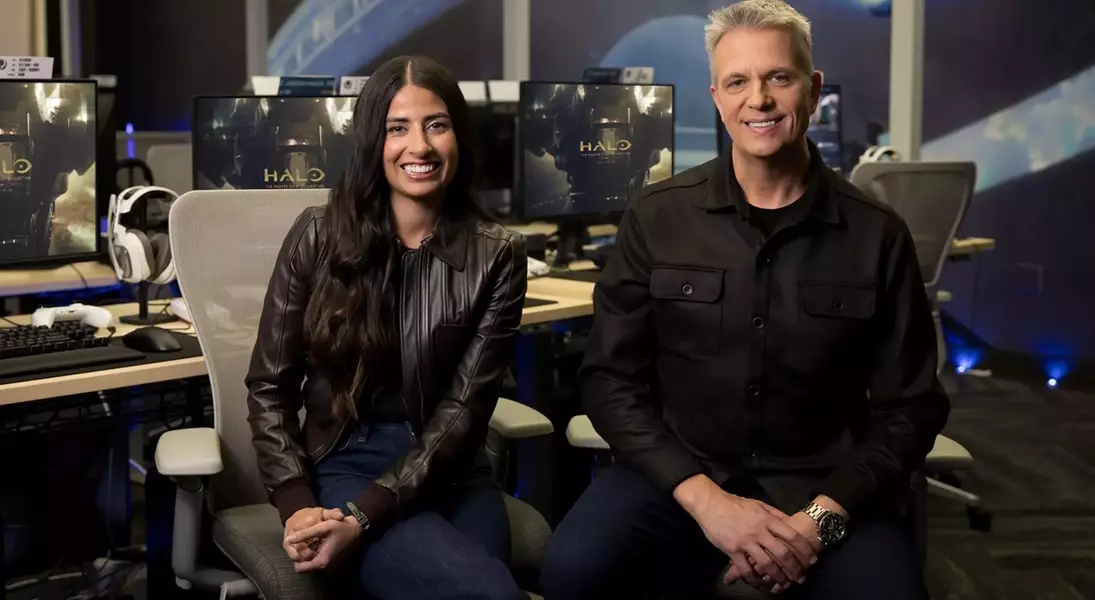
Microsoft's gaming division is embarking on a strategic redirection, with a renewed emphasis on its console origins. This move comes after several years where the company pivoted towards establishing Xbox as primarily a software and cloud gaming entity, extending its reach to platforms like Steam and various devices through cloud streaming. The recent leadership change, with Asha Sharma stepping in as CEO of Microsoft Gaming following Phil Spencer's retirement, has brought this re-evaluation to the forefront, as Sharma articulates a commitment to “celebrate our roots with a renewed commitment to Xbox starting with console.”
For years, Xbox had been striving to broaden its appeal beyond its dedicated hardware, a response to intense competition from rivals such as PlayStation and Nintendo. This expansion included initiatives like the “This is an Xbox” campaign, which aimed to position Xbox as an overarching gaming ecosystem rather than just a console. Statements indicating that the company could “honor the Halo legacy on PlayStation” were seen by some as concessions to this broader, platform-agnostic approach. The new rhetoric, however, suggests a desire to reinforce the console's central role within the Xbox identity.
The announcement has sparked considerable discussion regarding the implications for Microsoft's previous gaming strategies. While executive communications often employ broad, reassuring language, the shift raises particular questions about the future trajectory of Game Pass. The subscription service, once envisioned as a primary growth engine, has faced challenges in achieving its ambitious subscriber targets and has reportedly impacted traditional game sales. The notion of a “reinvention of play,” as mentioned by Sharma, could imply various possibilities, from tweaking the Game Pass model to exploring entirely new approaches to content delivery and community engagement.
Furthermore, Microsoft's long-standing commitment to making and selling consoles has been reiterated, even amidst economic pressures affecting component markets like RAM. The company's nuanced statements, such as its intention to “recommit to our core Xbox fans and players” while also exploring “new categories and markets,” highlight the ongoing challenge of balancing tradition with innovation. Similarly, the ambition to move with “urgency” in a rapidly changing gaming landscape, yet avoid “soulless AI slop,” reflects a cautious yet forward-looking stance on development and content creation.
The vision articulated by Sharma also touches upon fostering a creative ecosystem. Her statement, “We will build a shared platform and tools that empower developers and players to create and share their own stories,” hints at an aspiration to tap into user-generated content, potentially drawing inspiration from platforms where user creativity drives engagement. This suggests a future where Xbox aims not just to deliver games, but to provide the means for its community to actively contribute to and shape the gaming experience, ensuring that iconic franchises evolve beyond mere monetization into dynamic, player-driven worlds.
