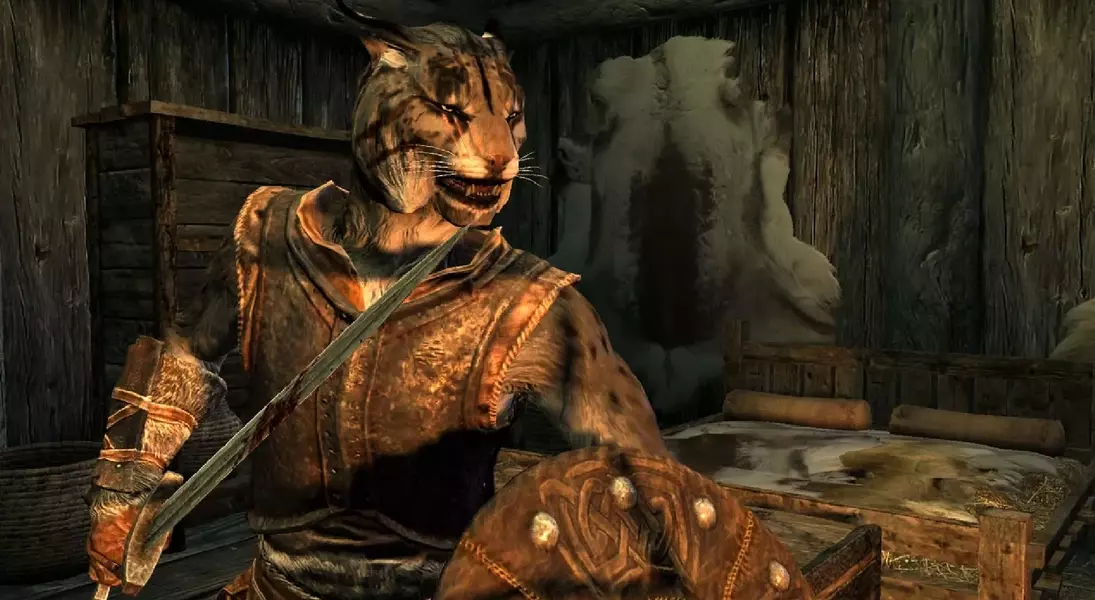
Recent restructuring initiatives at Xbox have led to the dismissal of Christiane Meister, a veteran senior character artist at Bethesda Game Studios. Meister, who boasts a remarkable 27-year tenure with the company, played a pivotal role in shaping the visual identity of the beloved Elder Scrolls franchise, contributing to every installment from Morrowind to Skyrim. This development has sent ripples of concern throughout the gaming industry, prompting discussions about job security and the value of long-term experience in a financially thriving sector.
Details of the Layoffs Affecting a Gaming Icon
The news of Christiane Meister's departure surfaced following Xbox's initial round of layoffs this week. While the broader impact of these cutbacks across Bethesda and ZeniMax has been reported, Meister's case stands out due to her extensive contributions and her critical role in character design. A post on Bluesky initially brought attention to her situation, subsequently confirmed by her LinkedIn profile, where she is actively seeking new employment opportunities. Meister's profile details her responsibilities at Bethesda, which included the comprehensive design, creation, and management of character art assets for The Elder Scrolls series. Her work encompassed everything from initial concept drawings to the final in-game models, including overseeing outsourced assets and collaborating with other artists.
Specifically, Meister was instrumental in revamping the "beast races" – the Khajiit and Argonians – for Skyrim, a task she openly discussed in a 2022 'meet the artist' blog post by Bethesda. She described the technical challenges of designing these unique characters, explaining how she moved away from the uniform facial structures of Oblivion to create distinct and expressive features for each race in Skyrim, even necessitating the creation of specialized helmets to accommodate their unique head shapes.
The decision to lay off such a long-standing and influential figure raises questions about the motivations behind these corporate actions. Critics suggest that such moves, especially when impacting highly experienced professionals, often stem from a capitalist drive to reduce payroll costs, despite the industry's robust financial health. With global games revenue projected to exceed $200 billion, many argue that the current wave of layoffs is not a sign of financial distress but rather a reallocation of wealth towards shareholders, at the expense of dedicated employees.
Reflections on the Gaming Industry's Evolving Landscape
The situation surrounding Christiane Meister's layoff, alongside other similar incidents across the gaming industry, serves as a poignant reminder of the shifting dynamics within the sector. It underscores a growing tension between corporate financial strategies and the stability of the creative workforce that drives innovation and artistry in video games. From a journalistic perspective, these events highlight the precarious nature of employment even for highly skilled and experienced individuals in a booming industry. It prompts a critical examination of how companies prioritize profit margins over the invaluable contributions of their long-serving talent. This trend, if continued, could have long-term implications for employee morale, creative development, and the overall health of the gaming ecosystem, suggesting a potential future where dedication and expertise might be undervalued in the pursuit of ever-higher financial returns.
