
Wyoming is experiencing a significant shift in its energy landscape, marked by the recent federal approval for constructing an advanced nuclear reactor in Kemmerer. This development, spearheaded by Terra Power, a company founded by Bill Gates, represents a pivotal moment in the nation's energy strategy. The project aims to usher in a 'nuclear renaissance,' providing a cleaner, more stable power source, particularly as the demand for energy, driven by advancements in artificial intelligence and data centers, is projected to surge by 130% by 2030, according to the International Energy Agency.
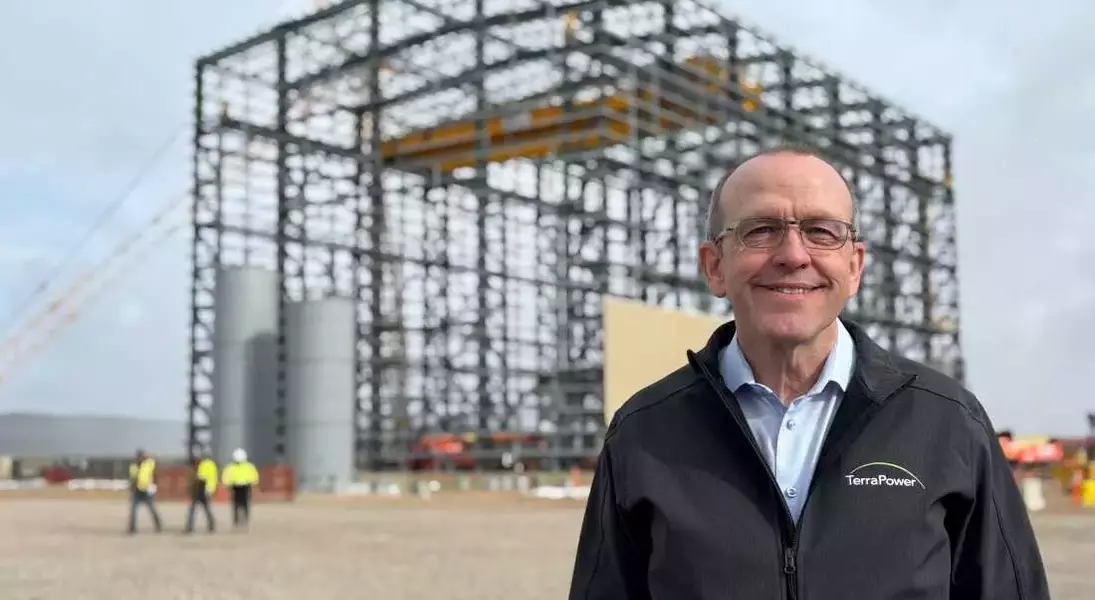
The construction of this new reactor is not just about energy production; it's a testament to changing perceptions and technological innovations within the nuclear industry. Chris Levesque, CEO of Terra Power, highlights the advanced design of their reactors, which are engineered to be safer and more efficient to build compared to older models. This modern approach is helping to overcome past public resistance, famously known as the 'Not In My Backyard' (NIMBY) phenomenon, with communities now actively vying to host these facilities. The plant's design incorporates liquid sodium metal for cooling and a largely underground infrastructure, demonstrating a commitment to enhanced safety and reduced environmental impact. The state of Wyoming, a historical energy exporter, sees this as a crucial step towards economic diversification and maintaining its role as a leading energy provider.
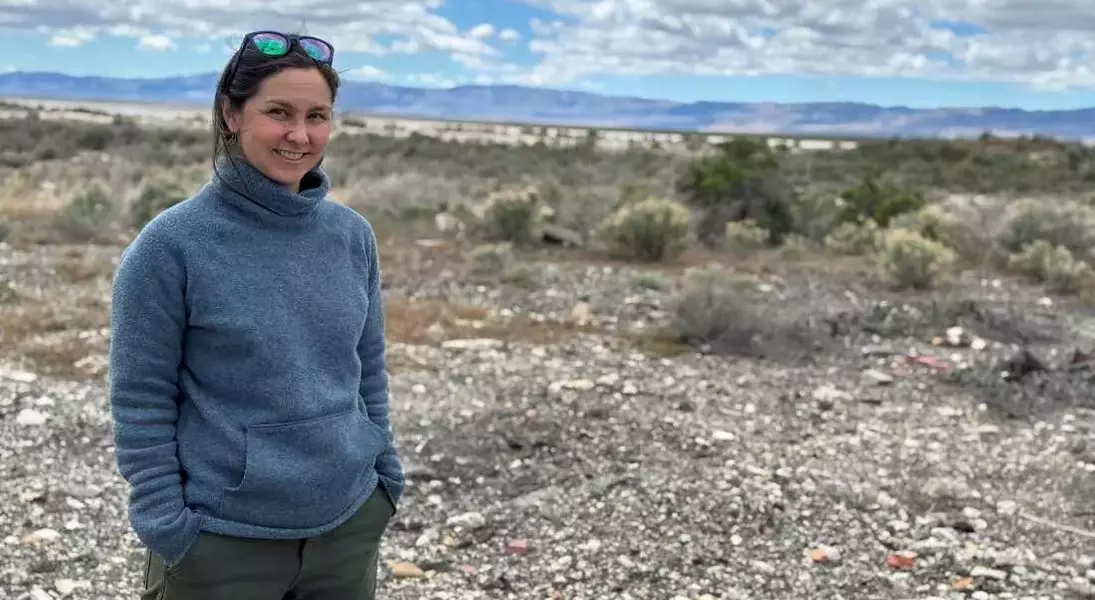
Despite the widespread enthusiasm, particularly from local communities like Kemmerer which anticipates significant job creation and economic revitalization, the nuclear renaissance is not without its critics. Environmental advocates, such as Lexi Tuddenham from Healthy Environment Alliance Utah, express concerns about the long-term implications of nuclear waste storage and question the true 'green' credentials of nuclear energy. The historical context of the Western U.S., with its legacy of abandoned uranium mines and radioactive contamination, fuels these reservations. Nevertheless, proponents argue that new technologies produce less waste and that on-site storage is safe until a permanent federal repository is established, emphasizing the importance of nuclear power in achieving energy independence and combating climate change.
The journey towards a sustainable and secure energy future necessitates embracing innovative solutions while diligently addressing their potential impacts. The emergence of advanced nuclear technology presents a compelling pathway to meet growing energy demands with low-emission power. It also offers economic opportunities for regions transitioning away from traditional energy sources. Balancing the promise of progress with responsible environmental stewardship remains paramount, ensuring that the benefits of new energy solutions are realized for all, both presently and for generations to come.
