The World Soundtrack Awards (WSA) has unveiled its highly anticipated nominations for its 26th annual ceremony, shining a spotlight on the exceptional talent shaping the auditory landscapes of cinematic and television productions. This year's contenders for Film Composer of the Year, Television Composer of the Year, and Best Original Song feature a mix of established luminaries and innovative voices, promising a celebration of musical excellence. The nominations highlight a diverse array of styles, from tension-building orchestrations to atmospheric soundscapes and genre-bending compositions, reflecting the rich tapestry of contemporary scoring. The awards, scheduled for October 10th, will honor those who have masterfully enhanced storytelling through their unique musical artistry.
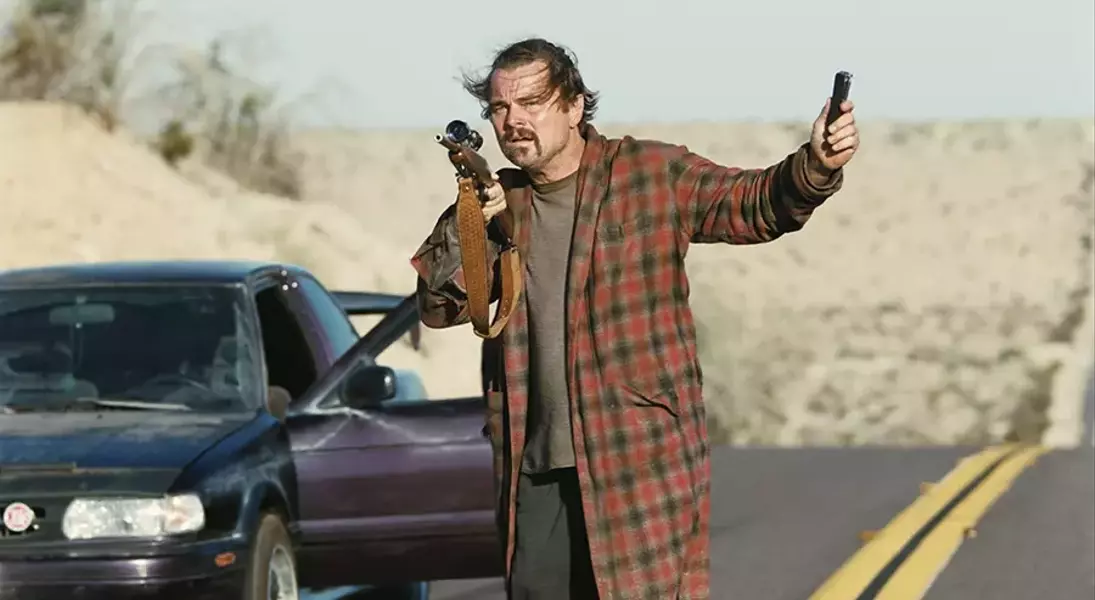
Among the prominent nominees for Film Composer of the Year are Jonny Greenwood, Alexandre Desplat, and Hildur Guðnadóttir. Jonny Greenwood, celebrated for his distinctive and often nerve-shredding scores, earned his nomination for Paul Thomas Anderson's "One Battle After Another," where he continued to demonstrate his signature tension-filled orchestral style, previously heard in acclaimed works like "Phantom Thread" and "The Power of the Dog." His ability to infuse narrative with a palpable sense of unease and emotional intensity has cemented his reputation as a master of atmospheric scoring.
Two-time Oscar recipient Alexandre Desplat received recognition for his versatile contributions, including a thrilling action score for "Jurassic World Rebirth" that reimagined classic motifs, a lyrical symphonic piece for Guillermo del Toro's "Frankenstein," and a haunting, suspenseful jazz score for "L'homme qui rétrécit." Desplat's nominations underscore his remarkable adaptability and capacity to create distinct musical identities across vastly different film genres, consistently elevating the emotional and narrative impact of his projects.
Hildur Guðnadóttir, an Academy Award-winner and this year's WSA guest of honor, was nominated for her celebrated "atmospheric soundscapes." Her work spans a broad spectrum, from the gothic punk influences in "The Bride!" and the jazzy vocal tracks of "Hedda" to the powerful mammoth horn solos in "28 Years Later: The Bone Temple." Her diverse nominations reflect her exceptional versatility and her profound ability to craft music that is both deeply evocative and uniquely her own, making her a formidable presence in contemporary film scoring.
Additional nominees for Film Composer of the Year include Emmy-winner Daniel Pemberton, known for his innovative blend of traditional and genre-bending soundscapes, with works like the expansive sci-fi score for "Project Hail Mary" and the maximalist glam-rock explosion for "Masters of the Universe." Max Richter, renowned for his seamless fusion of classical orchestration with contemporary ambient electronics, also received a nod for his deeply moving score for Chloé Zhao's "Hamnet," which skillfully interwove period Elizabethan instruments with soft vocal chants to capture the film's intimate grief. These composers exemplify the varied and evolving artistry within film music today.
The Television Composer of the Year category features compelling talent as well. Emmy-winner David Fleming, recognized last year for "The Last of Us," returns with a nomination for the genre-defying horror-comedy "Widow's Bay," praised for its ability to balance dread and wit. Finneas O'Connell, a multiple Grammy and two-time Academy Award-winning musician, received a nomination for his score for the second season of "Beef," marking his most ambitious television foray with its blend of delicate piano and anxious synth. Martin Phipps, known for his work on "Peaky Blinders" and "The Crown," is nominated for the tense heist thriller "Steal," co-written with Benji Merrison and composed largely on a single monophonic synthesizer. Dave Porter, a frequent collaborator with Vince Gilligan, earned a nomination for his eerie post-apocalyptic score for "Pluribus," while Jeff Russo, celebrated for his stylistic range, is recognized for his contributions to "Cape Fear," "Alien: Earth," and the second season of "Citadel."
The Best Original Song category showcases a vibrant mix of musical talents. "Golden," from the Netflix hit "KPop Demon Hunters," written by Kim Eun-jae, Mark Sonnenblick, Joong Gyu Kwak, Yu Han Lee, Hee Dong Nam, Jeong Hoon Seo, and Teddy Park, and performed by Huntrix, is a strong contender following its Oscar win. "House" from "Wuthering Heights," a collaboration between Nathan Klein, Finn Keane, avant-garde pioneer John Cale, and pop icon Charli XCX, infuses raw emotional tension into the classic tale. Cynthia Erivo's soaring ballad "No Place Like Home," crafted by Stephen Schwartz for "Wicked: For Good," also secured a nomination. Additionally, "Stolen Tale" from "Hedda," co-written by Hildur Guðnadóttir and director Nia DaCosta, delivers a haunting love theme with the distinctive atmospheric vocals of Swedish singer Mariam Wallentin. Finally, the title track "Train Dreams" from the film of the same name, featuring Nick Cave and The National's Bryce Dessner, anchors the narrative with Cave's signature somber, poetic delivery and melancholic acoustic resonance. The second wave of WSA nominations, including for Discovery of the Year, Public Choice Award, Game Music Award, and Belgian Film Composer of the Year, will be revealed on September 3rd.
The 26th World Soundtrack Awards promises to be a remarkable event, honoring the innovative and impactful musical achievements across film and television. The diverse selection of nominees, from seasoned veterans to emerging talents, underscores the dynamic and evolving nature of film scoring and original song composition. This celebration recognizes the crucial role that music plays in shaping narratives, evoking emotions, and enriching the audience's overall experience, ultimately highlighting the profound artistry that defines the best in soundtrack creation.
