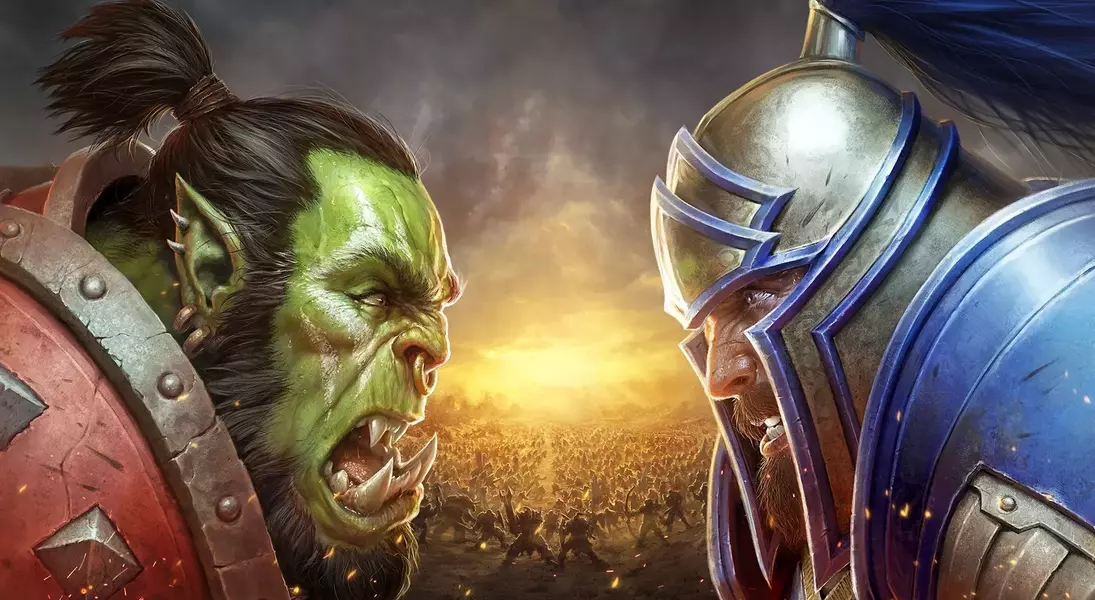
The division between the Horde and Alliance in World of Warcraft, a cornerstone of its initial identity, was not as ingrained in the game's early development as one might assume, according to former Blizzard Vice President Jeff Kaplan. Despite the strategic importance of factions in the original Warcraft real-time strategy games, this fundamental aspect of WoW's design emerged from significant internal contention, being settled remarkably close to the game's launch.
In a recent appearance on the Lex Fridman podcast, Kaplan, who served as a quest designer and worked closely with Blizzard's leadership, disclosed the heated discussions surrounding the faction split. He and Rob Pardo, both coming from Everquest—a game with a unified player base—initially opposed the idea, advocating for a more integrated world. However, Allen Adham, a key figure in WoW's inception, championed the faction system, drawing inspiration from titles like Dark Age of Camelot, which featured three distinct realms that fostered immediate team identification among players. This debate persisted, with daily discussions among core developers, underscoring the deep division of opinion within the team.
The most astonishing revelation is that this pivotal faction design was not definitively implemented until a mere nine to twelve months before World of Warcraft hit the shelves. Following Adham's departure, Rob Pardo, stepping into the lead designer role, recognized the merits of Adham's vision and moved to solidify the faction structure. This decision, made in the eleventh hour, established a core mechanic that would deeply influence the game's narrative and player experience, eventually leading to a legacy so profound that players would memorialize their allegiance with tattoos.
The journey of World of Warcraft's faction system from a contentious internal debate to an iconic element of the game's design demonstrates the iterative and often unpredictable nature of creative development. It highlights how even the most defining features can originate from intense discussion and last-minute decisions, ultimately shaping a vibrant, enduring world that continues to evolve, proving that true innovation often stems from challenging conventional wisdom and embracing bold choices.
