"World of Warcraft: Forever," Blizzard's reimagined version of the classic MMORPG, has introduced official gamepad support, a feature explored in detail by a beta player. While the combat and skill management via controller prove surprisingly efficient, adapting the game's intricate, window-heavy user interface to a gamepad presents notable hurdles. This analysis delves into the advantages of this new control scheme for players seeking a more relaxed gaming posture, as well as the inherent difficulties in translating a deeply PC-oriented design to a console-like experience. Ultimately, it evaluates whether this innovation, despite its current alpha stage, holds the potential to significantly broaden WoW's audience or remains a supplementary option for a niche group of players.
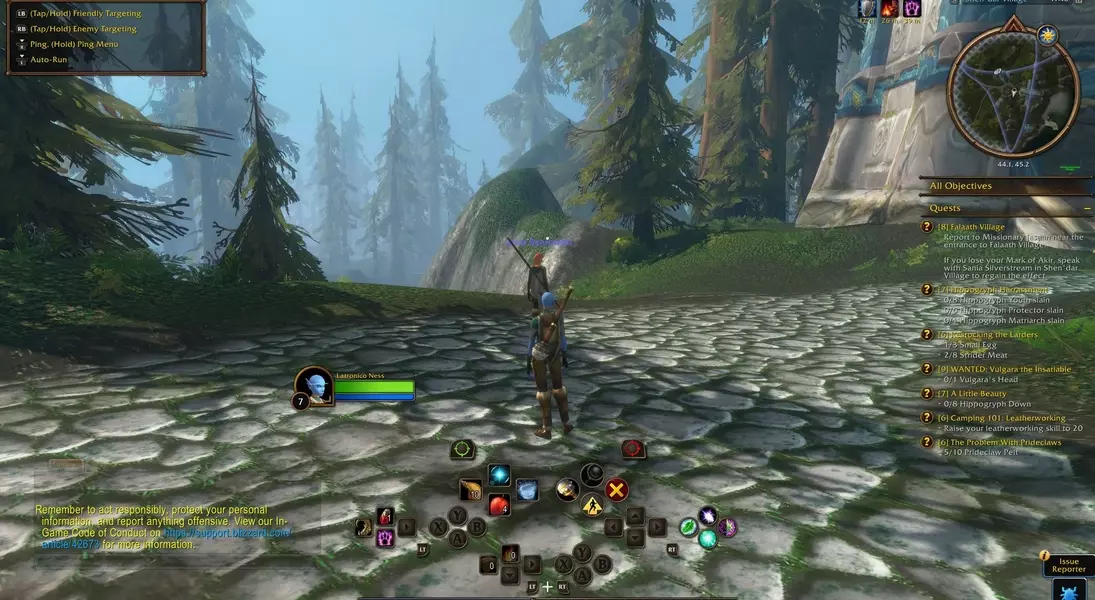
At BlizzCon, the creators of "World of Warcraft: Forever" unveiled gamepad compatibility, sparking a discussion about the game's potential migration to consoles. Despite initial skepticism, the gamepad integration for skill use and combat proves remarkably fluid, even on par with traditional mouse and keyboard controls. Players can assign up to 32 skills or items across the D-pad and face buttons, with modifiers from the triggers, allowing for rapid access to abilities. Targeting, managed by bumpers and the right stick, also functions smoothly, suggesting that controller users wouldn't be at a disadvantage in high-stakes scenarios like raids or battlegrounds. This efficient combat control addresses a key concern for many players, providing a viable alternative to the classic PC setup.
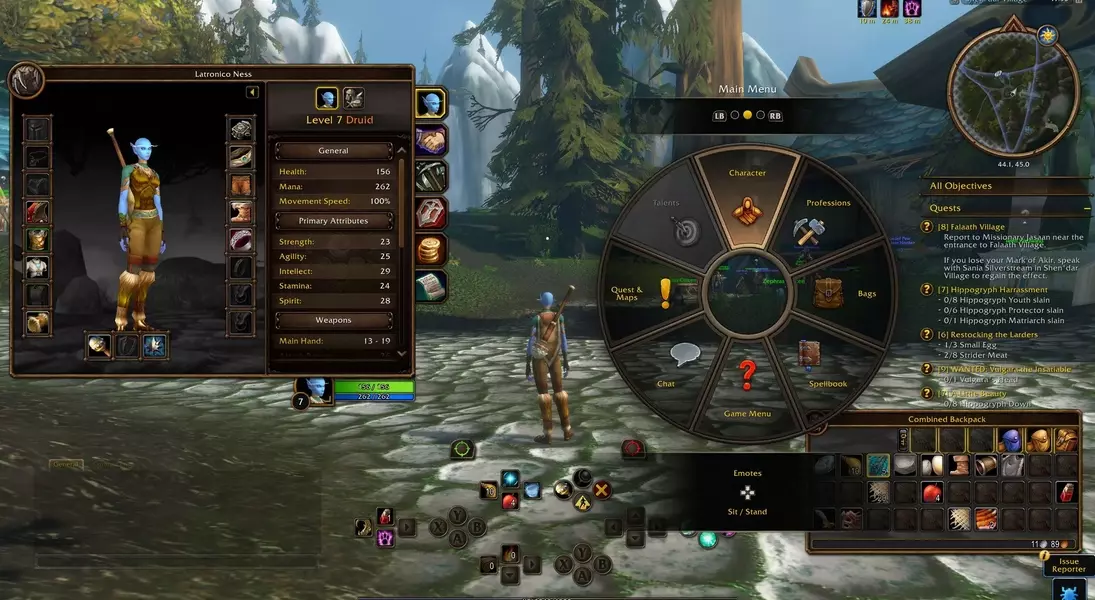
However, the core challenge lies in "World of Warcraft's" user interface, which is fundamentally designed around a point-and-click, multi-window system. Unlike games built from the ground up for consoles, WoW's UI relies heavily on simultaneous window management for tasks such as crafting, inventory, and quest logs. While Blizzard has devised a clever selector wheel for menus and allows focus switching between multiple open windows using triggers, the system can feel cumbersome. The reliance on contextual right-clicking in the original PC interface often translates into a sub-menu accessed via a dedicated button on the gamepad, which, while functional, lacks the intuitive immediacy of a mouse. This intricate navigation, despite Blizzard's best efforts, highlights the deep-seated differences in design philosophies between PC and console interfaces.
The current gamepad support, still in its alpha phase, offers a valuable accessibility tool and an alternative way to engage with the game, particularly for those who prefer to play from a more relaxed position, such as a sofa. While it provides a functional and often effective means to control the game, it conspicuously lacks the seamless polish expected from a console-native title. The interface, despite its clever workarounds, can feel like a "fix" rather than an organic design, revealing the extensive adaptations needed for a game not originally conceived for controller input. This implies that while a welcome addition for existing players, the current implementation might not be robust enough to serve as the primary control scheme for a full console release, suggesting that any true console version would necessitate a much more fundamental UI overhaul.
