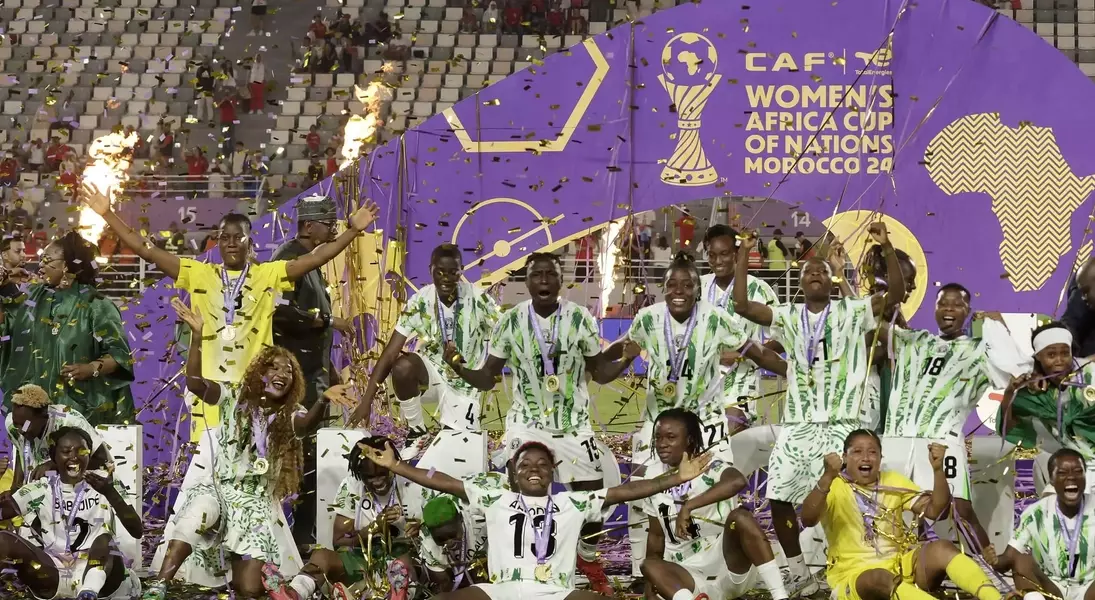

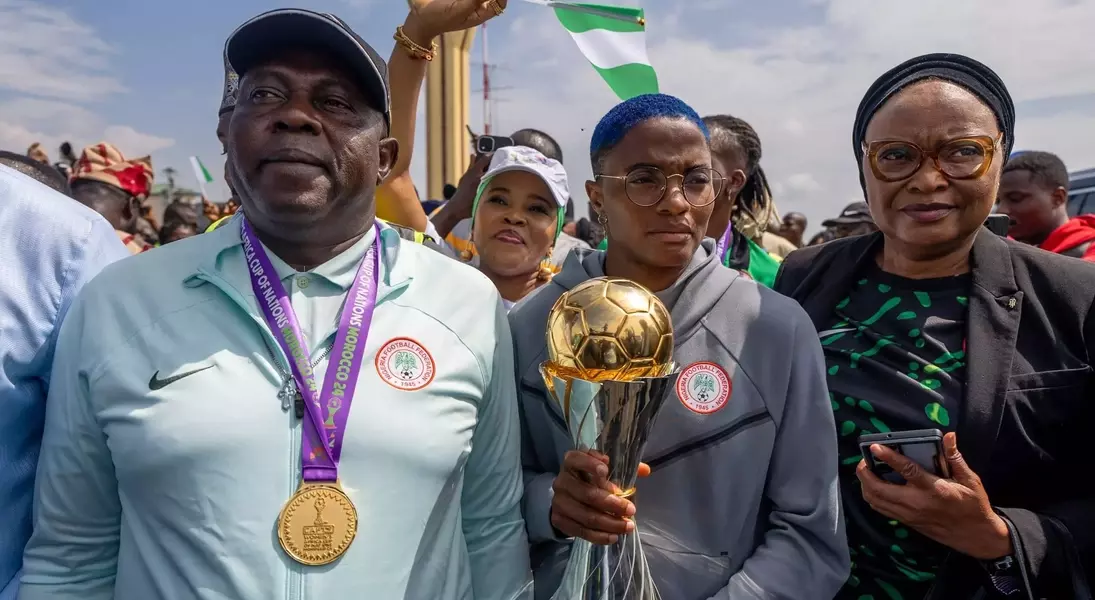
The recent culmination of the Women's Euros, Copa América Femenina, and the Women's Africa Cup of Nations (WAFCON) unveiled a striking contrast in the landscape of international women's football. While European competitions demonstrate unprecedented growth in viewership and stadium attendance, events in South America and Africa, despite showcasing thrilling matches and remarkable talent, frequently contend with insufficient funding and operational challenges. This disparity underscores a critical need for enhanced investment and equitable treatment across all regions to truly foster the global development of the sport.
Despite these systemic hurdles, the passion and skill displayed on the pitches of WAFCON and Copa América Femenina were undeniable. Players from these regions, often lauded for their performances in top international leagues, returned home to compete in tournaments where basic necessities like suitable accommodation and training facilities were sometimes lacking. Instances of player protests over unpaid wages and inadequate conditions highlighted the ongoing struggle for fair treatment. Furthermore, media coverage for these events often pales in comparison to their European counterparts, with limited accessibility for global audiences and less dedicated broadcasting resources. Yet, the fervent fan engagement and significant viewership spikes, even under challenging circumstances, undeniably demonstrate a burgeoning appetite for women's football from these continents.
Looking ahead, the commitment to improving conditions and expanding opportunities for women's football in South America and Africa is paramount. Federations, media entities, and corporate sponsors have a collective responsibility to address the existing inequities. Providing robust developmental programs, securing better infrastructure, ensuring player welfare, and enhancing global accessibility will not only elevate the competitive standard but also unlock the full commercial and social potential of the sport. The players themselves have consistently shown their readiness to compete at the highest level; now, it is time for the ecosystem around them to rise to the occasion and provide the unwavering support they deserve.
The journey of women's football is a testament to resilience and unwavering spirit. By acknowledging and rectifying the current imbalances, particularly in emerging football regions, we can cultivate an environment where every athlete, regardless of their origin, has the opportunity to thrive. This collective effort will not only advance the game but also inspire future generations, demonstrating that with fair play and steadfast support, the possibilities are boundless and the sport's global footprint can truly flourish.
