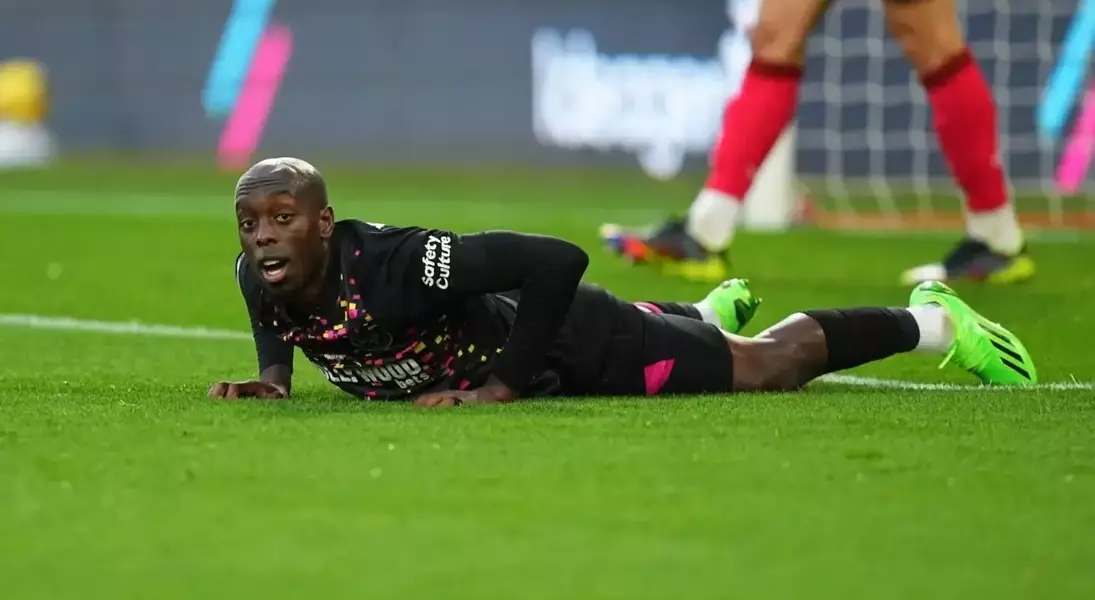
A dramatic standoff is unfolding in the Premier League transfer market, as Brentford's prolific striker, Yoane Wissa, has reportedly ceased training. This drastic measure comes after the London club allegedly reneged on an agreement for his transfer to Newcastle United, sparking considerable speculation across the footballing world.
Player's Resolve Tested as Brentford Blocks Newcastle Move
In a significant turn of events on July 26, 2025, Brentford's key forward, Yoane Wissa, reportedly initiated a training strike. This action was taken in response to the club's decision to halt his anticipated transfer to Newcastle United, a move that the player believes violates a previous understanding. Reporter Ben Jacobs indicated that Brentford rejected a Newcastle bid exceeding £30 million, despite Wissa asserting there was a 'gentleman's agreement' to facilitate his departure for £26 million. This alleged pact, according to Wissa, was intended to allow him to pursue UEFA Champions League football, a long-held ambition for the 28-year-old. This desire was communicated during face-to-face discussions after Wissa left Brentford's pre-season tour in Lisbon. Brentford's new management, under rookie manager Keith Andrews, finds itself in a challenging position, especially after the recent sale of Bryan Mbeumo to Manchester United. The club had previously seen the exits of David Raya and Ivan Toney, making Wissa's potential departure a further blow to their attacking lineup. Despite the club's firm stance, reports suggest Brentford is already actively searching for Wissa's replacements, hinting at a possible softening of their position if Newcastle were to submit an offer exceeding £50 million.
This ongoing transfer dispute highlights the complex dynamics between players, clubs, and transfer market expectations. From a fan's perspective, Wissa's decision to refuse training, while impactful, raises questions about the balance of power in modern football. While a player's ambition to compete at the highest level, like the Champions League, is understandable, the approach taken could be seen as disruptive. Ultimately, this situation underscores the importance of clear communication and honoring agreements in the high-stakes world of professional football, ensuring that both player aspirations and club stability are carefully considered.
