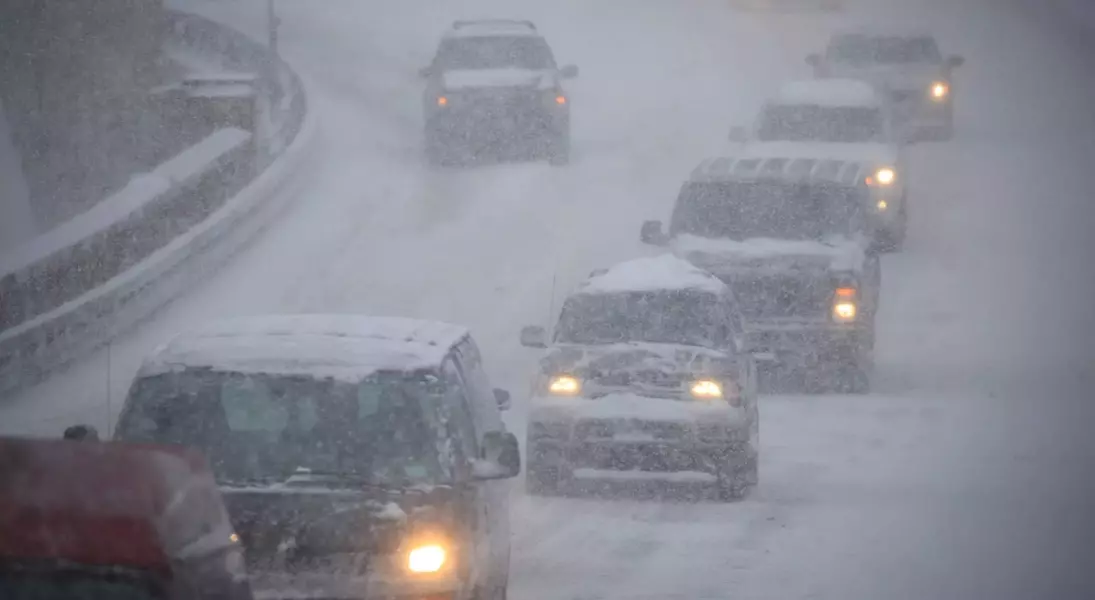
A severe winter weather alert has been issued for specific areas in Alaska, with forecasts predicting substantial snowfall of up to 15 inches by Friday. The National Weather Service (NWS) anticipates that this storm will lead to rapidly accumulating snow and significantly reduced visibility, potentially dropping to a quarter-mile or less, creating dangerous driving conditions.
The NWS Anchorage has issued a winter storm warning for the Northern Susitna Valley, encompassing the Parks Highway corridor through Broad Pass, the Denali Highway, and Chulitna, effective from Thursday evening until Friday evening. Initial light snowfall, with accumulations of 3 to 6 inches, is expected before the full impact of the warning. The heaviest snowfall is projected to occur from Thursday night into Friday morning. Later on Friday, temperatures are expected to rise above freezing, which could transform the snow into rain or a wet slush, further complicating road conditions. The Parks Highway, a vital link between Anchorage and Fairbanks, is specifically highlighted as a route where drivers should expect low visibility and quick snow buildup.
Driving during this period will be particularly challenging, as a quarter-mile visibility, approximately 1,320 feet, can quickly diminish in intense snow bands. The Alaska Department of Transportation & Public Facilities (DOT&PF) advises drivers to keep their headlights on to enhance visibility for themselves and other motorists, emphasizing that many vehicles' daytime running lights do not activate taillights. Furthermore, the DOT&PF cautions against following snow removal equipment too closely, recommending a minimum distance of 200 feet and advising against passing plows on the right, as these machines can create sudden whiteout conditions. Road safety is paramount, with warnings that stopping distances increase on wet or icy surfaces, and that bridges and overpasses are often the first to freeze, even when other parts of the road appear clear.
In light of these challenging weather conditions, it is crucial for everyone to prioritize safety and remain vigilant. Consulting up-to-date road information is highly recommended for anyone planning to travel. By staying informed and exercising extreme caution, we can collectively navigate through adverse weather with minimal risk and ensure the well-being of all.
