For an extended period, setting up any new Windows machine inevitably meant a significant delay while essential system updates were installed. With the increasing number of enhancements for Windows 11 over recent years, users typically had no choice but to find alternative activities for roughly half an hour or more, depending on their internet speed. However, a newly introduced feature now enables users to postpone this waiting period.
Details on the Windows 11 Setup Enhancement
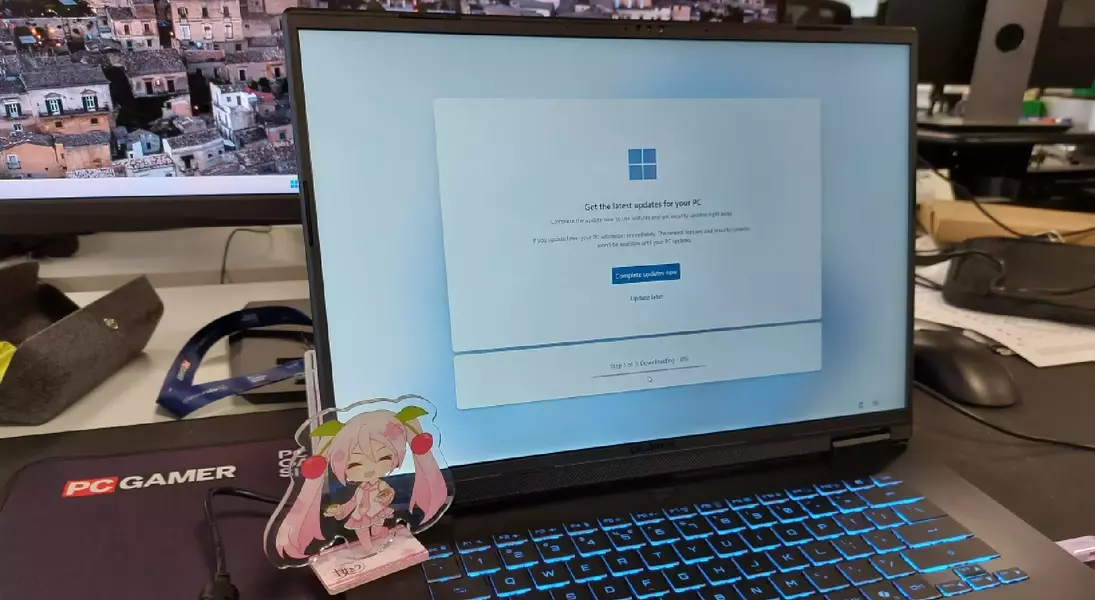
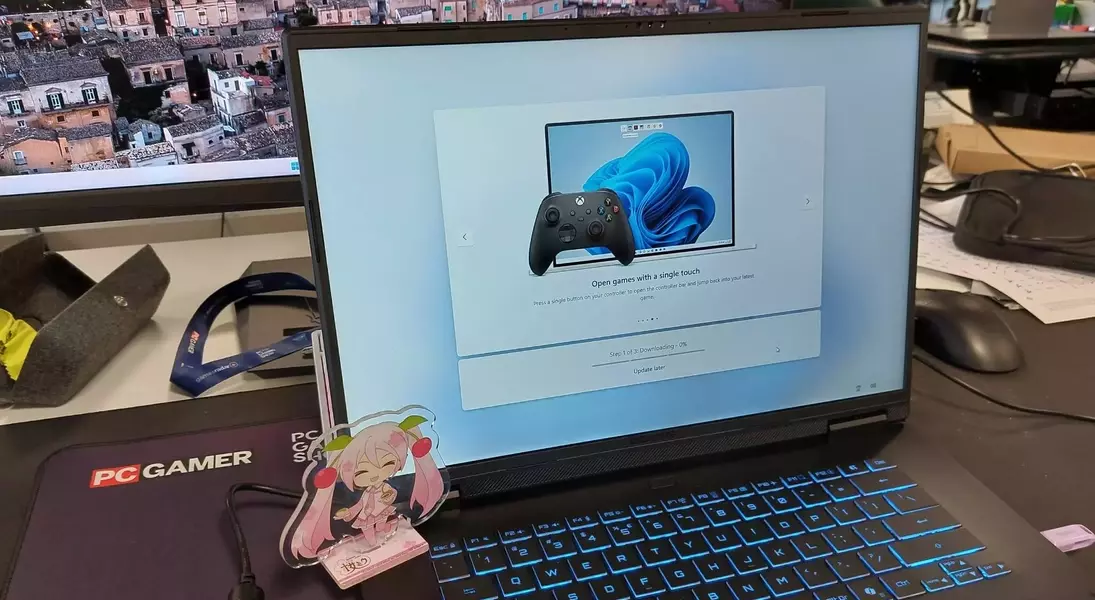
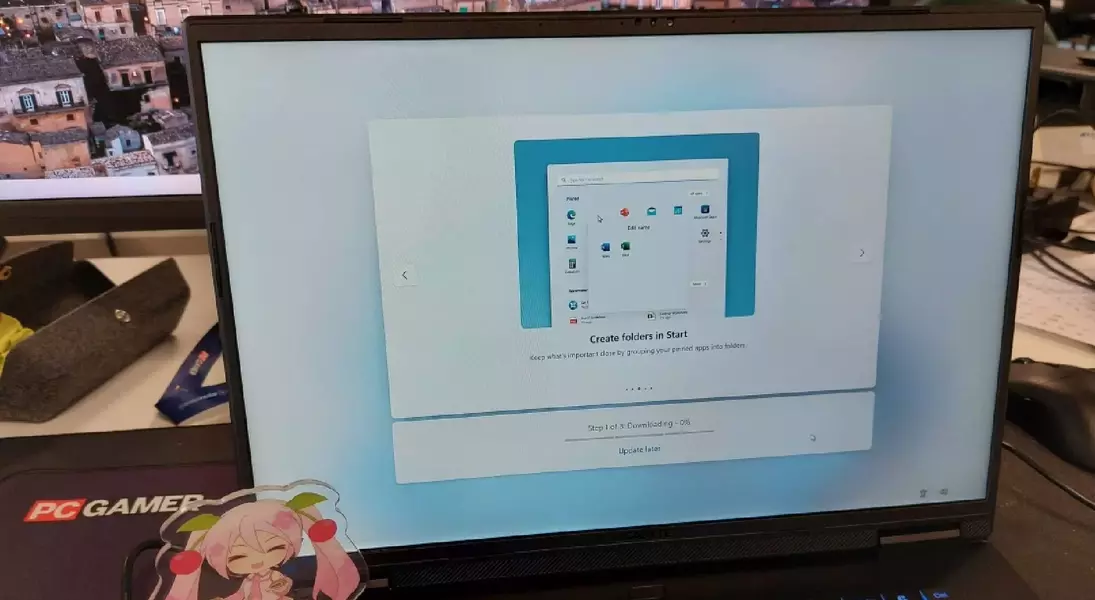
Upon powering on a Windows device straight from its packaging, users will now encounter a prompt asking if they wish to conduct all necessary updates at a later time. This modification was initially brought to light by AriaUpdated on X. The functionality has been confirmed on a newly factory-reset Gigabyte Aero X16 gaming laptop, where the 'update later' option was presented. Opting for this choice leads to a confirmation display, requiring users to either reconfirm 'update later' or proceed with 'Complete Updates Now.'
While it is generally advisable to install the most recent security and stability updates for Windows 11 on a new desktop or laptop immediately, to ensure comprehensive protection, the setup experience can still be lengthy. Although the installer attempts to alleviate boredom by offering games like Microsoft Edge's Surf, the process is still not as swift as previous versions like Windows 10, which allowed for speedier installations. Nevertheless, this new ability to skip initial updates and perform them at a more convenient time grants users greater command over their device's readiness. This aligns with Executive Vice President of Windows + Devices Pavan Davuluri's earlier statement last month, where he outlined a strategic commitment to minimize disruptions caused by Windows Updates.
This innovative feature, allowing the deferment of updates, substantially streamlines the initial setup phase, bringing Windows 11's first-use experience closer to the swiftness of competitors such as ChromeOS and macOS. While enthusiasts of Linux distributions often highlight their preferred operating systems' efficiency, Microsoft's move to enhance user experience by addressing common pain points, including system performance and reliability, marks a positive step. This commitment to improving the overall Windows experience could play a crucial role in re-establishing user confidence and loyalty.
