
This report offers a comprehensive look into the unique aspects of Wimbledon, providing answers to some of the most frequently asked questions about the renowned tennis tournament. It explores technical details like the mechanics of racquet strings, the extensive schedule of matches, and delves into the cultural elements such as the role of the Chelsea Pensioners and the naming of 'Henman Hill'. Furthermore, it sheds light on the strategic decisions behind broadcast commentary and analyzes the distinct competitive landscapes in the men's and women's professional tours, revealing the depth and multifaceted nature of this grand event.
The Grand Slam Disclosed: Key Insights from Wimbledon
On July 12, 2025, as the Wimbledon championships approached their culminating weekend, a series of revealing inquiries from the public were addressed, offering an unparalleled glimpse into the tournament's operational nuances and historical underpinnings. These questions spanned various facets of the event, from the technical specifications of equipment to the grand scale of competition and the rich tapestry of its traditions.
A common query revolved around the durability of tennis racquet strings. Paul Skipp, the esteemed head of Wimbledon's stringing operations, clarified that string breakage is predominantly due to friction rather than sheer impact. The constant rubbing of strings against each other, particularly during spin shots, is the primary culprit. He also highlighted that players typically have their racquets restrung after every match, with tension adjustments varying based on playing surface and environmental conditions, demonstrating the minute attention to detail required at the elite level.
Regarding the sheer volume of tennis action, Martin from Wiltshire inquired about the total number of matches contested. It was revealed that an astonishing 675 matches are played across Wimbledon's 18 courts over the fortnight. This grand total encompasses a wide array of categories, including men's and women's singles, doubles, mixed doubles, and junior and wheelchair events, underscoring the tournament's comprehensive nature.
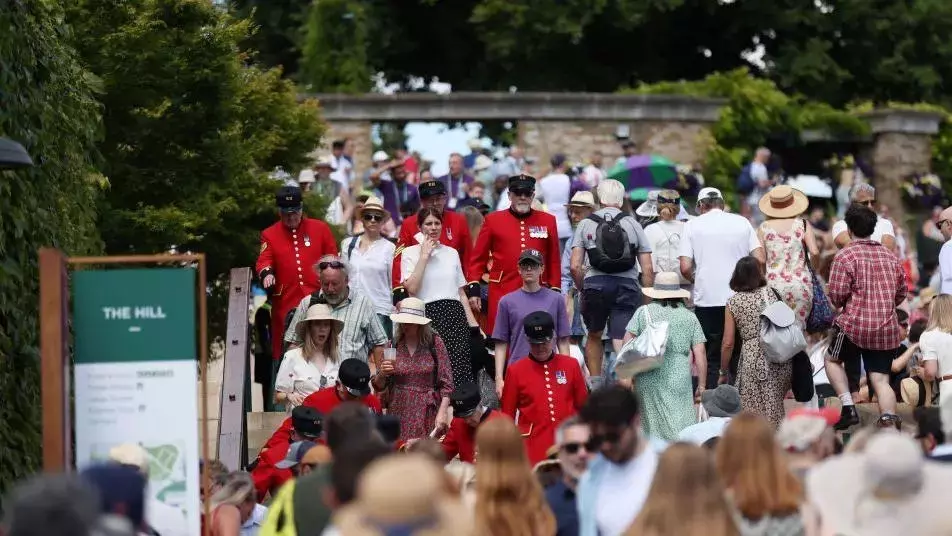
A poignant question from Natalia addressed the less visible presence of the Chelsea Pensioners at Wimbledon. While they might not be as prominently featured as in previous years, they continue to attend. The All England Lawn Tennis and Croquet Club (AELTC) allocates 16 tickets daily to various associations, including those catering to the Chelsea Pensioners and service personnel from more contemporary conflicts. These tickets alternate between the prestigious Centre Court and Court One for the majority of the tournament, ensuring their continued, albeit more discreet, involvement.
Joanna from Wickham posed a query about the intricate process of assigning commentators to matches. Ron Chakraborty, head of events at BBC Sport, explained the meticulous system. A large pool of approximately 40 commentators at the tournament's start gradually reduces as the event progresses. The strategy involves rotating commentators to ensure variety and prevent them from calling the same player's matches repeatedly, fostering diverse analytical perspectives. British commentators are often assigned to matches involving British players, Australians to Australians, and so forth, enhancing authentic insight, particularly for international broadcasts. Occasionally, personal connections influence assignments, such as Louise Pleming, who introduced a mixed doubles pair, being chosen to commentate on their eventual Wimbledon final victory.
Nicky from St Albans brought up an intriguing statistical observation: the frequent change in women's champions compared to the sustained dominance in men's tennis over the past decade. Former world number five Daniela Hantuchova attributed this to the exceptional strength and depth across the top 100 players in women's tennis, leading to greater competitive variety. Former Wimbledon champion Marion Bartoli echoed this sentiment, noting the absence of a single dominant figure akin to Serena Williams in her prime, or male counterparts like Rafael Nadal, which opens the field for more diverse winners and creates a more thrilling spectacle for fans.
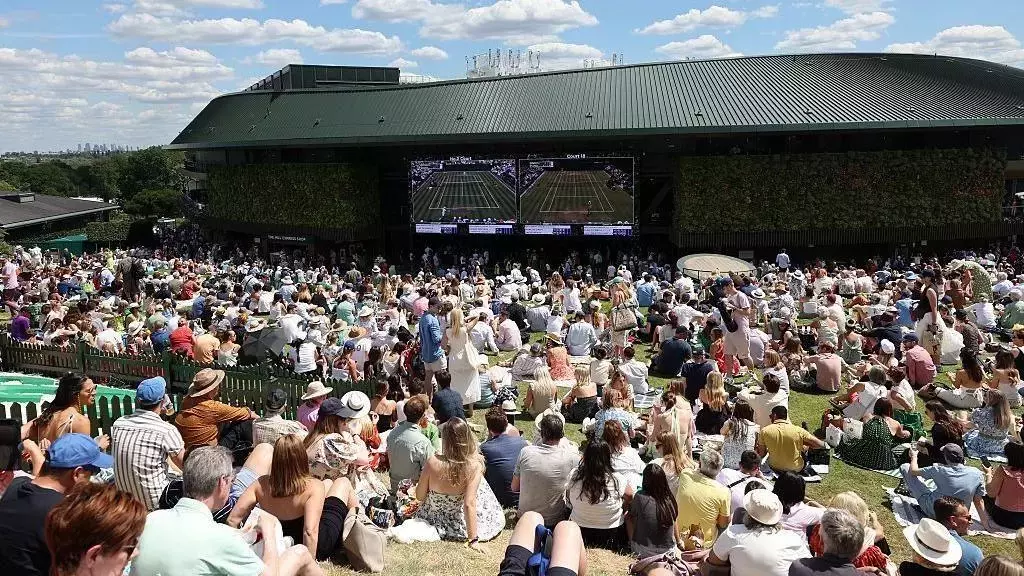
Finally, David from West Yorkshire inquired about the persistent use of 'Henman Hill' by BBC commentators, despite Andy Murray's Wimbledon victories. Rob Chakraborty clarified that the name originated in 1997 with the opening of the new Court One and the hill's use as a viewing area. Tim Henman's consistent deep runs in the tournament solidified 'Henman Hill' as the common moniker. While 'Murray Mound' gained traction during Andy Murray's successful campaigns, particularly his 2013 triumph, 'Henman Hill' remained the default. Even with the emergence of other successful British players, the original name has largely endured due to its historical resonance and the club's own internal referencing. As a nod to his achievements, Andy Murray is slated to receive a statue on the grounds in 2027, ensuring his lasting legacy at Wimbledon.
This detailed look into Wimbledon's inner workings provides a deeper appreciation for the grand tournament, highlighting not only the athletic prowess on display but also the cultural significance and meticulous planning that define this iconic event. The insights gleaned from these answered questions underscore the dynamic interplay between tradition and evolution within the world of professional tennis, offering both fans and casual observers a more informed perspective on what makes Wimbledon truly special.
