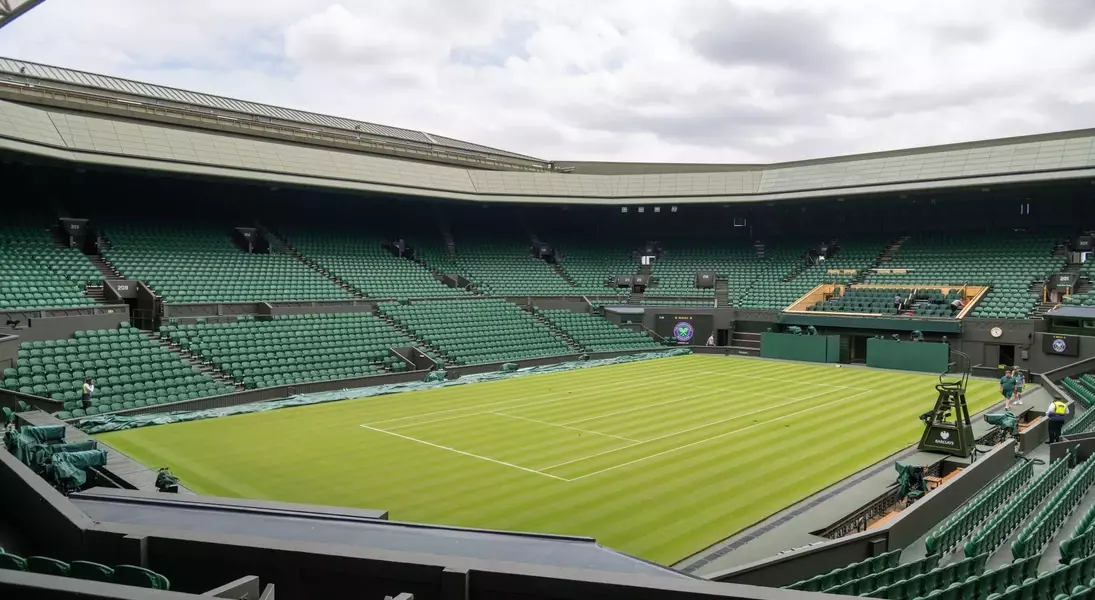
The esteemed All England Club's proposed £200 million expansion of the iconic Wimbledon tennis grounds has hit a significant legal hurdle, facing a High Court judicial review. This ambitious project, which includes the addition of 38 new tennis courts and an 8,000-seat stadium, has drawn strong opposition from environmental advocacy groups. Despite these challenges, the leadership of the All England Club remains steadfast in its conviction that this expansion is vital for the future prominence and sustained excellence of the renowned tournament.
Judicial Scrutiny for Wimbledon's Ambitious Growth
In a significant turn of events for the All England Club, its extensive £200 million expansion proposal for the Wimbledon grounds is now under judicial review. On Friday, June 20, 2025, Debbie Jevans, the Chairwoman of the All England Club, found herself summoned to appear before the High Court. This legal challenge, initiated by the 'Save Wimbledon Park' movement, aims to scrutinize the potential environmental ramifications of building on protected land adjacent to the current All England Club facilities in SW19.
The club's vision encompasses the construction of 38 additional tennis courts and a new stadium capable of seating 8,000 spectators. Jevans expressed her unwavering confidence in the merits of the project, stating to The Times that her attention would be divided between the impending tournament and the critical legal proceedings. She underscored the profound importance of this expansion, citing limitations in welcoming more attendees, providing individual practice courts for players, and managing matches effectively during adverse weather conditions without the additional space. She candidly acknowledged that without innovation and expansion, despite its unique heritage, Wimbledon risks falling behind other major tennis venues globally.
This legal review casts a shadow over the immediate future of the expansion, particularly as the prestigious tournament, featuring reigning champions Carlos Alcaraz and Barbora Krejčíková, is set to commence on June 30. The outcome of this judicial process will ultimately determine whether Wimbledon can proceed with its development plans, crucial for accommodating its growing global audience and maintaining its status as a premier tennis event.
From a discerning observer's viewpoint, this case transcends a mere infrastructural dispute; it highlights the intricate and often contentious balance between tradition, progress, and ecological stewardship. Wimbledon, a bastion of tennis history, faces a pivotal moment where its desire to evolve and meet contemporary demands clashes with the imperative to preserve cherished natural landscapes. The High Court's decision will not only shape the future of this beloved tournament but also set a precedent for how major sporting institutions navigate environmental responsibilities in their pursuit of expansion and modernization.
