







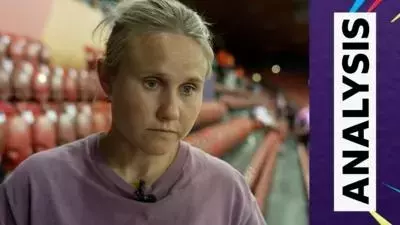



This report delves into crucial discussions surrounding modern tennis, featuring insights from renowned BBC Sport analysts Marion Bartoli, Daniela Hantuchova, and Annabel Croft. They tackle pressing questions posed by the public, specifically examining the controversial proposal to eliminate the second serve and exploring the notable lack of female coaches at professional levels within the sport.
Revolutionizing Tennis: A Deep Dive into Key Issues
Examining the Future of the Second Serve in Professional Tennis
A contentious point in contemporary tennis discussions revolves around the very existence of the second serve. Proponents of its abolition argue that removing this safety net could dramatically alter gameplay, forcing players to commit more aggressively to their initial serve, potentially leading to faster matches and more decisive points. This bold change might increase the pressure on servers, demanding higher precision and power from their first attempt, thereby reshaping strategic approaches to service games. Critics, however, suggest that such a move could lead to a significant increase in double faults, slowing down play rather than speeding it up, and diminishing the strategic complexity of rallies that often begin after a more cautious second serve. The debate encompasses whether this radical modification would truly enhance the spectator experience or merely introduce an element of randomness that detracts from the sport's nuanced tactical battles.
Addressing the Underrepresentation of Female Coaches in Elite Tennis
Another focal point of discussion within the tennis community is the striking disparity in the number of female coaches, particularly at the highest echelons of the sport. Despite a wealth of accomplished former female players with deep knowledge and experience, their presence in coaching boxes on the professional tour remains minimal. This segment probes the underlying reasons for this imbalance, ranging from systemic barriers and societal perceptions to the challenges of balancing a demanding coaching career with personal life. Experts weigh in on the importance of increasing female representation in coaching, not only to offer diverse perspectives and mentoring for current and aspiring athletes but also to foster a more inclusive and equitable environment across the sport's leadership structures. Initiatives aimed at empowering more women to pursue coaching roles and providing them with adequate support and pathways are highlighted as essential steps toward rectifying this long-standing issue.
