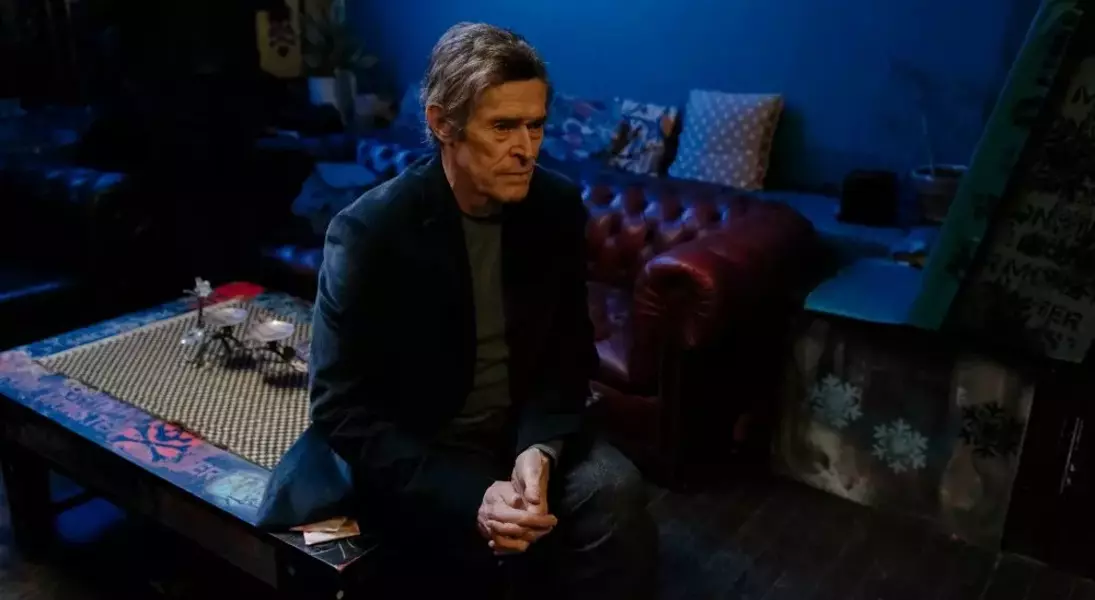
Willem Dafoe, a veteran actor celebrated for his diverse roles, delves into his latest cinematic endeavor, 'Late Fame', where he portrays a poet who has retreated from the limelight. He shares his insights on the nuanced character of Ed Saxberger, a postal worker who once tasted poetic success but now embraces obscurity. Dafoe also reflects on his profound collaborative experiences with distinguished directors such as Robert Eggers and Yorgos Lanthimos, underscoring his fervent commitment to an intense and transformative artistic partnership. His journey from experimental theater to mainstream blockbusters exemplifies a career driven by an unwavering passion for performance.
Willem Dafoe's Artistic Journey and Collaborative Spirit
In a captivating interview, acclaimed actor Willem Dafoe, renowned for his versatile performances, shed light on his role in Kent Jones' forthcoming film, 'Late Fame'. The movie, slated for release on August 7th in New York and August 19th in Los Angeles and other major cities, features Dafoe as Ed Saxberger, a former poet turned postal employee who, despite achieving early recognition, chose a life of quiet anonymity. The narrative explores the disruption of Ed's secluded existence when Meyers, played by Edmund Donovan, an influential figure within an intellectual circle that includes the charismatic but fading actress Greta Lee, seeks him out as an artistic predecessor. This unexpected re-entry into the public sphere prompts Ed to re-evaluate his decision to forsake fame.
While Dafoe himself is not one to shy away from public attention, his character's deliberate withdrawal from artistic pursuits presents a stark contrast to the actor's own continuous engagement with his craft. Dafoe's prolific year includes five other projects in 2026, notably 'Tenzing', where he embodies the leader of the inaugural successful Everest expedition, and 'Werwulf', Robert Eggers' latest venture into gothic horror, set in the 13th century.
Tracing his career back to the vibrant experimental theater scene of 1970s New York, Dafoe has navigated an impressive spectrum of productions, from independent cinema, earning Oscar nominations for 'The Florida Project' and 'At Eternity’s Gate', to large-scale studio films. His recent collaborations with Robert Eggers, including 'Nosferatu', 'The Lighthouse', and 'The Northman', and with Yorgos Lanthimos, such as 'Poor Things' and 'Kinds of Kindness', have proven particularly fruitful. These roles often demand expansive portrayals, a departure from his more introspective and subdued performance in 'Late Fame', where he skillfully embodies the intellectual depth of a poet and the quiet resilience of a man who deliberately chose a modest life.
When questioned about his ability to connect with a character who abandons his artistic calling, Dafoe shared that he found ample parallels in his early experiences within New York's artistic community. He observed many talented individuals who, fueled by youthful passion and unconcerned with career, eventually found peace in a different way of life when their artistic ecosystems evolved. This understanding allowed him to approach Saxberger's journey without judgment, viewing him not as a tragic figure, but as someone who made a conscious choice.
Reflecting on his foundational involvement with the Wooster Group in the 1970s, Dafoe acknowledged the enduring spark of his early artistic energy. He expressed a continuous desire to seek out and collaborate with individuals who possess a similar vibrant enthusiasm, finding inspiration in their fresh perspectives and dynamic approaches. This pursuit of invigorating creative partnerships is a hallmark of his enduring career.
Discussing his frequent collaborations with directors like Yorgos Lanthimos and Wes Anderson, Dafoe emphasized that passion is the paramount quality he seeks in a director. He desires a working relationship that is not merely a job, but a fervent, life-altering experience capable of challenging routines and fostering growth. This intensity, he believes, is essential for truly transformative work.
Dafoe also addressed the distinct dynamics of working on both independent films and major studio productions, such as 'Spider-Man' and 'Finding Nemo'. He noted that while smaller films often offer greater flexibility and unique problem-solving opportunities, larger productions demand meticulous planning due to significant financial stakes. Regardless of the scale, Dafoe highlighted the actor's crucial role in discerning the project's essence, understanding their contribution, and adapting their performance to serve the director's vision. His collaborations with Robert Eggers exemplify this synergy, where Eggers' clear artistic vision and challenging demands push Dafoe to deliver exceptional performances within a meticulously crafted world.
The actor also shared an anecdote about the creation of a pivotal poem in 'Late Fame', which his character reads onstage. This poem, a blend of Dafoe's personal input and Kent Jones' poetic sensibilities, was a collaborative effort to capture Saxberger's emotional arc in an enigmatic yet profound manner, resonating deeply with Dafoe himself.
Willem Dafoe's journey offers a compelling illustration of artistic dedication and the pursuit of profound creative connections. His insights into the contrasting worlds of indie and studio filmmaking, and his unwavering commitment to passionate collaboration, underscore a career built on genuine artistic curiosity and a desire for transformative experiences.
