
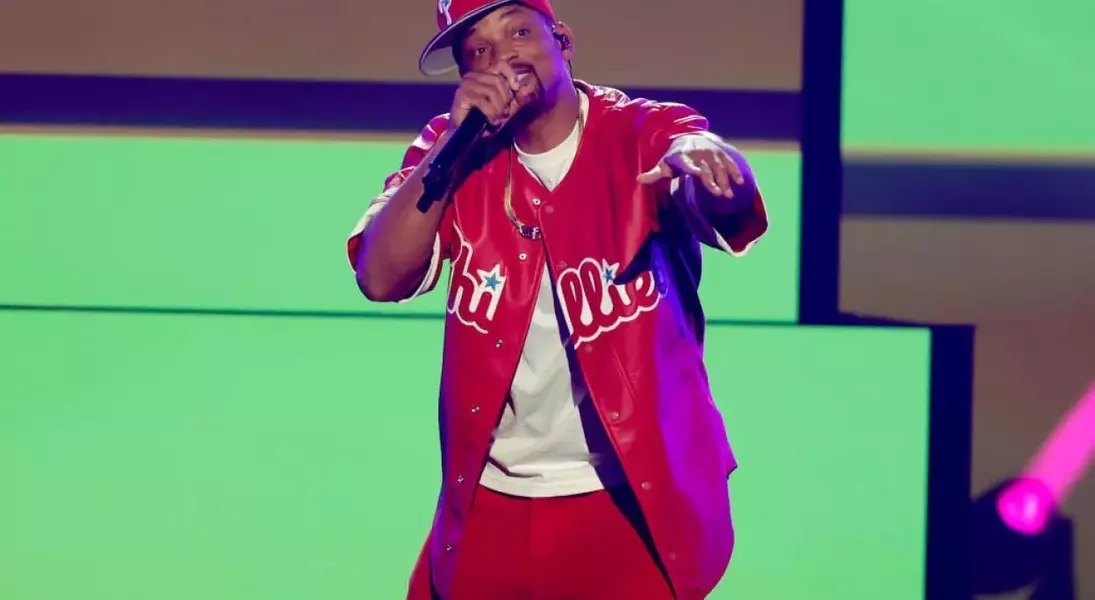

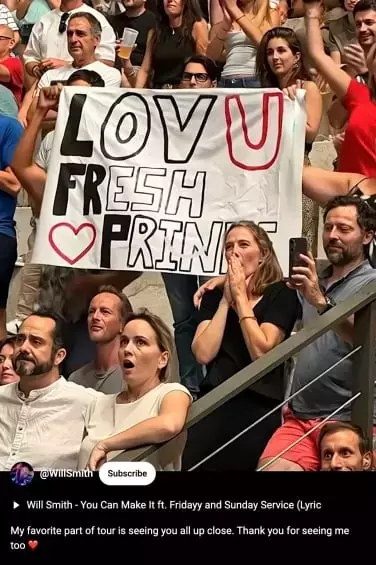
A recently released promotional video for Will Smith's current tour has sparked considerable discussion and controversy, as numerous online observers suggest that the featured concert audience may have been created using artificial intelligence. This contention arises from several visual anomalies, including peculiar facial structures, unnaturally rendered hands, and signs with apparent textual shifts. The widespread skepticism underscores the increasing sophistication of AI-driven media generation and the ensuing difficulty for the public to discern genuine from fabricated content.
This incident is not isolated, as the integration of AI into visual media continues to provoke strong reactions, ranging from concerns about authenticity to broader ethical considerations. The rapid evolution of AI video platforms makes it increasingly challenging to differentiate real footage from synthetic creations, leading to a climate of heightened scrutiny and doubt regarding digital visual narratives.
The Digital Crowd Controversy
In a striking development within the entertainment world, a promotional video for Will Smith's ongoing concert series has drawn significant attention for an unexpected reason: many viewers believe the enthusiastic crowd shown in the footage is a product of artificial intelligence. This suspicion stems from various visual inconsistencies, such as distorted faces, strangely formed hands, and signs that appear to alter their text. The online community has been quick to voice its skepticism, highlighting these visual cues as characteristic markers of AI generation. This situation throws a spotlight on the growing challenge of distinguishing authentic media from computationally created content, especially as AI tools become more advanced and accessible. The reactions from fans and critics alike underscore a collective unease regarding the potential for deception in digital promotion and the blurring lines between reality and simulation in public entertainment.
The controversy surrounding Will Smith's tour video serves as a compelling case study in the evolving landscape of digital media and audience perception. Viewers meticulously analyzed the footage, identifying several tell-tale signs that fueled their suspicions of AI manipulation. These included oddly smooth skin textures, cartoonish expressions on crowd members, and particularly, a sequence where a fan's hand holding a sign appeared to merge with another, accompanied by a seemingly detached third hand. Furthermore, a sign initially legible as “Lov U Fresh Prince” inexplicably morphed into “Lov U Fr6sh Crince” in subsequent frames, further cementing doubts about the footage's authenticity. This level of scrutiny reflects a public increasingly aware of and sensitive to the subtle imperfections that often betray AI-generated visuals. The broad outcry from the public, ranging from accusations of a “humiliation fetish” to laments over the star's perceived decline in authenticity, illustrates a strong negative reaction to the perceived use of artificial crowds, regardless of the actual intent behind the video’s production. This highlights a broader cultural conversation about transparency and trust in celebrity promotions in the age of advanced generative technologies.
Ethical Implications in the AI Era
Beyond the immediate questions of authenticity, the rumored use of AI-generated crowds in Will Smith's tour video initiates a critical discussion about the ethical dimensions of artificial intelligence in public-facing content. This incident, along with others like the use of AI versions of deceased artists in concerts or AI-generated interviews, raises significant concerns about the potential for exploitation, misrepresentation, and the erosion of trust between creators and their audiences. The public's negative response suggests a strong aversion to content that feels inauthentic or manipulative, indicating a desire for transparency and genuine connection in the entertainment sphere. As AI technologies continue to advance, the entertainment industry faces an imperative to define and adhere to clear ethical guidelines to navigate the complex implications of these powerful tools responsibly.
The increasing prevalence of AI in content creation, from video generation to image manipulation, is not merely a technological advancement but a profound societal shift, demanding careful consideration of its ethical ramifications. The backlash against the suspected AI crowd in Smith's video, much like the criticism directed at Rod Stewart's use of AI to feature deceased artists or Jim Acosta's AI interview, reveals a deep-seated discomfort with the digital resurrection or simulation of human presence without explicit consent or clear disclosure. This growing unease points to a broader concern about "AI slop"—a term used to describe low-quality, often deceptive AI-generated content designed primarily for engagement farming. Such practices not only degrade the quality of online information but also actively work to undermine the public's ability to distinguish fact from fiction. As AI tools become indistinguishable from reality, the ethical imperative for creators and platforms to be transparent about their use becomes paramount. Failing to do so risks alienating audiences and fostering an environment where all digital media is viewed with suspicion, thereby jeopardizing the credibility of entertainment and news alike. The ongoing debate surrounding Smith's video serves as a potent reminder that while AI offers immense creative potential, its application must be tempered with ethical responsibility and a keen awareness of public perception.
