The province of Grosseto in Tuscany, Italy, is undergoing a remarkable transformation where nature is progressively reclaiming its territory, challenging the traditional boundaries between wild and human-dominated spaces. This shift is primarily driven by a substantial increase in wildlife populations across Europe, attributed to protective legislation, rural exodus, and changes in farming methods. However, this re-emergence of nature presents complex challenges for human-animal coexistence, as the returning wildlife, including wolves and wild boars, are often not the same species that once roamed these lands, but rather new hybrids with altered behaviors.
Rewilding Europe: Grosseto's Dynamic Landscape and Human-Wildlife Interactions
In the picturesque province of Grosseto, Tuscany, a profound ecological evolution is unfolding. For years, the region has been primarily agricultural, dotted with quaint villages facing increasing elderly populations and economic downturns that led to the closure of local industries. Concurrently, designated natural reserves and expansive woodlands have emerged, transforming vast swathes of abandoned countryside into thriving natural habitats.
Data from Rewilding Europe, a collaborative initiative involving WWF Netherlands, ARK Nature, Wild Wonders of Europe, and Conservation Capital, reveals a significant surge in European wildlife, with populations growing by approximately 40% over the last decade and a half. This resurgence is largely a result of robust wildlife protection laws, particularly those safeguarding wolf populations, alongside the widespread depopulation of rural areas and advancements in agricultural practices that create more space for nature.
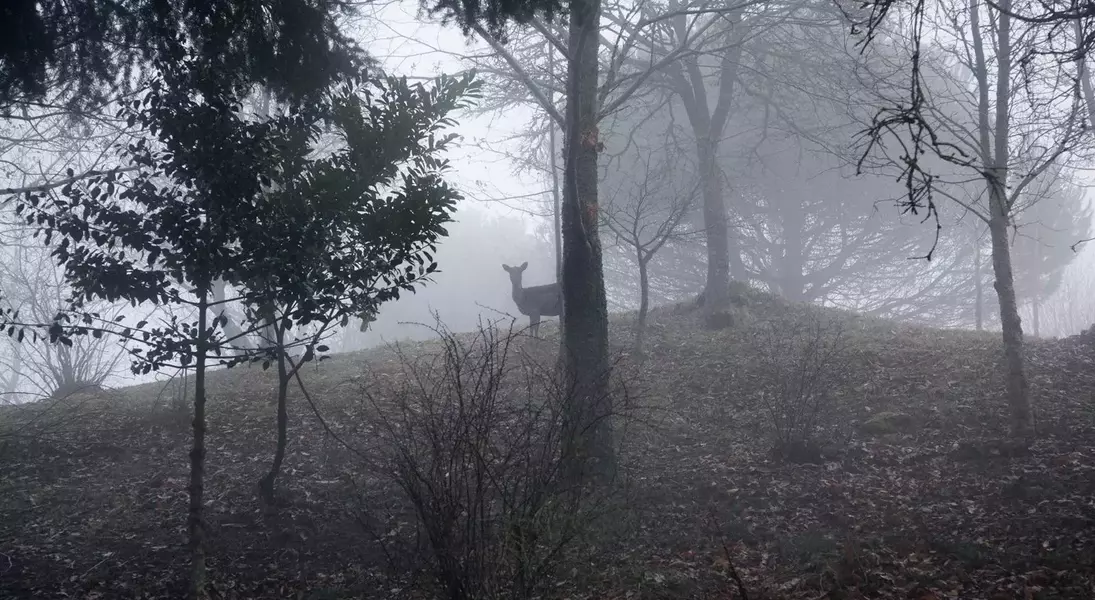
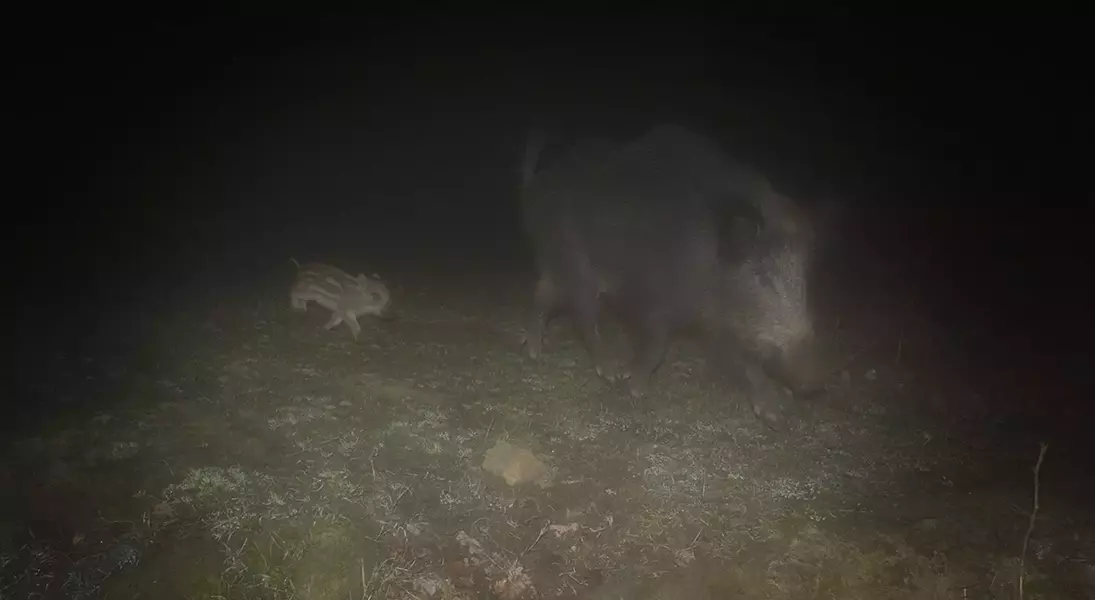
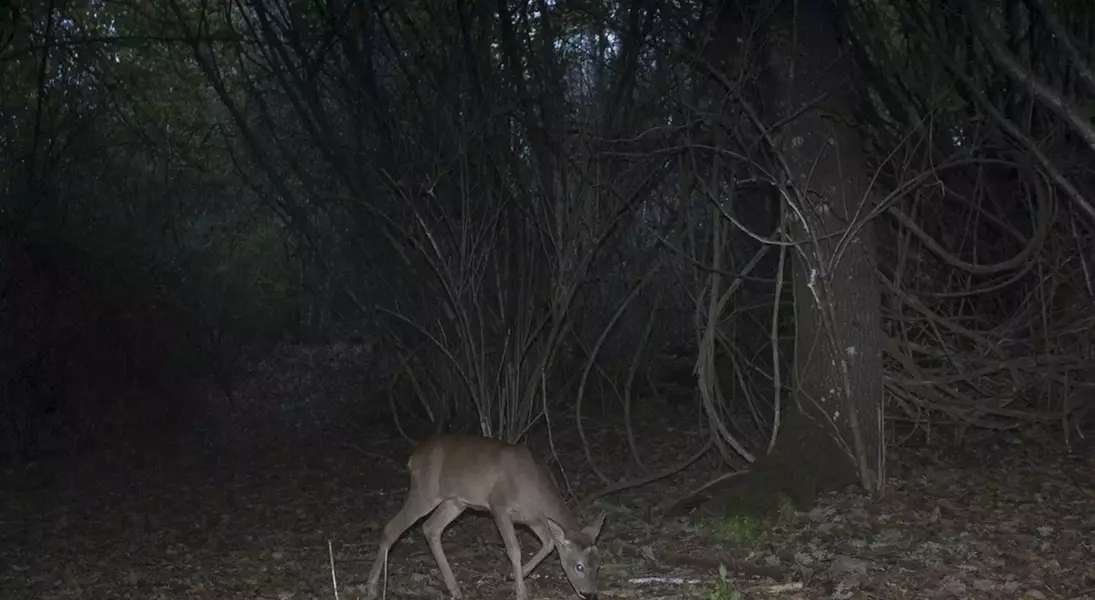
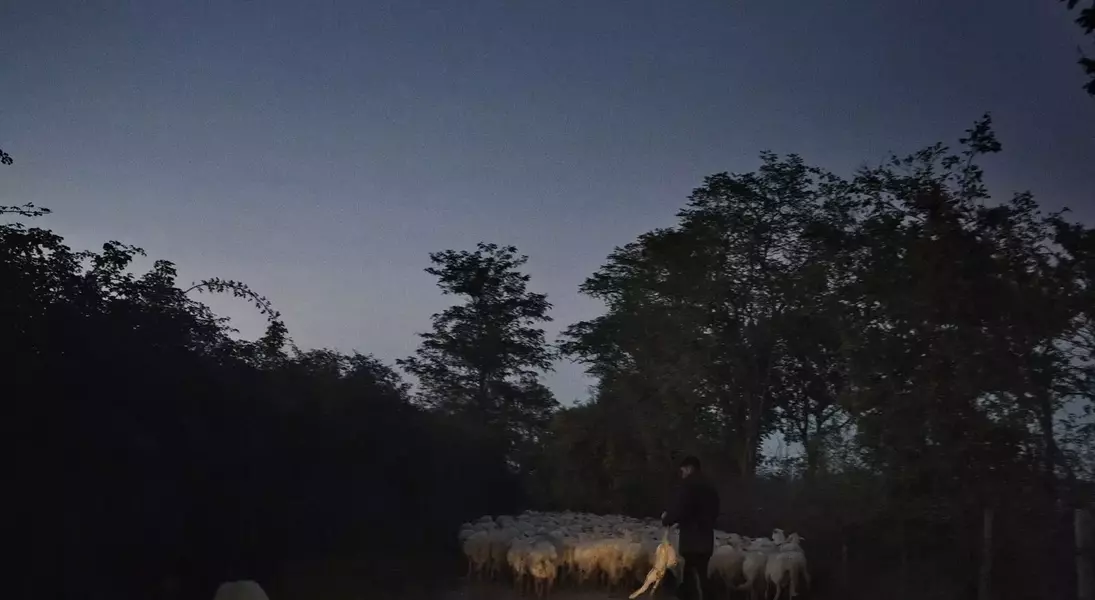
However, this return of the wild is not without its complexities. The delicate balance between humans and animals in Grosseto has become increasingly intricate. Wolves, once on the brink of extinction, have not only rebounded but have also begun interbreeding with domestic dogs, making it difficult to ascertain their genetic purity. This has led to concerns among local shepherds, who report an unprecedented level of aggression from these modern wolf-dog hybrids. Similarly, the wild boar population, augmented by the introduction of Hungarian species in the 1970s and subsequent crossbreeding with domestic pigs, has evolved into a new, distinct type, far removed from their native ancestors. These new breeds, including fallow deer and roe deer, now frequently appear around derelict farmhouses, prompting European initiatives to study these emerging hybrids and their impact on the ecosystem.
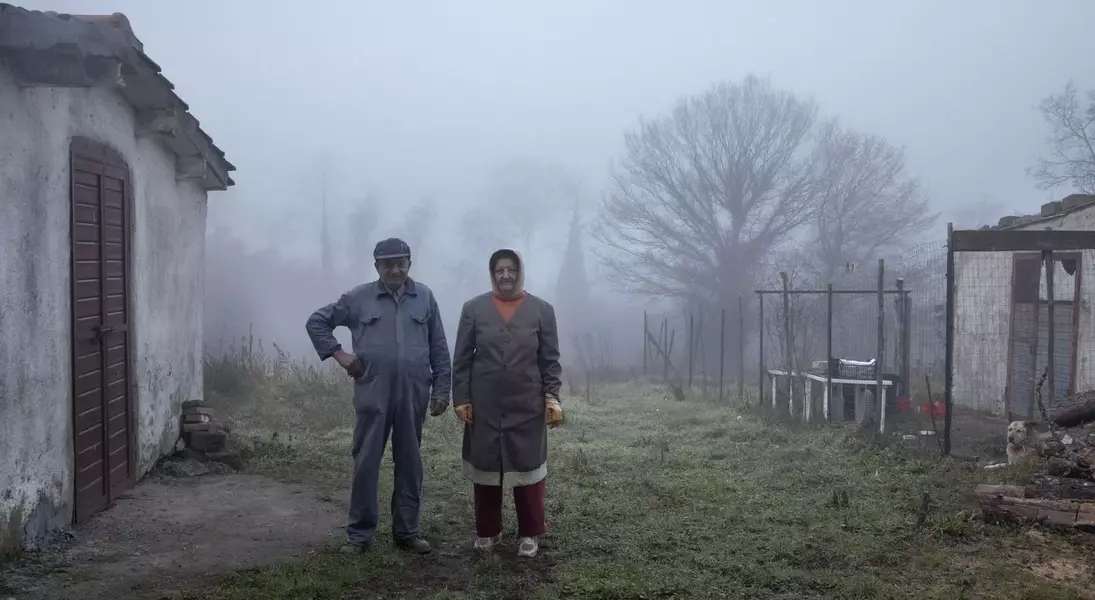
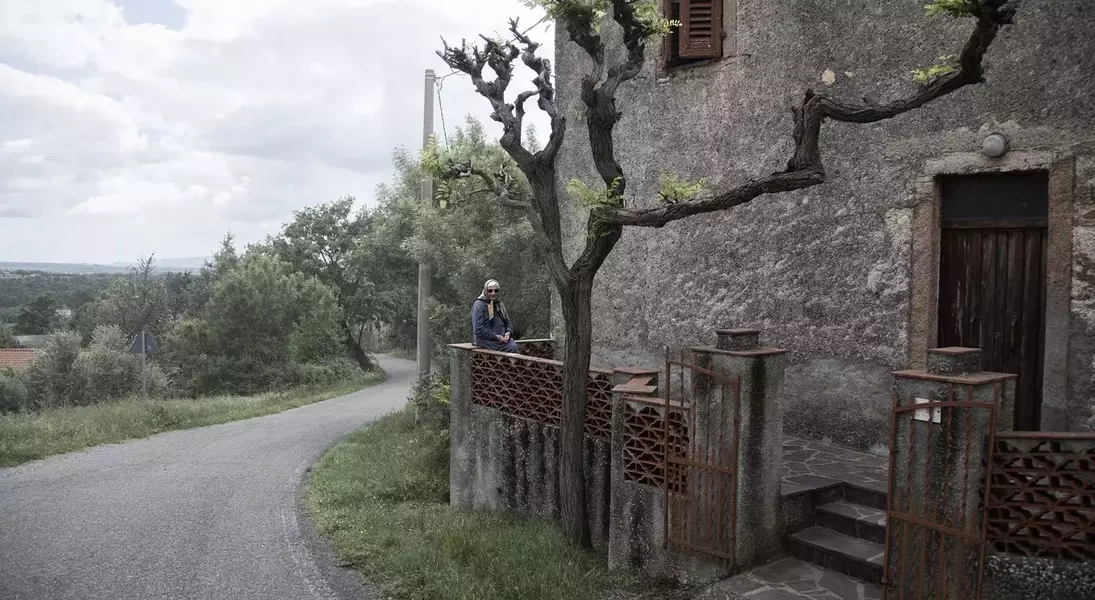
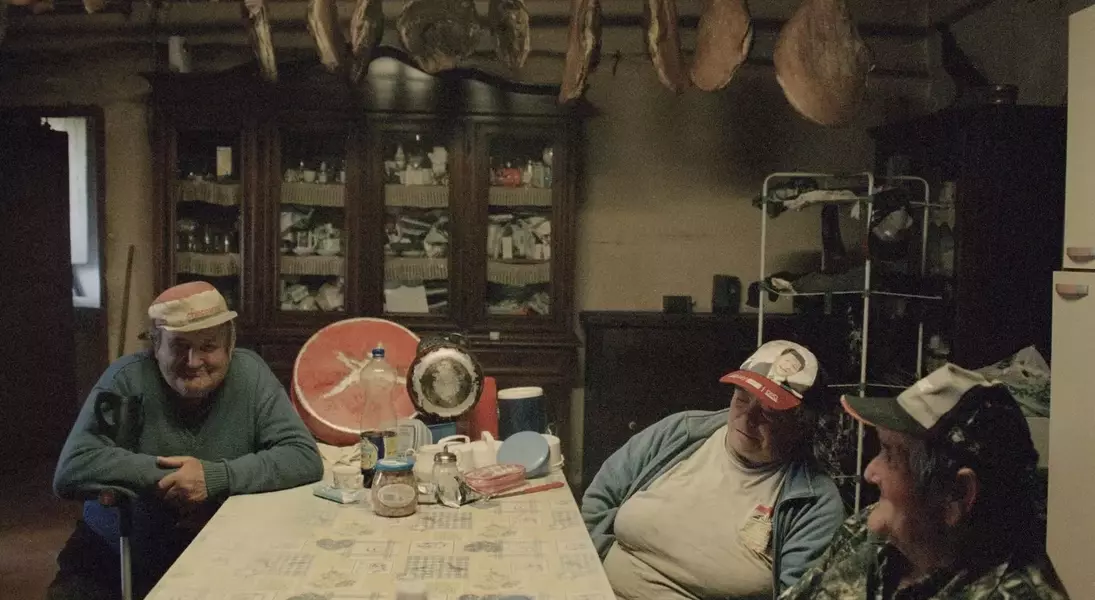
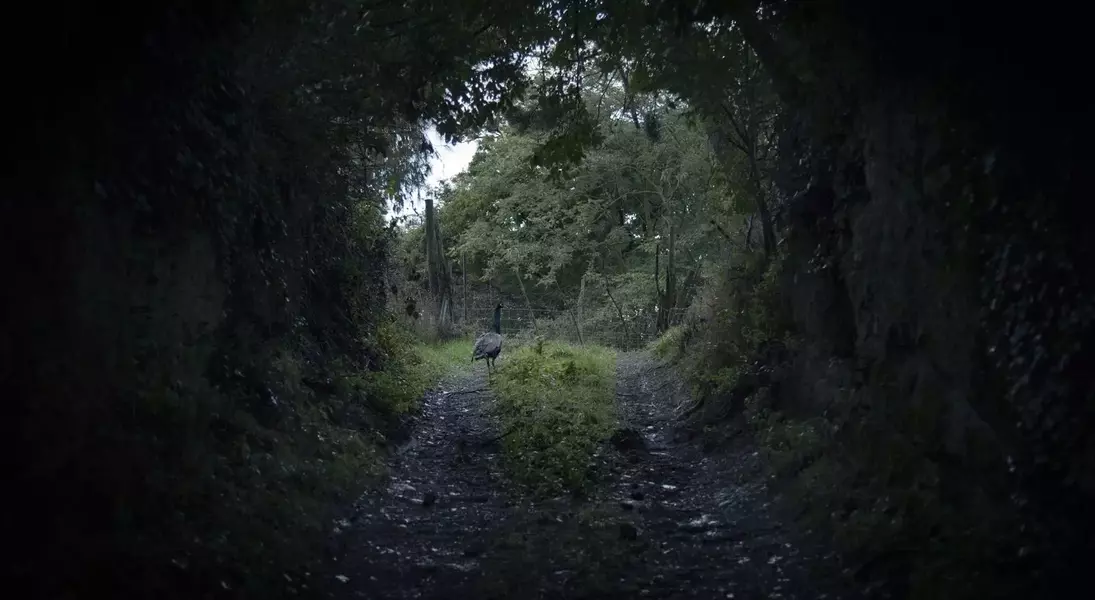
For instance, in Montorio, a sparsely populated village, residents like Dino and Rossana, who have lived there since their marriage, witness these changes daily. Montorio, like many rural areas in Grosseto, suffers from a low population density, with many young people migrating to cities in search of work, leaving behind an aging demographic. Even the peacock, considered a royal animal, roams freely near the ancient castle of Montorio di Sorano, an otherwise uninhabited village save for two families and the owner.
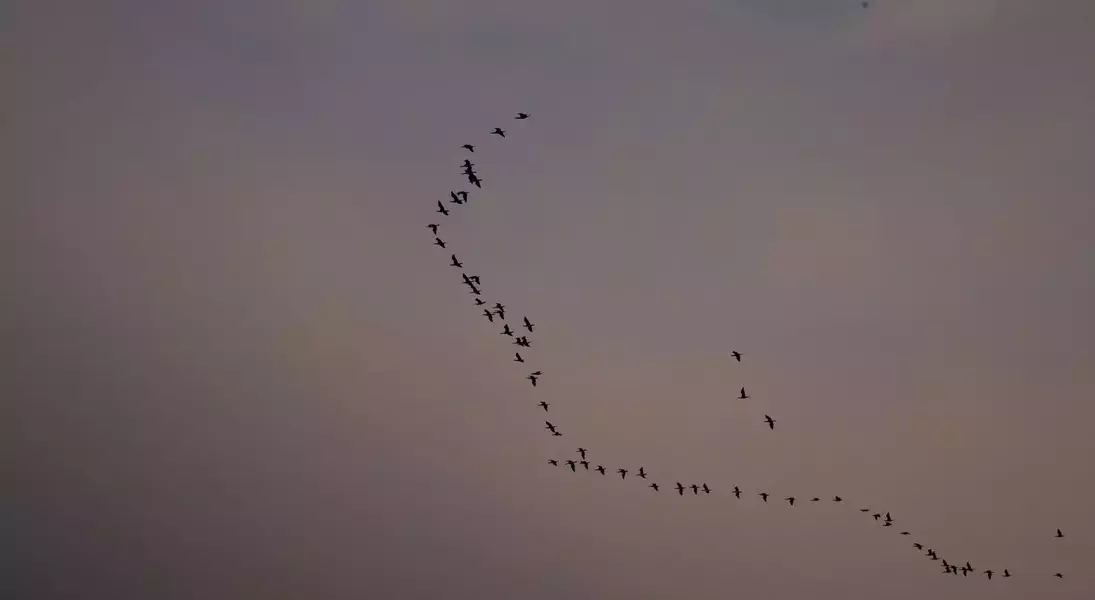
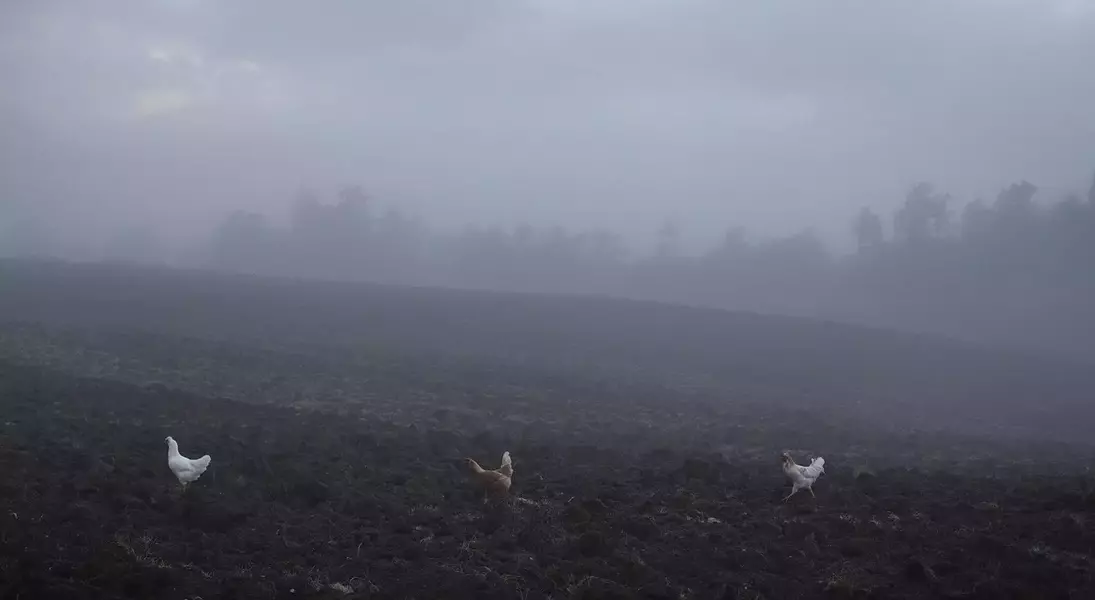
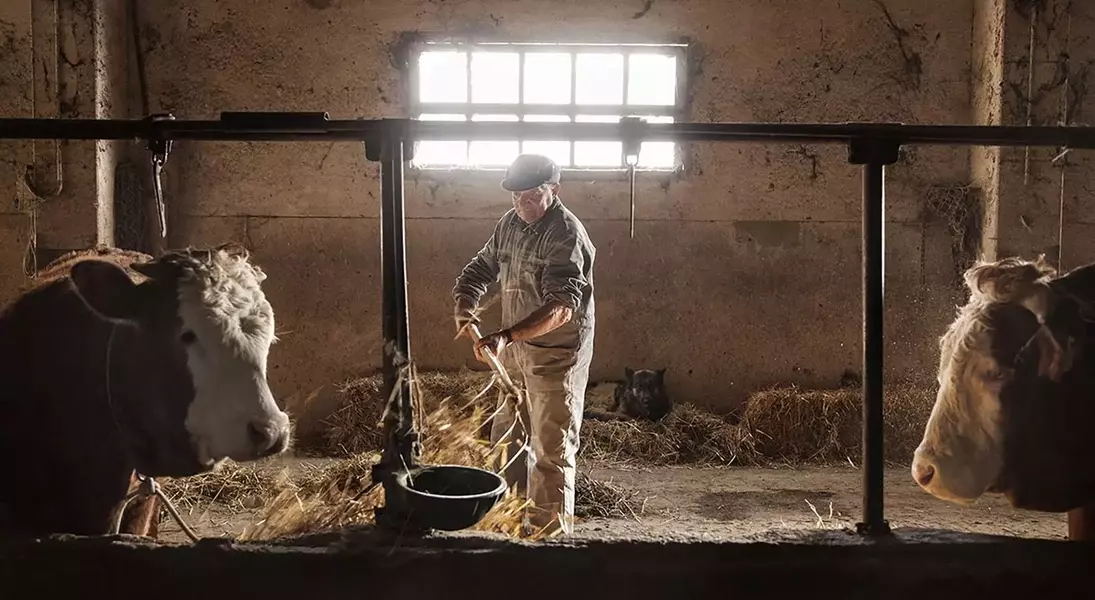
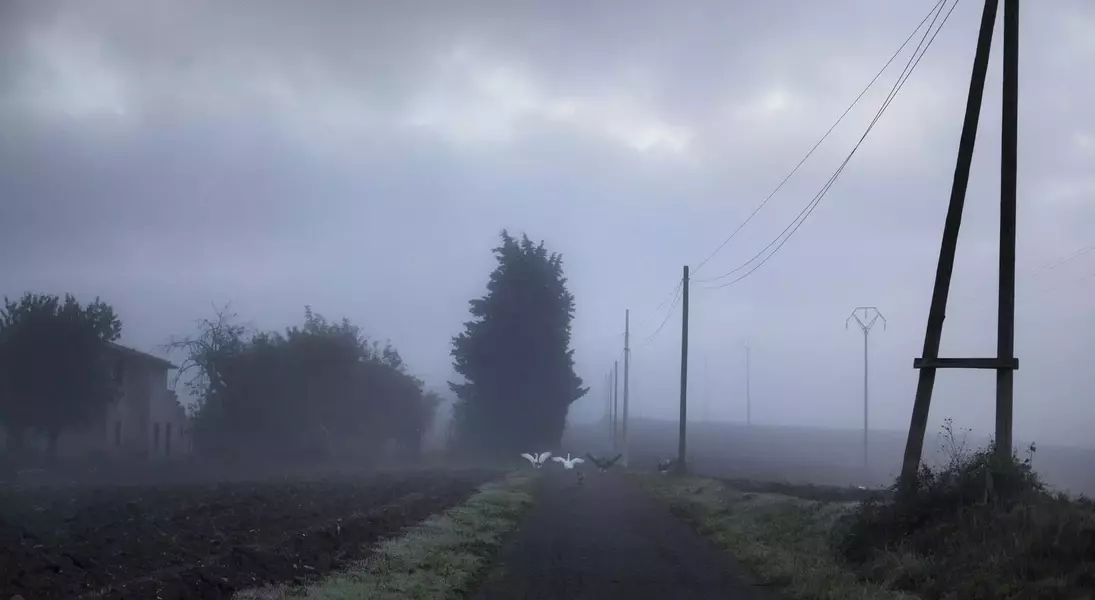
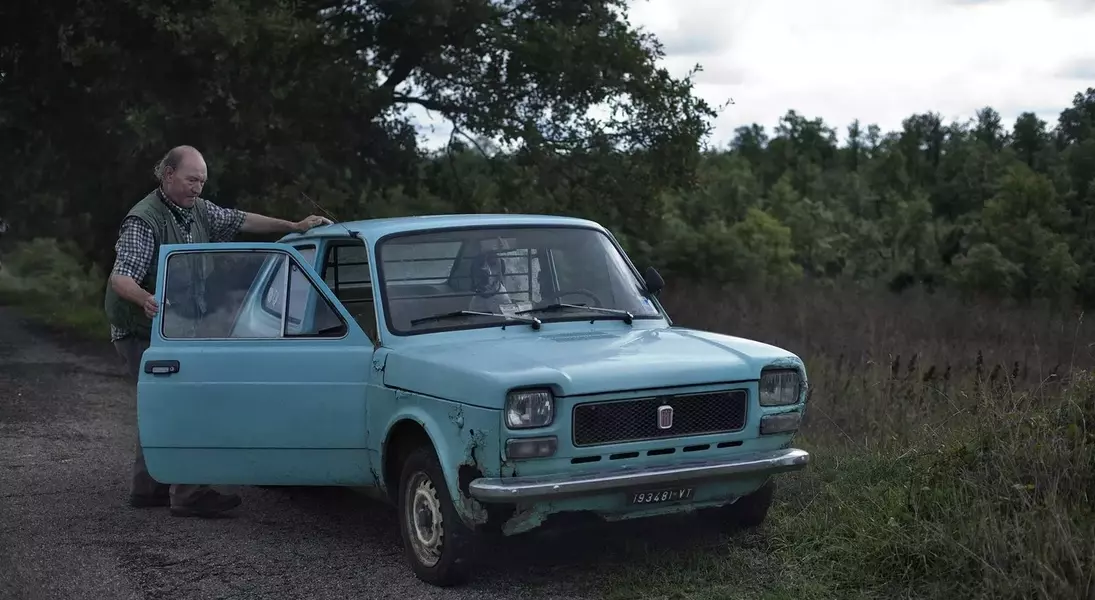
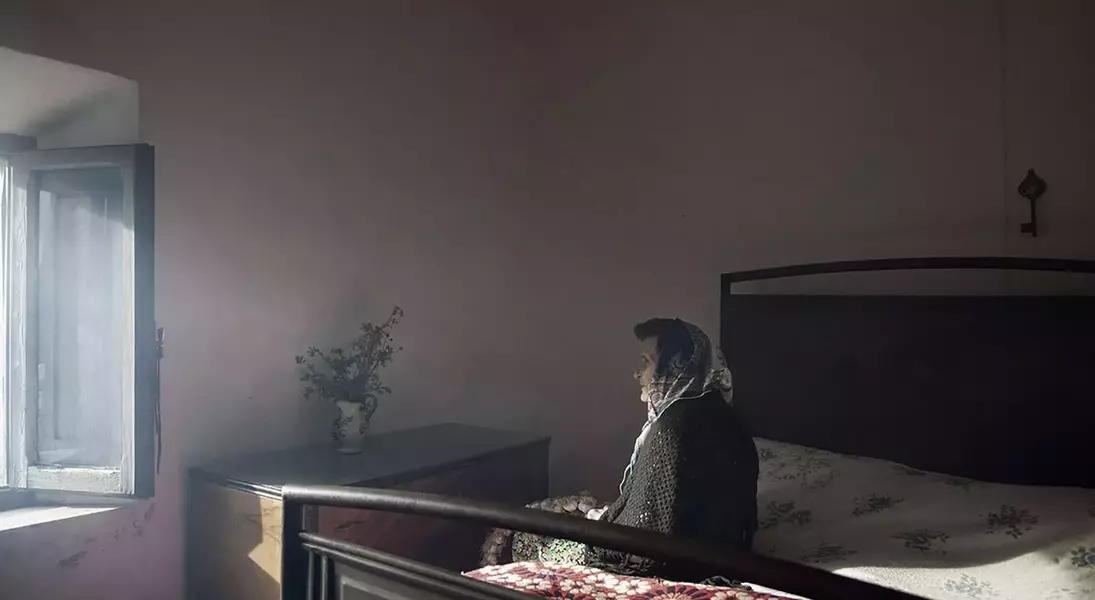
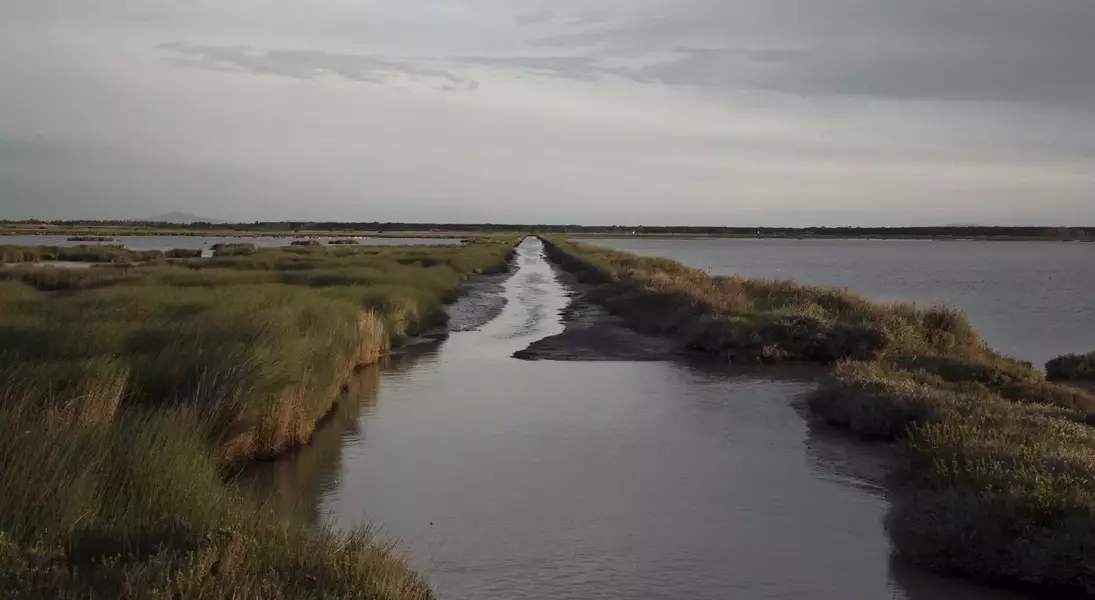
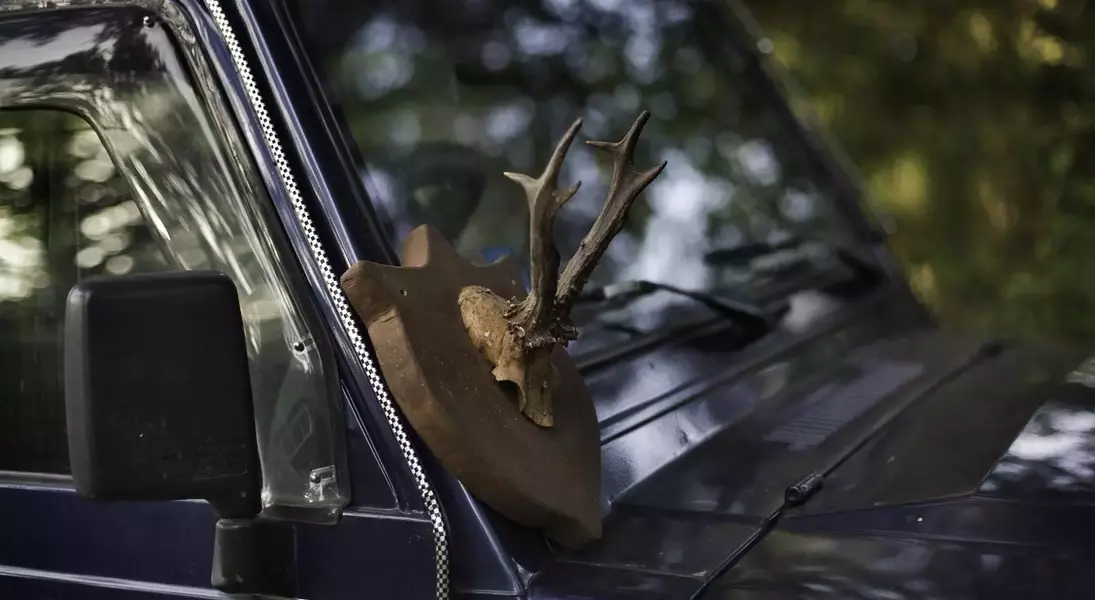
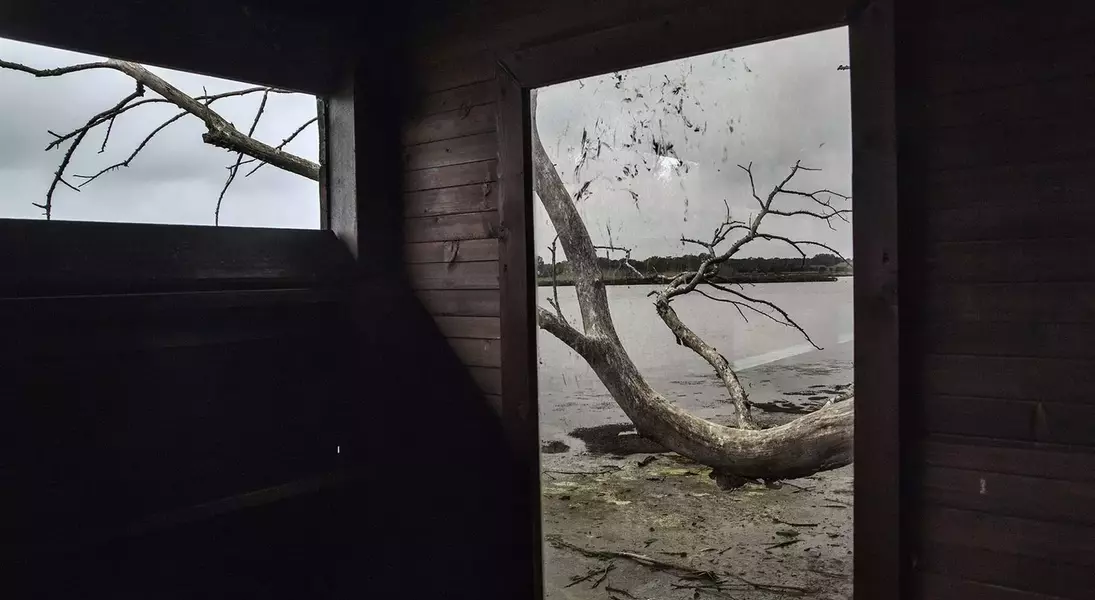
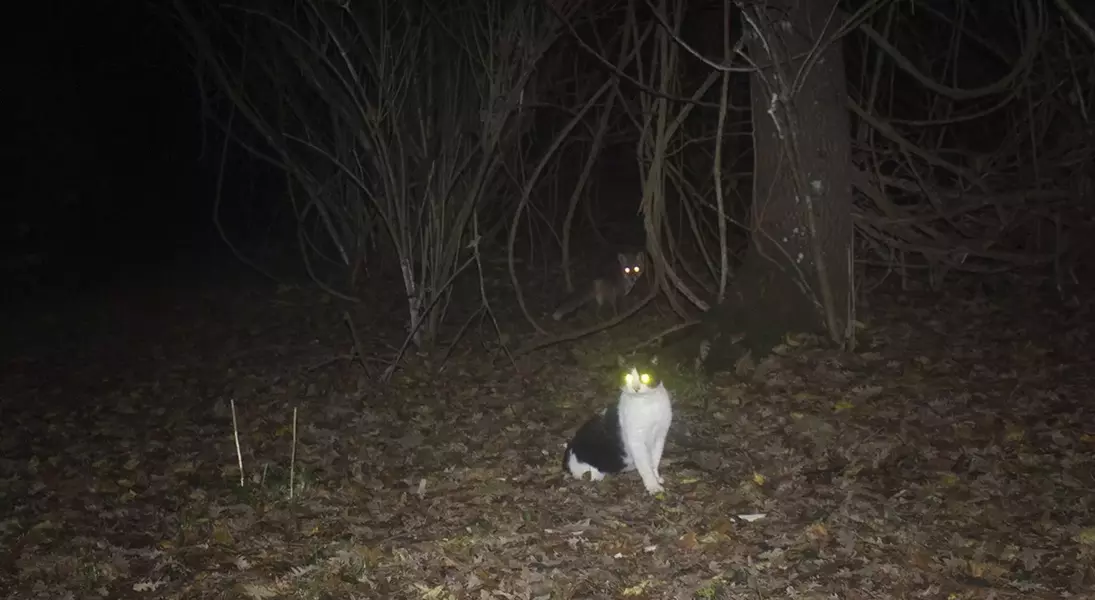
The photographic project, “Once It All Seemed Like Countryside,” meticulously captures the nuanced reality of the Maremman countryside. It illustrates a landscape where forests advance steadily, encroaching upon traditional farmlands, and where animals boldly reclaim unexpected territories. The visual narrative highlights the blurring lines between what is considered wild and what is domestic, underscoring a dynamic interplay that challenges preconceived notions of nature and human habitation.
This ongoing ecological and demographic shift in Grosseto offers a compelling case study of rewilding and human adaptation. It prompts reflection on how societies can harmoniously coexist with a resurgent wilderness, particularly when the very nature of that wilderness is itself evolving through interspecies hybridization and altered behaviors. The challenges faced by the shepherds and the transformation of the wild boar populations are stark reminders that conservation efforts must consider not only the numbers of animals but also their evolving characteristics and their interactions with human communities. Moving forward, understanding these complex dynamics will be crucial for developing sustainable strategies that support both biodiversity and the livelihoods of rural inhabitants.
