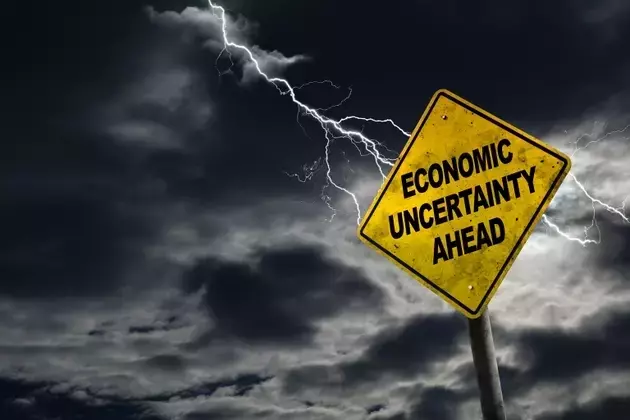
A notable and expanding chasm exists within the modern economy, characterized by the starkly differing trajectories of financial institutions and ordinary citizens. While significant geopolitical tensions persist, concerns surrounding private credit markets deepen, and asset valuations climb to seemingly unsustainable levels, stock markets continue to defy gravity, setting new records. This paradoxical situation underscores a 'K-shaped' economic phenomenon, where prosperity is heavily concentrated in certain sectors while others lag.
Illustrative examples of this growing divergence are plentiful. Major investment banks are reporting unprecedented trading profits and bonuses, reflecting a period of exceptional financial sector performance. Concurrently, indicators of consumer well-being, such as sentiment indices and personal savings rates, have descended to alarming lows. This disparity suggests that the benefits of economic growth are not being evenly distributed, leading to increased financial pressure on a large segment of the population.
The sustained momentum of the current economic landscape appears heavily reliant on the financial health and investment activities of the top echelon of households. Should there be a significant correction in asset prices or a wave of layoffs impacting high-income earners, the delicate balance sustaining this 'K-shaped' recovery could be severely disrupted. Such events would likely exacerbate existing inequalities and pose considerable challenges to overall economic stability.
The current economic environment, marked by a pronounced and growing divergence between the success of financial markets and the struggles of everyday individuals, compels us to consider the broader implications for societal well-being and long-term stability. A truly robust and equitable economy thrives when prosperity is shared more broadly, fostering resilience and opportunity for all its participants.
