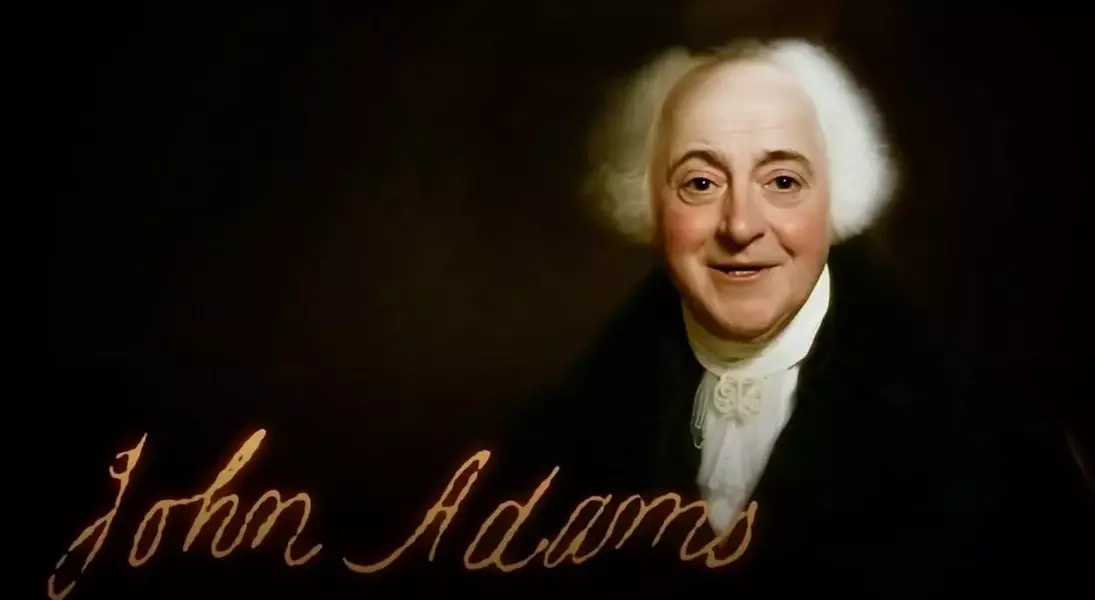
A recent historical display, sponsored by the White House during the previous administration, has introduced a controversial element: artificial intelligence-generated portrayals of pivotal figures from America's formative years. This innovative, albeit contentious, approach to historical representation has ignited discussions about the intersection of technology and educational content.
This innovative exhibition showcases AI-powered video presentations of historical figures, aiming to immerse visitors in cinematic narratives of America's foundational period. However, this modern storytelling method has not been without its critics. Concerns have been raised regarding the accuracy and authenticity of the information presented, particularly when historical figures are depicted uttering phrases or sentiments that are anachronistic or ideologically charged. Furthermore, the visual quality of some AI-generated figures has been described as unsettling, highlighting the current limitations of synthetic media in achieving truly lifelike and historically faithful representations.
The Digital Founding Fathers: A New Exhibit Approach
The \"Road to Liberty\" exhibit, housed within the Eisenhower Executive Office Building in Washington, D.C., employs advanced AI video technology to animate key figures from the American Revolution. Developed by PragerU, a conservative educational organization, the initiative seeks to create an engaging and immersive experience for visitors by presenting history through dynamic visual storytelling. This innovative use of artificial intelligence is intended to make historical narratives more accessible and captivating for a broad audience, transforming static historical accounts into interactive cinematic journeys.
The creators of the \"Road to Liberty\" exhibit emphasize their objective of making historical events more vivid and comprehensible for the American public. By leveraging AI, they aim to bridge the gap between past and present, allowing viewers to conceptually interact with historical figures and pivotal moments. Despite these ambitious goals, the project has drawn criticism, particularly concerning the historical fidelity of the AI-generated content. An example cited is an AI rendition of John Adams delivering a well-known modern political slogan, a clear departure from historical accuracy. This raises questions about the ethical implications of using AI to reconstruct historical dialogue and the potential for such exhibits to inadvertently disseminate misleading information under the guise of education. Moreover, the visual presentation of these AI-generated figures has been noted for uncanny valley effects, including unusual anatomical discrepancies, a common flaw in current AI imaging technology. This visual oddity detracts from the immersive experience and underscores the challenges in producing truly realistic AI-generated human forms, especially for an exhibit with such a prominent institutional endorsement.
Historical Integrity Versus Technological Novelty
The integration of AI into historical exhibits presents a fascinating dilemma: balancing the allure of cutting-edge technology with the imperative of historical accuracy. While the objective of making history more engaging is commendable, the method chosen has sparked a debate among experts and the public alike. The exhibition serves as a case study in how modern technological capabilities can both enhance and potentially distort our understanding of the past.
Experts in the field of history have voiced their apprehensions regarding the exhibit's methodology. While acknowledging the value of initiatives that aim to heighten public interest in the nation's origins and its foundational figures, a consensus of concern emerges regarding the specific execution of this project. The primary worry centers on the potential for AI-generated content to inadvertently or intentionally misrepresent historical facts and the authentic voices of historical personalities. The allure of making history 'come alive' through technology must be meticulously weighed against the obligation to preserve scholarly integrity. There is a fine line between creative interpretation for educational engagement and the introduction of historical anachronisms or ideologically driven narratives. The exhibit, therefore, highlights a critical contemporary challenge: how to harness the transformative power of artificial intelligence in educational contexts without compromising the foundational principles of historical accuracy and authenticity. This ongoing dialogue underscores the necessity for careful consideration and expert oversight in all applications of AI within sensitive fields like historical representation.
