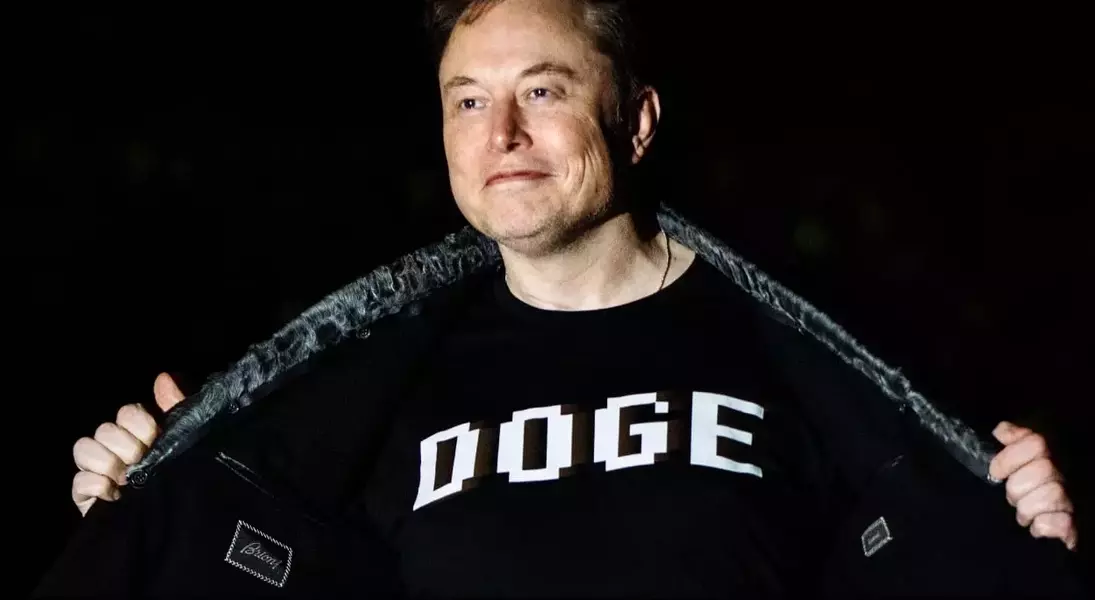
A recent controversy has erupted concerning the Department of Government Efficiency (DOGE), a collaborative effort between former President Donald Trump and entrepreneur Elon Musk. A whistleblower has stepped forward, alleging that this entity has gravely compromised the personal data of millions of American citizens. The accusations center on the unauthorized replication of the entire Social Security database onto an unsecure cloud platform, a move that bypassed established security measures and could expose individuals to significant risks.
Alarming Revelations: Social Security Data Exposed
In a critical development, Charles Borges, serving as the Chief Data Officer for the Social Security Administration (SSA), has come forward as a whistleblower, shedding light on what he describes as severe data security breaches orchestrated by officials within the Department of Government Efficiency (DOGE). The Government Accountability Project, representing Borges, has formally alerted members of Congress and the U.S. Office of Special Counsel to these troubling allegations. The core of Borges's disclosure, which surfaced in recent weeks, is the creation of a 'live copy' of the comprehensive Social Security database within a cloud environment that reportedly lacks adequate security oversight. This replicated database, known as NUMIDENT, contains highly sensitive information for over 300 million Americans, including names, birth details, citizenship status, family information, and contact details. The profound concern is that this insecure environment could become a prime target for malicious actors, potentially leading to widespread identity theft, the disruption of essential healthcare and food benefits, and an enormous financial burden on the government if a mass reissuance of Social Security Numbers becomes necessary. Furthermore, an email from July 15 reveals Aram Moghaddassi, the SSA Chief Information Officer embedded by DOGE, acknowledging and accepting the associated security risks, stating the business need outweighed them. Moghaddassi's prior associations with Elon Musk's companies, X and Neuralink, and his rapid onboarding into a key government role through DOGE, raise further questions about the decision-making processes and the potential for conflicts of interest within this government initiative, which was originally established by the Trump Administration and Elon Musk following the 2024 presidential election with the stated goal of streamlining government operations and reducing waste.
This unfolding situation underscores the paramount importance of robust data security protocols, particularly when dealing with sensitive governmental information. It highlights the potential dangers when expediency is prioritized over meticulous security evaluations, placing millions of lives at risk. The allegations demand an immediate, thorough, and transparent investigation by congressional bodies to ensure accountability and to prevent future compromises of such critical national databases. Public trust in governmental agencies and their partners hinges on their unwavering commitment to protecting citizens' privacy and security.
