In the realm of video games, a natural progression suggests that each new entry in a series should build upon its predecessors, refining mechanics and expanding narratives. Developers typically use initial installments as experimental grounds, gathering player feedback to enhance subsequent releases. This iterative process is theoretically sound, yet the gaming industry often defies such logical expectations, leading to unexpected downturns for once-celebrated franchises.
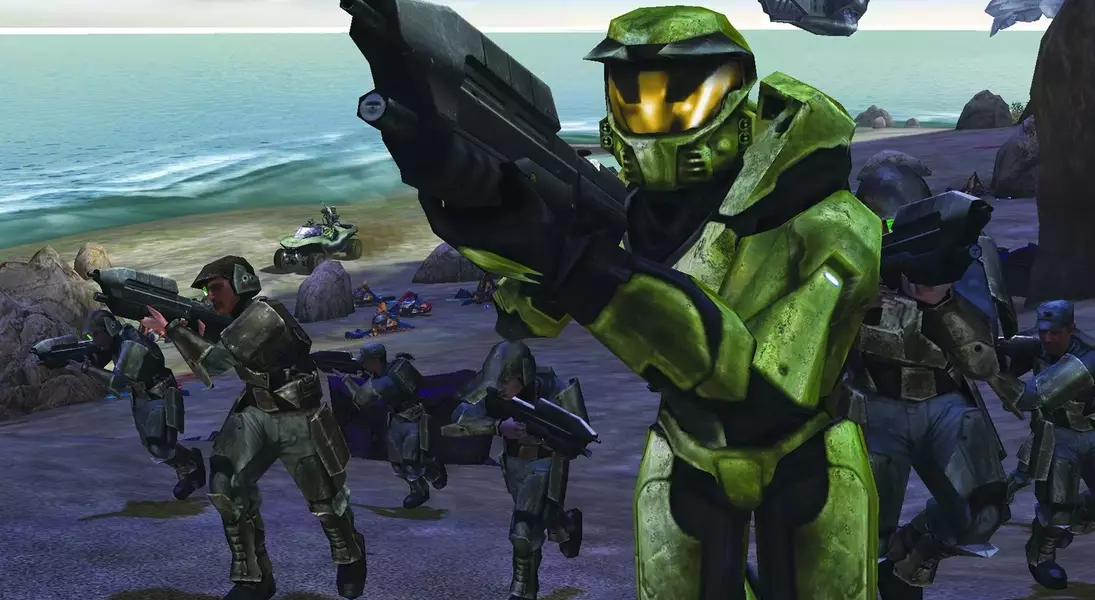
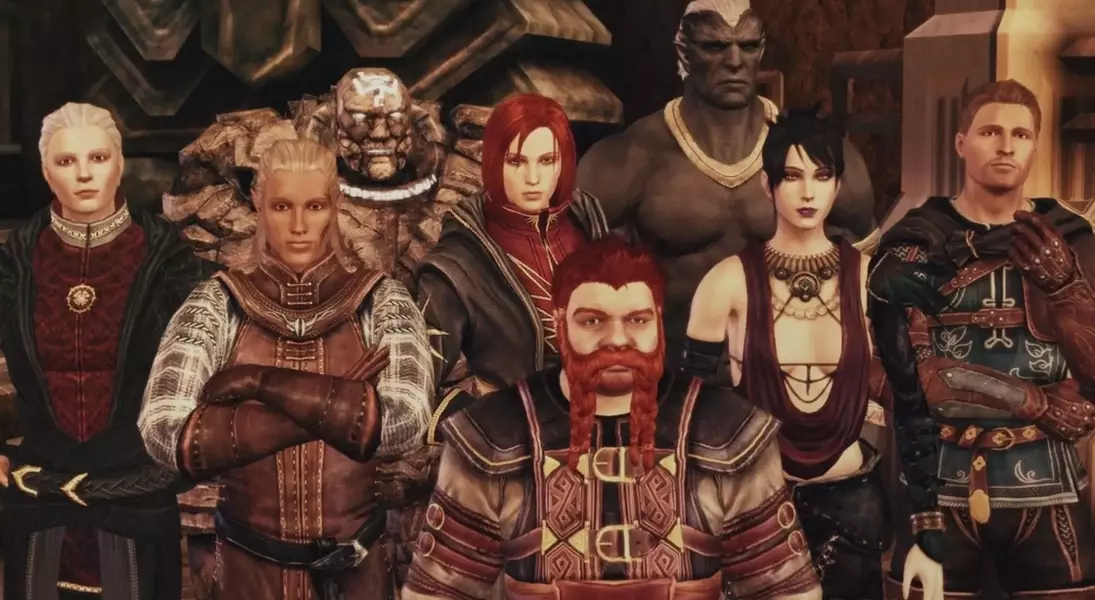
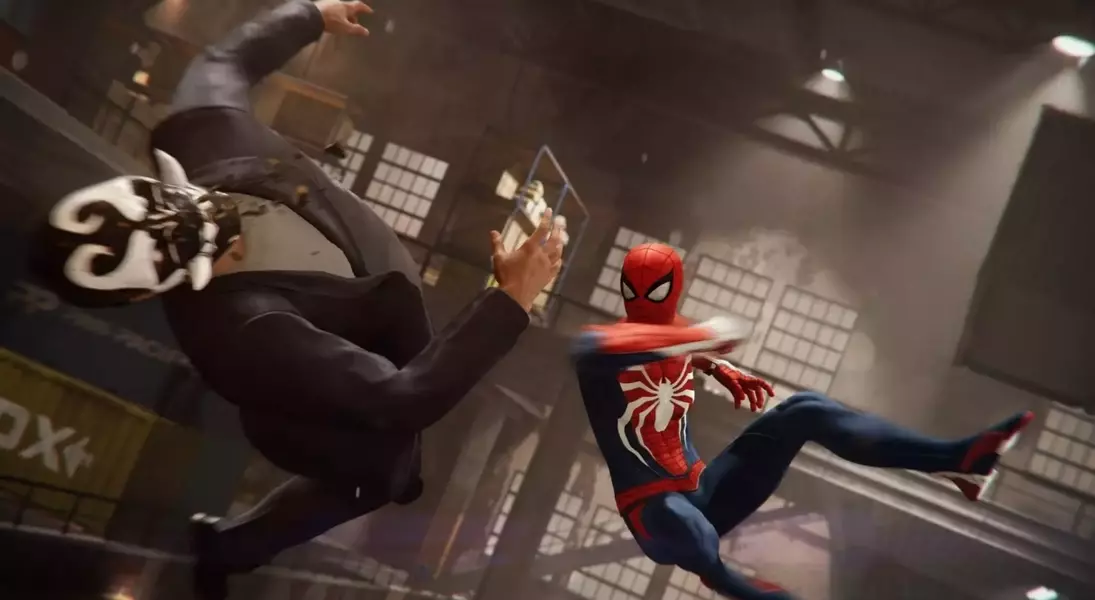
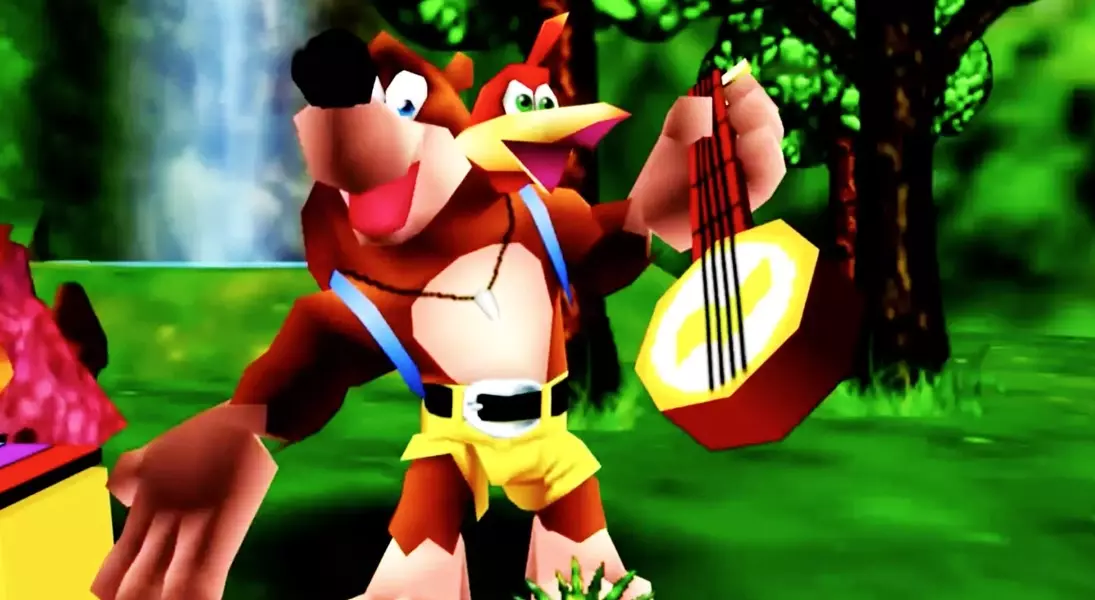
Some game series exhibit a peculiar trajectory, commencing with outstanding debuts only to gradually diminish in quality. This decline can stem from various factors: developers might misinterpret feedback, expanding upon flawed concepts that ultimately overshadow their initial successes. Alternatively, a change in development teams can lead to a loss of the original vision, as new creators may not fully grasp the core elements that initially endeared the franchise to its audience. Regardless of the cause, the end product suffers, leaving a tarnished legacy and fans nostalgic for earlier, better times. Notable examples include the Dragon Age series, which saw a rich RPG experience evolve into something less compelling; Insomniac's Marvel games, which struggled to maintain their initial brilliance across multiple titles; Banjo-Kazooie, a pioneer in 3D platforming that later lost its identity; and the iconic Halo franchise, which, despite its strong beginnings, gradually diverged from its original strengths.
Each of these series provides a case study in the challenges of sustained creative excellence. Dragon Age, for instance, transitioned from deep character customization and impactful choices in 'Origins' to rushed and simplified sequels like 'Dragon Age 2' and the critically divisive 'The Veilguard.' Insomniac's Marvel titles, beginning with the highly praised 'Marvel's Spider-Man,' introduced innovative web-slinging mechanics but were criticized for repetitive side content and narrative inconsistencies that worsened in later installments like 'Spider-Man: Miles Morales' and 'Marvel's Wolverine.' Banjo-Kazooie, celebrated for its vibrant world and satisfying collect-a-thon gameplay, struggled through a clumsy sequel in 'Banjo-Tooie' and subsequent spin-offs that strayed significantly from its successful formula. Even the legendary Halo series, which defined the first-person shooter genre with 'Combat Evolved' and its immediate sequels, experienced a dilution of its core strengths, with later games like 'Halo 5: Guardians' and 'Halo Infinite' focusing heavily on multiplayer at the expense of a compelling single-player narrative and innovative enemy design. These instances underscore that even the most acclaimed franchises are not immune to the pressures of an evolving market and the complexities of long-term development.
The journey of these gaming franchises, though marked by periods of decline, offers a profound insight into the ephemeral nature of creative success and the constant need for innovation. It reminds us that while the past achievements of these series are indelible, their future success hinges on a renewed commitment to core values, player experience, and thoughtful evolution. The industry's capacity to learn from past missteps and forge new, exciting paths for beloved worlds is crucial for inspiring future generations of players and maintaining the vibrant spirit of gaming.