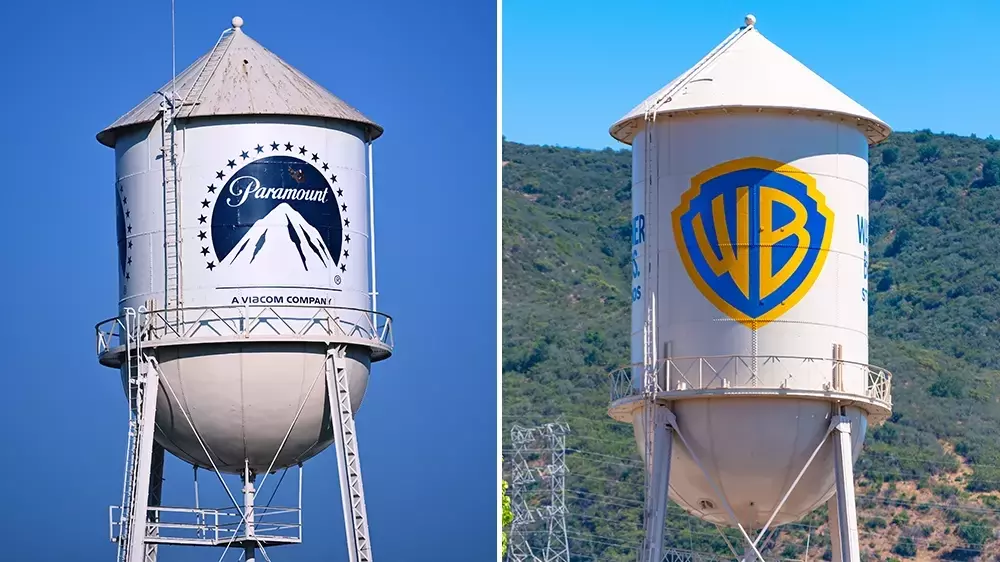
Warner Bros. Discovery is actively exploring strategic options, including a potential acquisition. Several parties have shown interest in acquiring all or part of the company. Among these, David Ellison's recently formed Paramount Skydance has emerged as a prominent contender, making a serious bid for the media powerhouse. Such a consolidation would dramatically reshape the entertainment landscape, bringing together two of Hollywood's most venerable studios, Warner Bros. and Paramount Pictures, and their extensive content libraries. Additionally, it would merge the diverse television networks of Paramount, including CBS, MTV, Comedy Central, and BET, with WBD's array of channels such as HBO, TNT, TBS, Discovery Channel, HGTV, and Food Network. A combined entity would also likely integrate news operations like CNN and CBS News under a single umbrella, and most notably, it is anticipated to fuse HBO Max and Paramount+ into a singular, enhanced streaming platform.
A merger of this magnitude would inevitably result in widespread organizational restructuring and job reductions. The integration of two large corporations would lead to redundant roles across various departments, from studio operations to television and streaming divisions. For context, Paramount Skydance is already planning substantial layoffs, with around 2,000 U.S. positions expected to be eliminated by late October, along with further international cuts. Warner Bros. Discovery itself employed approximately 35,000 individuals by the end of the previous year, while Paramount Global had 18,600 employees, with additional layoffs occurring since then. Despite the profound implications, there is no guarantee that Ellison and his financial backers will successfully secure a deal for Warner Bros. Discovery. WBD has reportedly turned down three prior offers from Paramount, including a recent proposal valuing shares at nearly $24, largely in cash.
Warner Bros. Discovery is simultaneously in the process of dividing itself into two distinct entities: Warner Bros., which will oversee its streaming and studio businesses, and Discovery Global, encompassing most of WBD's television operations. This separation is slated for completion by April 2026. Other companies rumored to be interested in specific WBD assets, particularly the Warner Bros. entity including HBO Max but excluding other TV networks, include Comcast, Amazon, and Netflix. However, Netflix's co-CEO Ted Sarandos has publicly stated that the company is not interested in acquiring traditional media networks, suggesting a full acquisition of WBD by Netflix is unlikely. He emphasized Netflix's selective approach to mergers and acquisitions, evaluating all potential deals based on price, opportunity cost, and available alternatives. WBD's CEO, David Zaslav, affirmed that the company is conducting a thorough review of strategic options to maximize shareholder value, acknowledging the market's growing recognition of its portfolio's worth.
The current situation highlights the dynamic and competitive nature of the entertainment industry, where consolidation and strategic realignments are constant. Such changes, while bringing potential benefits through synergy and expanded reach, also pose significant challenges, particularly for employees and the diverse creative cultures within these organizations. The drive for innovation, efficiency, and expanded global influence will continue to shape the future of media giants, demanding thoughtful leadership and a commitment to fostering a vibrant and inclusive creative ecosystem.
