A notable transformation is underway in the global fashion sector, as an increasing number of esteemed Western designers are accepting creative leadership positions within East Asian companies. This evolving dynamic underscores a significant recalibration of influence within the industry. This shift is not merely about financial incentives, but rather reflects a deeper structural change driven by the expansive creative autonomy, extended strategic timelines, and substantial operational support provided by Asian brands. This stands in stark contrast to the often intense, financially constrained, and short-term focused environments prevalent in traditional European and American fashion establishments. Consequently, this trend fosters a mutually beneficial exchange of innovative talent and sophisticated operational knowledge, reshaping the industry's landscape.
Insight into the New Fashion Landscape
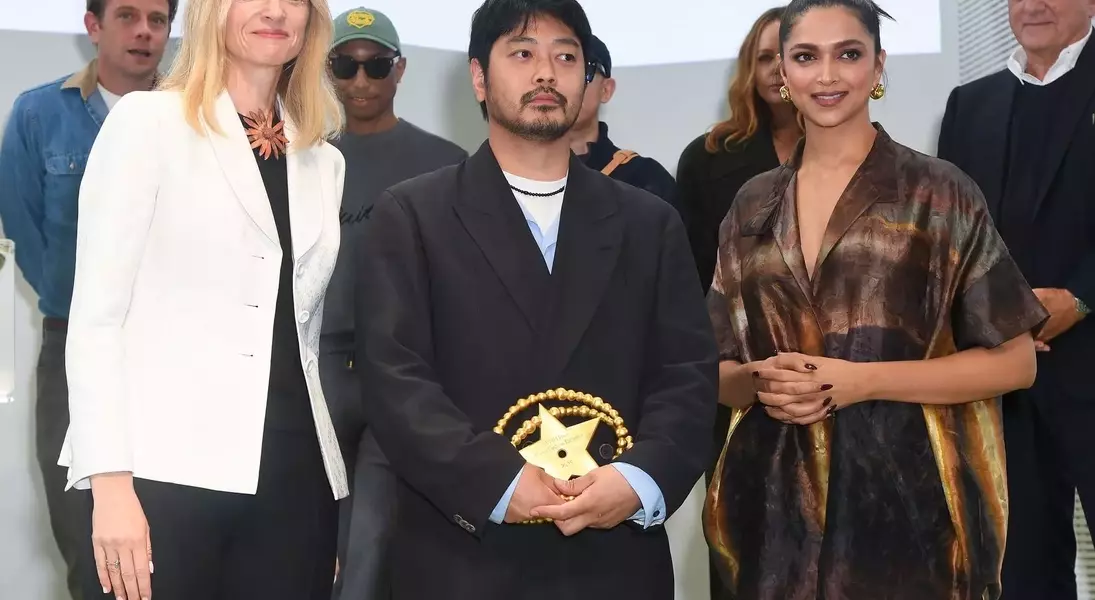
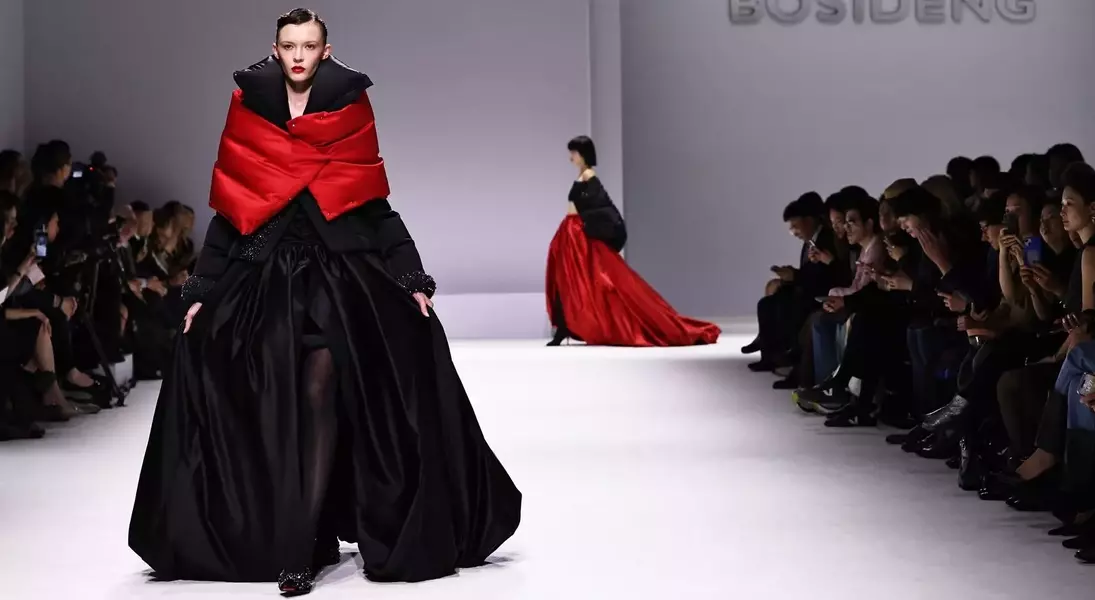
In a recent development, the fashion world saw Francesco Risso, formerly the creative director of Marni, assume the role of creative director for GU, a casual wear brand under Uniqlo's parent company, Fast Retailing. Risso is also set to launch a collaborative line with Uniqlo. This appointment is part of a growing trend that highlights the increasing collaboration between Western design talent and East Asian fashion enterprises. Over the past year, several high-profile movements have further solidified this pattern. In October, Kim Jones took on the creative director role for Areal, a new sub-brand by China's prominent down jacket manufacturer, Bosideng. Prior to that, in September, Kris Van Assche, known for his work at Berluti and Dior Homme, partnered with Chinese sportswear giant Anta for its Antazero line. The year 2025 will also see British designer Daniel Fletcher beginning his tenure as creative director for the Chinese label Mithridate, while Clare Waight Keller was appointed global creative director of Uniqlo in September 2024.
This surge of cross-continental appointments points to a fundamental shift in the industry's center of gravity. According to industry specialists like Yiling Pan, editorial director of Vogue Business in China, and Sonja Prokopec from ESSEC's Academy of Luxury, Asian companies, particularly in China and Japan, are actively seeking to build and mature their brands. They offer designers broader creative mandates, longer project horizons, and greater control over their work. This environment is highly attractive to designers who often face immense pressure for constant innovation and shorter tenures in Western companies. Daniel Fletcher, reflecting on his experience with Mithridate, lauded the scale of operations and the abundant resources available, including a 50-person atelier. He noted that this setup allows him to concentrate more on design and idea development, bypassing the production challenges often encountered in Europe. Experts also differentiate between the operational styles of Chinese and Japanese companies; Japanese firms, while more conservative, prioritize design and creativity, offering designers more freedom from financial and marketing pressures. Chinese companies, conversely, are characterized by their dynamic 'China speed,' enabling rapid product development and market entry, although decision-making processes can be less transparent. The success for Western designers in Asia, particularly in China, hinges on their ability to create collections that resonate with the local consumer's lifestyle and cultural preferences, a learning process that Daniel Fletcher describes as integral to his role.
This trend represents more than just a talent acquisition; it's a strategic move for East Asian fashion companies to integrate global design processes, refine collection architectures, optimize runway-to-retail strategies, and enhance international media presence. This allows them to achieve global recognition and brand maturity without merely imitating European luxury models. The flow of talent is bidirectional, with Western luxury groups increasingly turning to Asian designers and establishing Asian design hubs to tap into fast-evolving trends. While Europe retains significant symbolic authority in luxury, the escalating prices and declining cultural relevance of some European brands are opening doors for consumers and designers to explore opportunities elsewhere. This indicates a future where the global fashion narrative is increasingly diversified, with Asia playing a more central role in shaping its creative and commercial direction.
