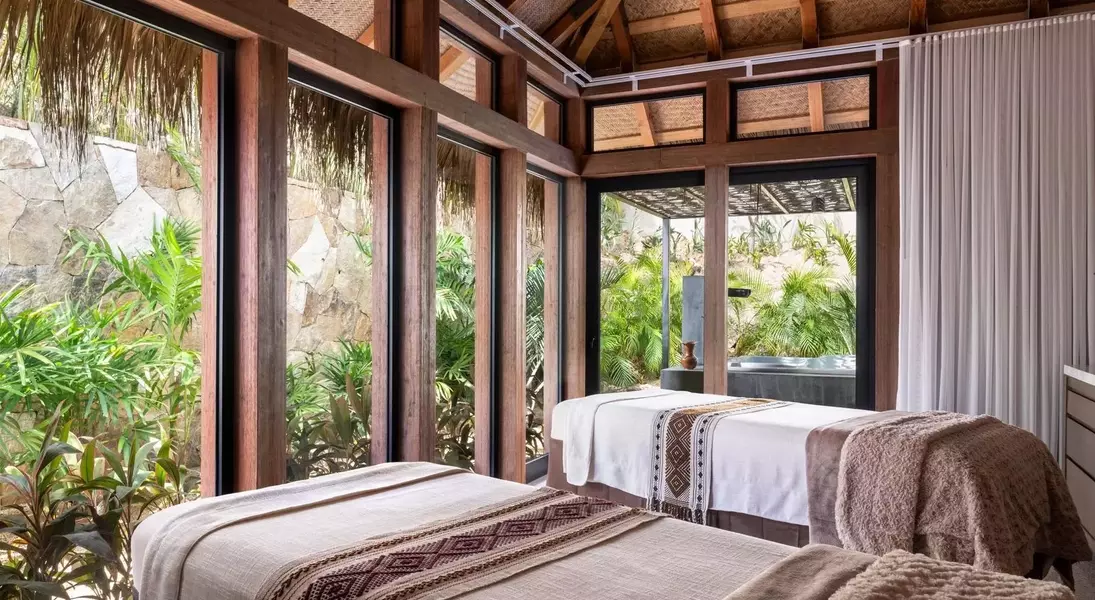

In an increasingly demanding world, the pursuit of tranquility and mental resilience has led many to specialized wellness retreats. These programs offer a structured escape from daily pressures, providing tools and techniques to mitigate stress and foster a deeper sense of well-being. From personalized coaching to mindful practices and nutritional guidance, these sanctuaries aim to recalibrate the nervous system and enhance one's capacity for calm. The efficacy of such retreats is underscored by a growing understanding of the physiological impacts of chronic stress, particularly concerning hormone regulation. By integrating scientific insights with holistic approaches, these experiences empower individuals to cultivate sustainable habits for a more balanced and centered existence, even long after they return to their everyday lives.
The Science Behind Stress and the Role of Wellness Interventions
The contemporary landscape often subjects individuals to relentless stressors, leading to elevated anxiety levels and potential health consequences. Research indicates a significant rise in anxiety over recent decades, with chronic stress being linked to inflammation and accelerated cognitive decline. Cortisol, a crucial hormone governing circadian rhythms and stress responses, becomes a central focus. While acute cortisol spikes are a natural bodily defense, prolonged elevation due to psychological stress—such as demanding work environments or familial concerns—can lead to adverse effects like insulin resistance, weight gain, disrupted sleep, and heightened anxiety and depression, perpetuating a cycle of stress. Understanding these physiological mechanisms highlights the critical need for effective stress management strategies.
Healthcare professionals, including endocrinologists, emphasize that while severe cortisol-related medical issues are uncommon, managing stress is paramount for those caught in a perpetual state of 'fight-or-flight.' The article illustrates this point through the personal journey of an individual participating in a wellness retreat at Zadún, a Ritz-Carlton Reserve in Los Cabos. Here, an individualized program, the Sensei Rest and Reset Program, uses data-driven methods, including biofeedback devices that monitor heart rate variability during breathing exercises, to help participants understand and regulate their body's stress responses. This personalized approach, combining one-on-one coaching, physical classes like yoga, and therapeutic spa treatments, directly addresses the underlying causes of stress and provides actionable techniques for nervous system regulation, fostering a more resilient and peaceful state of mind.
Holistic Approaches to Restoring Inner Balance
The increasing recognition of stress's detrimental effects has spurred the hospitality industry to develop comprehensive wellness programs centered on nervous system regulation. Hotels worldwide are launching initiatives that go beyond superficial relaxation, offering deep dives into mental well-being. These programs often incorporate breathwork, behavioral therapy, and mindfulness training to build resilience. Examples include executive-focused programs in Germany and stress-release retreats in Northern Italy, with some even offering cortisol testing to monitor individual progress. These retreats affirm that while eliminating all stress may be impractical, employing effective management techniques can significantly enhance the body's ability to recover and adapt, ultimately leading to improved health and longevity.
The article highlights that key to managing stress and cortisol levels are practices such as mindfulness, meditation, and various relaxation techniques, which show robust scientific backing. Even for individuals who typically find it challenging to remain still, the immersive environment of a retreat facilitates engagement with these calming activities. A particularly impactful example is the 'Love and Kindness' meditation, a practice cultivating empathy towards oneself and others. Studies have shown that even brief sessions can reduce stress, promote healthier aging, and strengthen social bonds. Beyond the structured therapies, the integration of mindful eating practices, as exemplified by a sensory dining experience focused on savoring each bite and recognizing hunger cues, plays a vital role. Nutritionists underscore the importance of dietary patterns, like the Mediterranean diet, known for its association with lower cortisol levels, and specific nutrient-rich foods, such as magnesium-rich leafy greens and flavonoid-packed berries, which support stress response and reduce inflammation. Ultimately, these retreats offer not a quick fix, but a foundation of practices—from mindful breathing to balanced nutrition and self-compassion—that empower individuals to sustain inner peace long after their return home.
