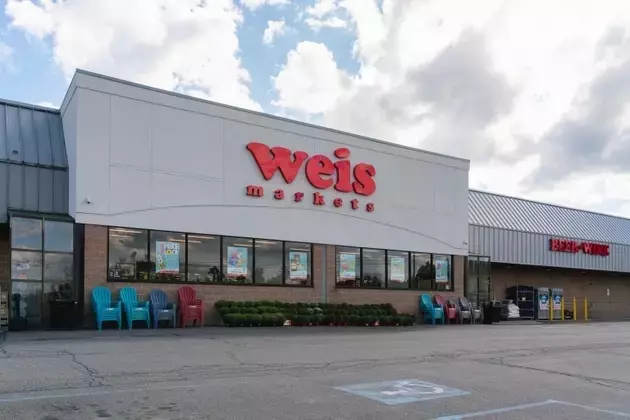
Weis Markets, Inc. currently displays a valuation that surpasses historical benchmarks within its sector, suggesting an elevated market price. The company's operational growth potential appears constrained, with modest forecasts for future expansion. This premium valuation, coupled with limited growth prospects, warrants a careful assessment of its market position and intrinsic value.
The company's shareholder returns face challenges, primarily due to a slow pace of dividend growth. Over the past decade, the compound annual growth rate for dividends has been quite low, indicating a subdued return for income-focused investors. Furthermore, recent share buyback initiatives seem to be isolated events rather than a consistent strategy, thus providing minimal long-term catalysts for enhancing shareholder value. This situation places pressure on the company's appeal as a stable, income-generating investment.
Despite ongoing initiatives to enhance the quality of its retail spaces and maintain consistent profit margins, Weis Markets has experienced sluggish sales growth in its existing stores. Over the last two years, same-store sales have increased by a small percentage, reflecting a challenging retail environment. The company also continues to grapple with intense pricing competition, which further limits its ability to expand profitability. Consequently, a 'Sell' rating is warranted, with an estimated fair value of approximately $75 per share. This suggests a potential downside from its current trading price of around $80, with no clear indicators of significant gains in the near future.
In today's dynamic market, companies must not only demonstrate solid financial performance but also a clear vision for sustainable growth and compelling shareholder returns. Weis Markets' current situation highlights the importance of market adaptation and strategic innovation to overcome competitive pressures and drive long-term value. Investors often seek businesses that show consistent progress and a commitment to rewarding their shareholders, making the company's current trajectory a point of concern.
