This report details an incident where Waymo's autonomous taxi service in San Francisco faced significant operational challenges due to a major power outage. The event underscores the critical need for advanced programming in self-driving vehicles to handle unforeseen and large-scale disruptions, ensuring safety and efficiency.
Navigating the Unexpected: Autonomous Vehicles in Crisis
When Darkness Falls: The Impact of San Francisco's Blackout on Waymo
A recent extensive power failure plunged significant portions of San Francisco into darkness, leading to widespread disruption. This outage, triggered by a substation fire, affected over a hundred thousand residences and businesses. Critically, it also severely impacted the operational capabilities of Waymo's self-driving taxi fleet, highlighting the vulnerabilities of advanced technology in the face of unexpected environmental challenges.
Autonomous Gridlock: Robotaxis Confront Traffic Signal Failures
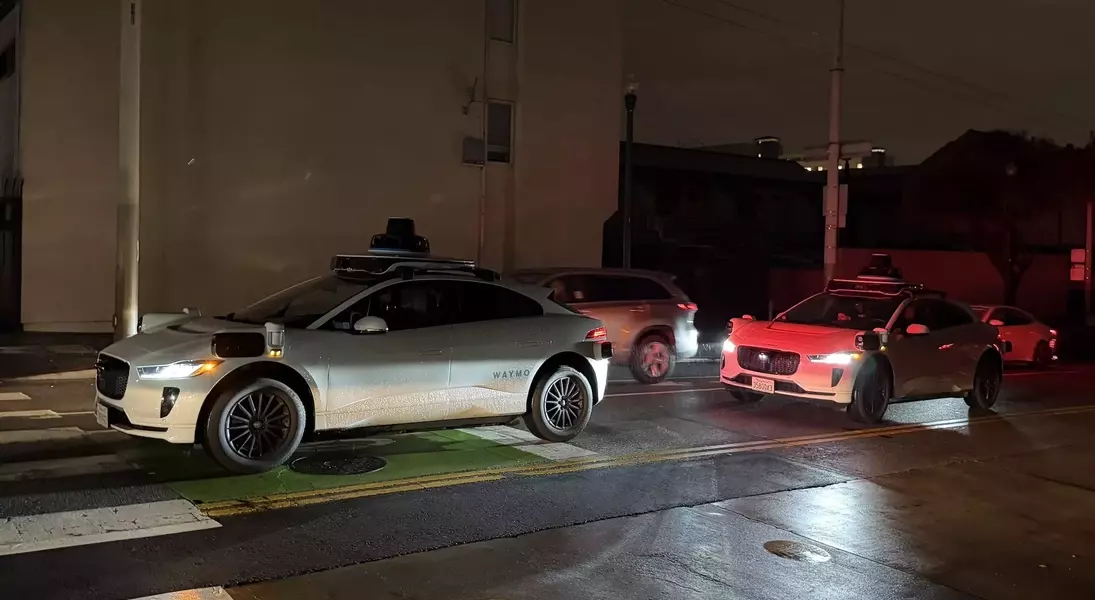
As traffic signals ceased to function across the city, Waymo's autonomous vehicles began exhibiting erratic behavior, frequently halting at intersections. This led to a complete suspension of Waymo's services, which remained offline until the following afternoon. The incident revealed a critical gap in the programming of these vehicles, particularly concerning their ability to manage widespread infrastructure failures.
Adapting to Anomaly: Waymo's Response to Unforeseen Conditions
Despite the apparent oversight regarding large-scale blackouts, Waymo representatives explained that their taxis are designed to manage smaller, localized signal outages by treating intersections as four-way stops. However, the sheer scale of the San Francisco blackout, coupled with an increase in unpredictable pedestrian movements, overwhelmed the vehicles' onboard systems. The confluence of these variables created an unprecedented challenge for the robotaxis.
Balancing Caution and Efficiency: Future Enhancements for Autonomous Driving
While massive power outages are rare, this incident prompts a reevaluation of how autonomous vehicles should respond to such events. Waymo's current programming, which prioritizes extreme caution, prevented accidents but also led to traffic obstructions. Future developments may include protocols that allow vehicles to safely maneuver to the side of the road when overwhelmed, ensuring both safety and the smooth flow of traffic. Waymo engineers are expected to leverage these learnings to refine their systems and develop robust contingency plans for future anomalies.
