
This comprehensive analysis delves into the trends observed at a major watch exhibition, examining 123 new timepieces to uncover the shifting dynamics of the industry. The findings reveal a clear movement towards more luxurious and high-end offerings, impacting everything from the aesthetics of watch faces to the materials used in their construction and their final retail prices. This detailed investigation offers a snapshot of the current landscape, indicating where leading brands are focusing their innovation and marketing efforts.
Detailed Report on Watch Exhibition Insights
At a prominent watch fair, a meticulous study of 123 new releases from various leading manufacturers unveiled several compelling trends.
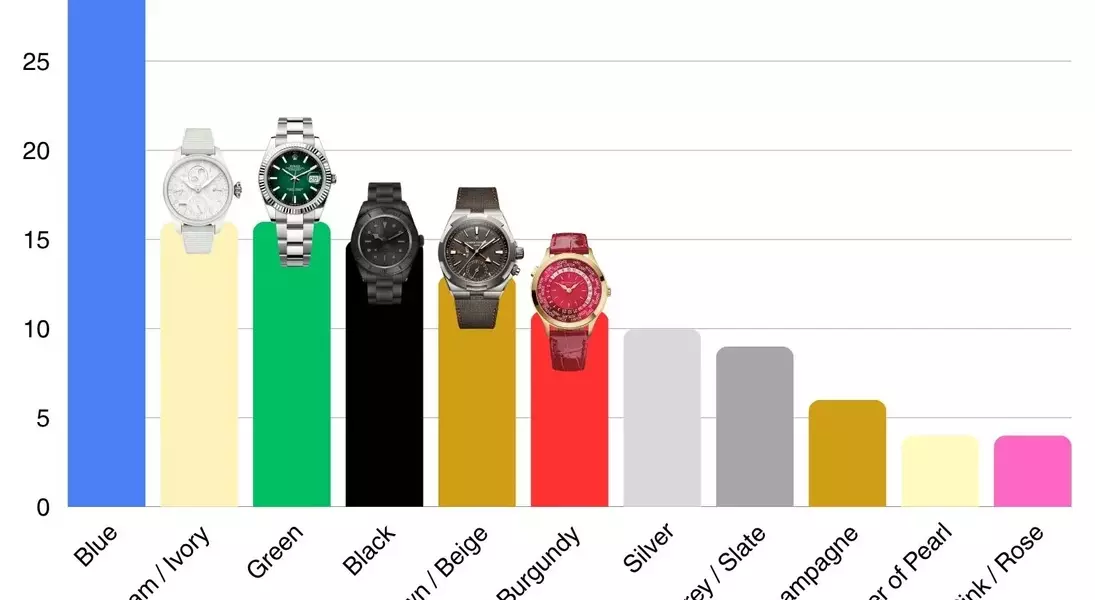
Regarding dial aesthetics, blue continues its reign as the most popular color, appearing on over a quarter of the new models (32 pieces). This enduring appeal stems from its versatility and wearability, as exemplified by Chopard's L.U.C, which transitioned from a salmon to a deep blue dial, enhancing its everyday practicality. While green dials also gained significant traction with 16 releases, traditional neutrals like white, cream, ivory, black, brown, and beige collectively accounted for a substantial portion of the new collection.
A striking development was the surge in skeletonized and open-worked dials, with over 20 new models showcasing their intricate internal mechanisms. This design choice, seen across a broad price spectrum—from Patek Philippe's high-end Cubitus to TAG Heuer's Monaco Evergraph—underscores a deliberate push towards heightened luxury and technical sophistication.
Perhaps the most unexpected finding concerned case materials: gold remarkably surpassed steel in popularity, with 47 gold watches compared to 46 steel models. This statistic highlights a significant industry shift towards premium materials and higher price points. The annual Morgan Stanley report further supports this, noting a decrease in watch export volume but an increase in value, indicating a focus on selling fewer, more expensive pieces. Notable examples include IWC's gold Ingenieur with a tourbillon ($159,000) and Nomos's gold Tangente, priced at $16,100.
Titanium also emerged as a rising star, featured in 24 watches, including luxury models like Ulysse Nardin's Super Freak ($393,600).
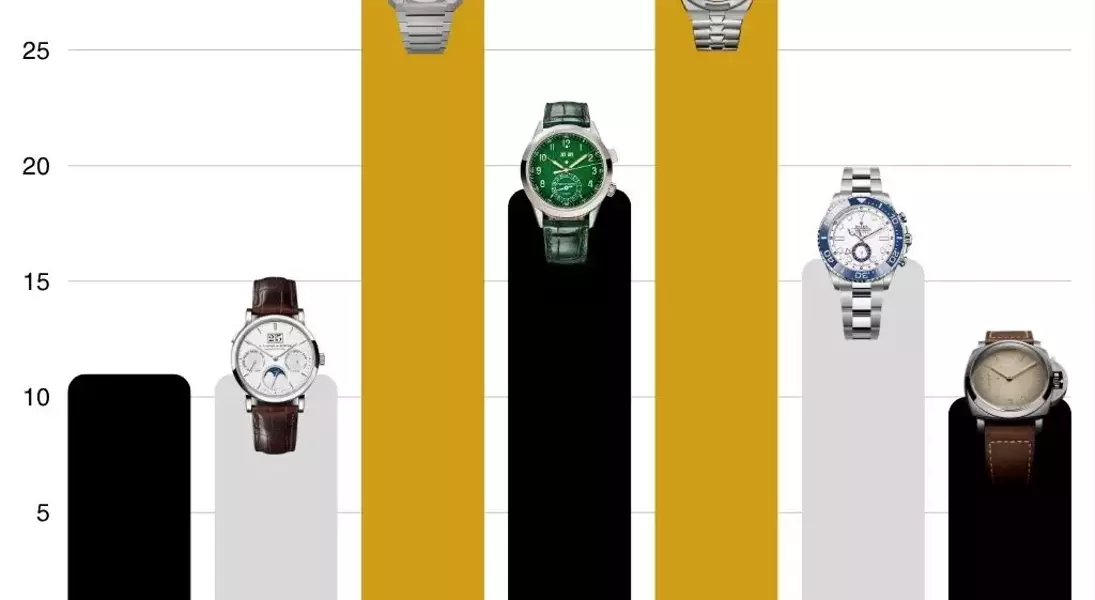
The pricing analysis revealed a sparse middle market. Only 19 watches fell between $10,000 and $25,000, and a mere nine were in the $7,000 to $12,000 range. The average price of new releases was a staggering $66,232, with a median of $31,000, confirming the industry's focus on the luxury segment.
In terms of size, the average case diameter across all 123 watches was precisely 40mm, indicating a balanced distribution across different sizes. The majority of watches (nearly 62.5%) fell within the 37mm to 42mm range.
Other notable observations included a growing emphasis on ultra-thin movements by brands like Vacheron, Patek Philippe, and Cartier, and a surprising parity between chronographs and perpetual calendars/tourbillons, underscoring the commitment to both sporty and highly complex premium watches. Conversely, stone dials, once a significant trend, appeared in only six models, suggesting a decline in their popularity.
This year's watch exhibition provided a fascinating glimpse into the evolving world of luxury timepieces. The data clearly indicates a strategic pivot by manufacturers towards exclusivity, craftsmanship, and innovation, especially in high-end categories. This shift means that while access to entry-level luxury watches might become more challenging, the market will continue to offer increasingly sophisticated and valuable pieces for discerning collectors. It prompts us to consider the long-term implications of this premiumization strategy on both brand positioning and consumer accessibility. How will this focus on ultra-luxury shape the future of watch collecting and market dynamics?
