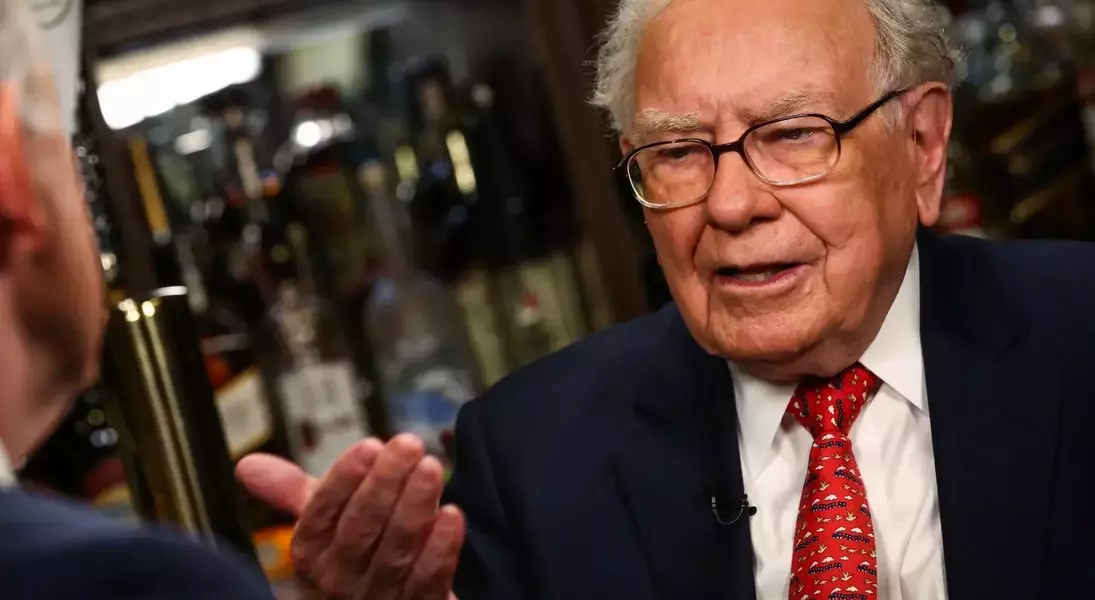
Warren Buffett, the esteemed chairman and CEO of Berkshire Hathaway, maintains a firm stance against stock splits, believing they can distort market behavior and detach share prices from intrinsic business value. His investment philosophy centers on cultivating a base of long-term, owner-minded shareholders. This approach is designed to mitigate transactional costs and deter short-term speculation that could otherwise compromise the stability and rational valuation of the company's stock.
Despite his general opposition, Berkshire Hathaway has implemented certain exceptions. These include the creation of Class B shares and a subsequent 50-for-1 split of these shares. These actions, however, were not a departure from his fundamental principles but rather calculated strategies to achieve specific corporate objectives, such as combating "clone" trusts and facilitating major acquisitions, all while preserving the company's distinctive shareholder culture.
Buffett's Rationale Against Stock Splits
Warren Buffett's long-standing opposition to stock splits is rooted in his belief that such actions can adversely influence investor behavior and introduce unnecessary costs. He argues that stock splits often lead to an increase in share turnover, which in turn escalates transaction costs, effectively "pickpocketing" investors. Furthermore, lower stock prices resulting from splits tend to attract speculative buyers who prioritize quick gains over fundamental value. This influx of short-term traders can cause share prices to diverge from the actual intrinsic value of the business, a phenomenon Buffett actively seeks to avoid. His conviction is that there are no tangible benefits to splitting Berkshire's traditional Class A shares that would outweigh these potential drawbacks, thereby safeguarding the company's long-term investor base.
Buffett's core objective is to ensure that Berkshire Hathaway's market price accurately reflects its inherent business value. To achieve this, he aims to attract investors who exhibit a "business-owner" mentality, focusing on the company's long-term performance rather than short-term price fluctuations. He famously stated that "People who buy for non-value reasons are likely to sell for non-value reasons," underscoring his concern that lower entry prices might draw in the wrong type of investor. This philosophy has guided Berkshire Hathaway's steadfast avoidance of splitting its Class A shares, maintaining a high entry barrier that naturally filters for committed, long-term shareholders.
Strategic Exceptions: Class B Shares and Their Split
While Warren Buffett is known for his strong opposition to stock splits, Berkshire Hathaway's history includes two notable exceptions that, despite appearing contradictory, align with his overarching philosophy of fostering a stable, long-term investor base. The first exception was the introduction of Class B shares in 1996. This strategic move was initiated to counter the rise of high-fee investment trusts that mimicked Berkshire Hathaway's portfolio. By offering a lower-denomination stock, Buffett aimed to provide genuine long-term investors with a more accessible entry point into the company, thereby safeguarding the integrity of its shareholder culture from speculative intermediaries. The Class B shares were initially priced at roughly 1/30th of an A share, with reduced voting rights, maintaining a significant enough entry barrier to deter purely speculative trading.
The second exception occurred in 2010 when Berkshire Hathaway executed a 50-for-1 split of its Class B shares. This split was primarily driven by the need to facilitate the acquisition of Burlington Northern Santa Fe (BNSF). Regulatory filings explicitly clarified that this action was a functional requirement for the deal, not a shift in Buffett's fundamental stance on stock splits. This strategic move allowed Berkshire Hathaway to complete a significant acquisition while preserving its core investment principles. For investors, these exceptions highlight two crucial takeaways: first, never confuse a lower stock price with inherent value, as a split doesn't alter a company's fundamentals; and second, the dual-class structure enables broader investor participation without diluting the company's enduring investor philosophy.
