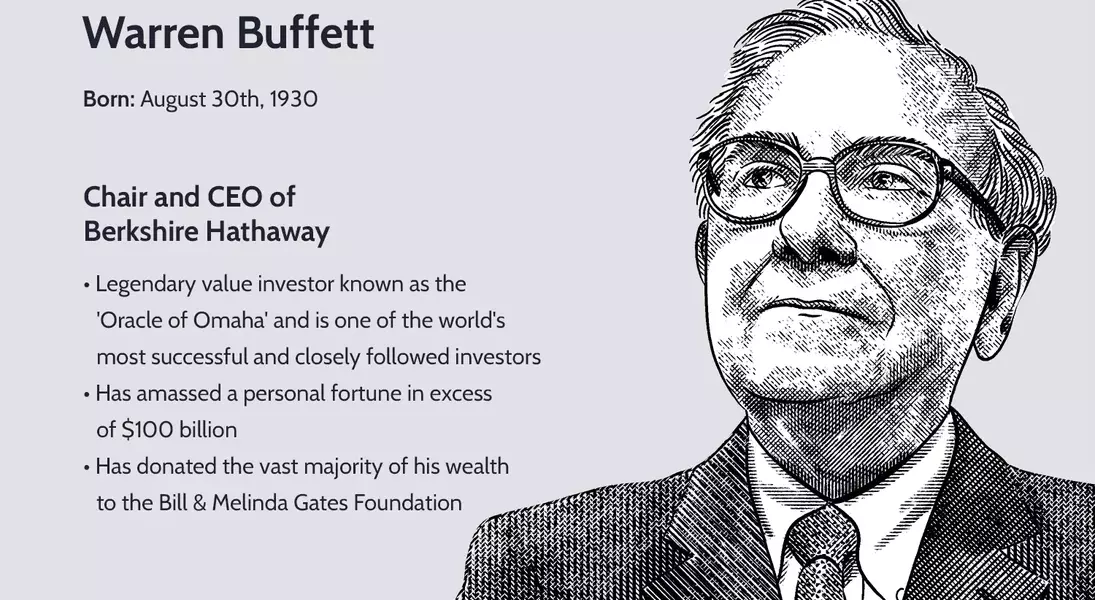
Even the most successful investors like Warren Buffett, celebrated as a financial titan, acknowledge making missteps. Through his candid disclosures in annual letters to Berkshire Hathaway shareholders, Buffett illuminates various investment decisions that, in hindsight, he would have approached differently. These include significant investments in companies like ConocoPhillips and U.S. Air, the acquisition of Dexter Shoes, the oversight of Google, and even his early involvement with Berkshire Hathaway. By sharing these experiences, Buffett underscores that sustained success in investing stems not from avoiding errors entirely, but from diligently learning from them and evolving one's strategy over time.
Navigate the Market Wisely: Insights from Buffett's Investment Journey
A Costly Bet on ConocoPhillips: The Pitfall of High Prices
In 2008, Warren Buffett made a substantial investment in ConocoPhillips, anticipating a rise in energy prices. However, this venture proved to be a misjudgment as he acquired shares at an inflated price, leading to a significant financial setback for Berkshire Hathaway. The crucial takeaway from this experience is that the intrinsic value of a company's stock is heavily influenced by its purchase price. At a time when crude oil prices soared above $100 per barrel, energy stocks were at their peak, limiting potential for appreciation.
The Challenge of Capital-Intensive Industries: The U.S. Air Experience
Buffett's acquisition of preferred stock in U.S. Air in 1989 was initially driven by the airline's impressive revenue growth. However, the investment quickly faced difficulties as U.S. Air struggled to generate sufficient revenue to cover its dividend obligations. Although Buffett eventually managed to exit this investment profitably, he attributes this success more to fortunate circumstances than sound judgment, recognizing the inherent risks of capital-intensive sectors.
The Downfall of Dexter Shoes: The Erosion of Competitive Advantage
In 1993, Buffett invested in Dexter Shoes, believing the company possessed a sustainable competitive edge. This proved to be a costly error as the competitive advantage he perceived swiftly diminished. Buffett himself has described this as one of his most regrettable investments, resulting in substantial losses for shareholders. This incident highlights the critical importance of a company's enduring competitive moat in ensuring long-term profitability.
Missing the Google Opportunity: An Error of Omission
Buffett openly admits that failing to invest in Google was a significant oversight. Despite having firsthand knowledge of Google's immense value through its impact on GEICO insurance's advertising efforts, he bypassed the opportunity. This "error of omission" underscores the importance of thorough analysis and an open mind, even for seasoned investors, to avoid missing out on revolutionary opportunities.
The Emotional Dimension of Investing: The Berkshire Hathaway Narrative
Reflecting on his acquisition of Berkshire Hathaway, Buffett famously called it "the dumbest stock I ever bought," estimating a $200 billion opportunity cost. His initial intent to sell his stake in the struggling textile company was derailed by a perceived unfair offer, leading him to acquire more shares and ultimately take control. This decision, driven by emotion rather than pure financial logic, delayed his entry into the more lucrative insurance business. This anecdote serves as a potent reminder that emotional discipline is paramount in making sound investment choices.
Crafting Investment Decisions: Buffett's Guiding Principles
Warren Buffett's investment philosophy, deeply rooted in Benjamin Graham's value investing principles, focuses on identifying securities where the market price significantly undervalues their intrinsic worth. He deliberately avoids getting entangled in market volatility, instead concentrating on a company's fundamental performance, debt structure, and profit margins. Buffett's preference leans towards companies that boast robust dividend policies and transparent management, emphasizing a comprehensive and disciplined approach to investment selection.
The Unavoidable Nature of Investment Mistakes
Even for an investor of Warren Buffett's stature, missteps are an inherent part of the investment journey. His experiences with buying at unfavorable prices, misinterpreting revenue growth as a sign of business health, and failing to recognize the erosion of competitive advantages are common pitfalls that many investors face. These instances, however, serve as critical learning opportunities, reinforcing the necessity for investors to meticulously analyze their errors and adapt their strategies to foster improved decision-making over time.
Berkshire Hathaway's Operational Blueprint
Under Warren Buffett's enduring leadership since the 1960s, Berkshire Hathaway operates as a diverse holding company. It encompasses a broad portfolio of well-established private businesses and maintains significant minority stakes in numerous public corporations. A substantial portion of its portfolio is dedicated to insurance subsidiaries, notably GEICO. Furthermore, Berkshire Hathaway holds considerable investments in globally recognized companies such as Apple Inc. and The Coca-Cola Company, showcasing its expansive and diversified investment strategy.
