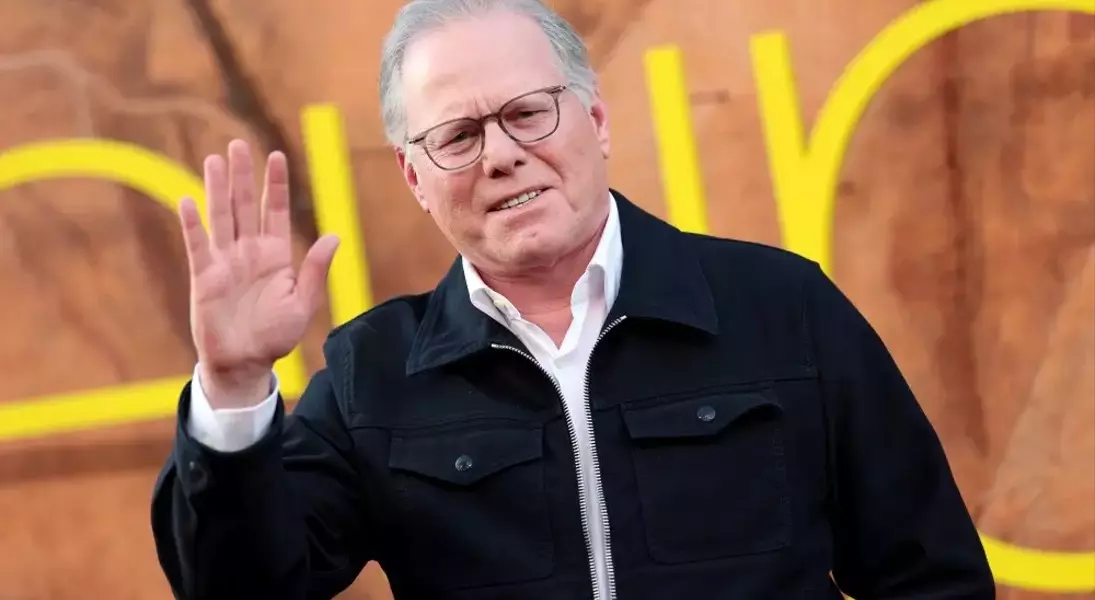
Warner Bros. Discovery CEO David Zaslav has initiated a new sale of company stock, valued at nearly $60 million, amidst the ongoing acquisition discussions with Paramount Skydance. This move adds to his earlier stock divestitures this year, as the media industry watches the proposed merger with keen interest. The deal is expected to greatly enhance Zaslav's personal fortune, positioning him as a billionaire, even as it navigates legal and regulatory hurdles.
CEO's Strategic Stock Divestment Amidst Merger Talks
David Zaslav, the chief executive of Warner Bros. Discovery, has once again made headlines with his decision to sell a substantial portion of his company shares. A recent SEC filing revealed his plan to offload approximately 2.18 million shares, translating to a value of $59.47 million. This latest transaction follows a previous stock sale in March, where Zaslav divested WBD stock worth $114 million. These sales are occurring as the company is on the verge of a significant corporate restructuring, with Paramount Skydance in advanced stages of acquiring Warner Bros. Discovery. The timing of these sales suggests a strategic move by Zaslav to monetize his holdings ahead of the anticipated merger, capitalizing on his executive compensation package.
The cumulative effect of these stock sales is drawing considerable attention, especially given the context of the impending acquisition. With the Paramount Skydance deal expected to finalize in the third quarter of 2026, industry analysts project that Zaslav's net worth could surpass $1 billion, largely attributed to his golden parachute package, which was previously estimated to be over half a billion dollars. This potential financial windfall underscores the lucrative nature of top executive positions in major media conglomerates, particularly during periods of mergers and acquisitions. Despite his high compensation, which reached $165 million in 2025, shareholders have previously voted against his pay package, highlighting ongoing debates around executive compensation in the corporate world.
Navigating Regulatory and Legal Challenges in a Landmark Acquisition
The proposed merger between Warner Bros. Discovery and Paramount Skydance is not without its complexities, facing scrutiny from both regulatory bodies and legal challenges. While the U.S. Justice Department has already given its approval without imposing significant conditions, the transaction is still awaiting regulatory clearance in the United Kingdom, where officials have indicated a likelihood of intervention. This international regulatory landscape adds a layer of uncertainty to the deal's finalization, emphasizing the intricate nature of global corporate mergers and the need for compliance across various jurisdictions. The company remains optimistic, noting that 24 jurisdictions have already cleared the merger, signaling broad international acceptance despite some lingering concerns.
Adding to the challenges, a coalition of 12 Democratic state attorneys general has filed a lawsuit to block the takeover on antitrust grounds. These legal challenges contend that the merger could stifle competition within the media landscape, potentially consolidating too much power in the hands of a few dominant players. Paramount, in response, has pledged to vigorously defend the transaction, arguing that blocking the deal would inadvertently protect existing streaming giants like Netflix and other technology companies from much-needed competition. This legal battle highlights the broader debate about market consolidation and antitrust enforcement in the rapidly evolving digital and media sectors, with implications for future industry mergers and consumer choices.
