
Walter Hill, a celebrated figure in cinema, recently offered a retrospective on his influential career, focusing on his pivotal role in shaping modern screenwriting and the creation of his early success, the 1972 crime thriller 'The Getaway.' Speaking to an engaged audience at the Academy Museum of Motion Pictures, Hill recounted the intricate process of adapting Jim Thompson's novel for the big screen, a project that not only launched his screenwriting career but also paved the way for his acclaimed directorial ventures such as 'The Warriors' and '48 Hrs.'
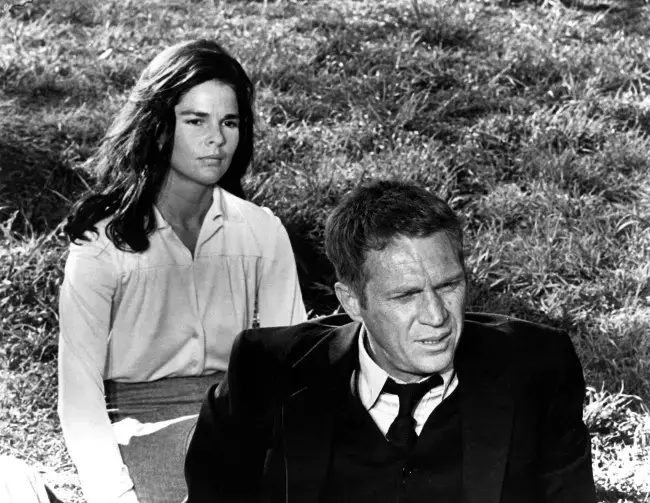
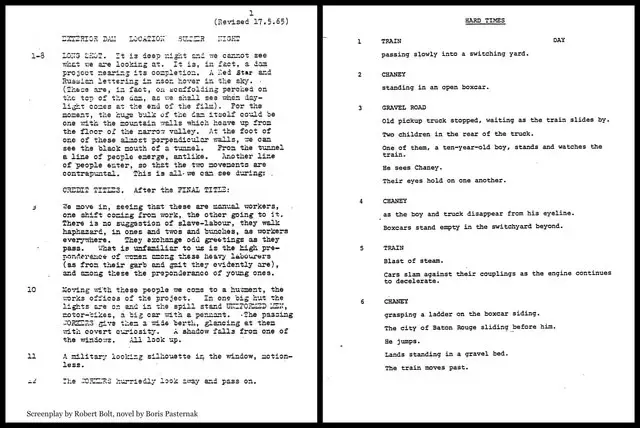
During the event, screenwriter and Academy Governor Larry Karaszewski lauded Hill for revolutionizing the art of screenwriting. Karaszewski highlighted Hill's innovative use of sparse, direct language and abundant white space on the page, contrasting it with the verbose scripts common in earlier eras. This minimalist style, which prioritized visual storytelling and implied camera movements through concise descriptions, fundamentally changed how screenplays were written and read, making them more dynamic and immediate. Hill's approach to adapting 'The Getaway' was fraught with challenges, including navigating the demands of star Steve McQueen, who desired a more sympathetic portrayal of his character, and managing the creative differences with director Peter Bogdanovich, who was later replaced by the legendary Sam Peckinpah. Hill candidly shared the complexities of working with such powerful figures, including the behind-the-scenes drama involving Ali MacGraw, emphasizing the political currents inherent in major film productions.
Despite the creative tensions, Hill expressed satisfaction with Peckinpah's final film, praising its direction and McQueen's performance, which contributed to 'The Getaway' becoming a significant box office success. This triumph ultimately empowered Hill to transition into directing, beginning with 'Hard Times,' a collaboration that marked the start of a fruitful partnership with producer Larry Gordon. Now in his eighties, Hill continues to contribute to storytelling through film and graphic novels, underscoring his enduring passion for the craft and his commitment to continuous creative engagement.
The enduring legacy of Walter Hill's work, particularly his innovative screenwriting, serves as a testament to the power of clarity and vision in artistic expression. His ability to distill complex narratives into impactful, visually driven scripts not only set new standards for the industry but also inspired countless storytellers to pursue precision and economy in their craft. Hill's journey reminds us that true innovation often arises from challenging established norms, leading to fresh perspectives that enrich the creative landscape and leave a lasting mark on culture.
