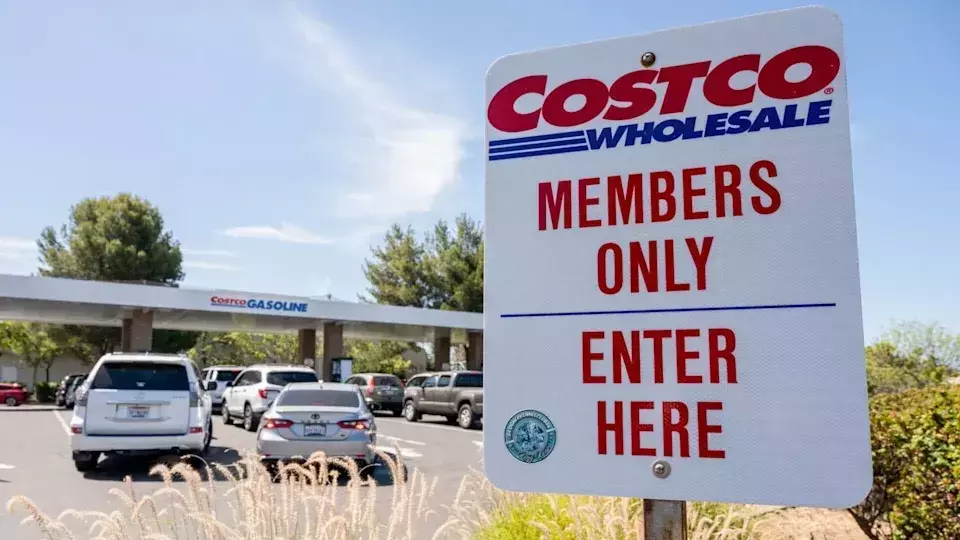
Walmart is strategically positioning itself to challenge Costco's long-standing dominance in offering discounted fuel. By enhancing its Walmart+ membership benefits to include fuel savings, the retail giant aims to attract and retain budget-conscious customers who are actively seeking ways to reduce their expenses at the pump. This initiative could potentially shift consumer habits, as Walmart leverages its existing customer base and extensive network of gas stations to compete more directly with Costco's established fuel program, prompting a closer look at what each membership offers in terms of value and quality.
For many years, Costco has been the go-to destination for drivers looking to save money on gasoline. The company's fuel stations are often characterized by long queues, a testament to their popularity, which is partly mitigated by innovative pump designs that allow for multi-directional fueling. Costco's reputation for affordability in fuel is well-documented, with reports indicating prices typically around 30 cents lower per gallon compared to average stations. This significant saving becomes even more critical during periods of high gasoline prices, such as the 40.5% year-over-year increase cited in a recent Consumer Price Index report. However, Walmart is now entering the fray with a similar strategy.
Walmart's approach involves its Walmart+ membership, which, for a monthly fee of $12.95 or an annual fee of $98, provides subscribers with various benefits, including unlimited free grocery delivery and, crucially, a discount of up to 10 cents per gallon at thousands of participating gas stations. This mirrors Costco's membership-based savings model and is designed to appeal to Walmart's extensive customer base, many of whom are already budget-focused. According to Walmart's first-quarter 2027 earnings call, CFO John Rainey noted an acceleration in Walmart+ membership fee revenue growth, directly attributing this to members utilizing their fuel savings in a period of elevated gas prices.
Beyond the direct fuel discounts, Walmart possesses an inherent advantage: non-members can still purchase gas at its stations, unlike Costco where a membership is typically required. This broader accessibility means that customers visiting Walmart for other shopping needs might be more inclined to fill up their tanks there, regardless of whether they are Walmart+ subscribers. This convenience factor could further bolster Walmart's market share in fuel sales. Nevertheless, while Walmart might offer a cheaper price point, Costco often maintains an edge in fuel quality. Costco's gasoline holds a Top Tier certification, indicating it contains five times the EPA-required detergent levels, which helps in maintaining engine cleanliness and performance over time. Walmart and Sam's Club fuel, while meeting EPA minimum standards, generally does not carry this higher certification, suggesting a difference in quality.
Ultimately, the choice between Walmart and Costco for fuel might come down to a balance between immediate cost savings and fuel quality benefits. Walmart's strategy is to offer a competitive price, especially for its members, while Costco continues to emphasize both affordability and the superior quality of its Top Tier certified fuel. The latter's commitment to quality is consistent with its Kirkland brand philosophy, which prioritizes high standards alongside value. Costco's CEO, Ron Vachris, highlighted record gasoline volume in fiscal 2027's first quarter, noting that increased consumer price sensitivity drove many new members to use their gas stations. This, in turn, is expected to foster greater loyalty and increased spending within Costco warehouses, demonstrating the significant role fuel plays in overall customer engagement for both retail giants.
