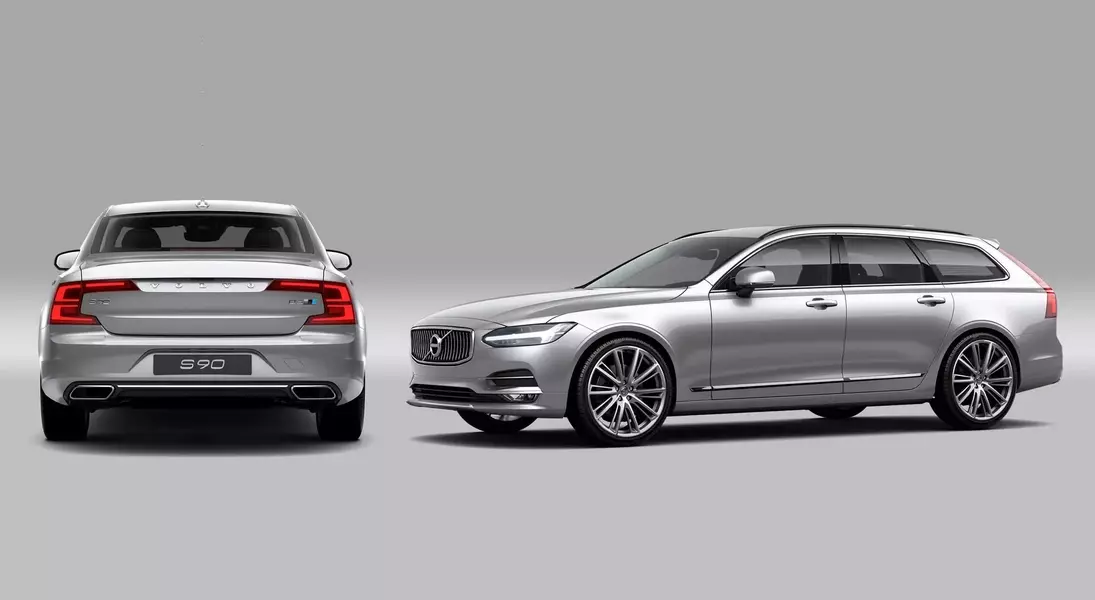
Volvo is ceasing sales of its wagons in the American market, signaling a temporary farewell to a classic body style that has long been synonymous with the brand. Despite this strategic pivot towards SUVs and electric vehicles, there's a strong undercurrent of potential for wagons to reclaim their position in the automotive landscape, driven by shifting market dynamics, technological advancements, and evolving consumer tastes. This article delves into why the "long roof" design might not be gone for good and explores the factors that could herald its eventual return.
The Enduring Appeal of the Wagon: A Future Resurgence?
Volvo's US Wagon Farewell: A Temporary Departure
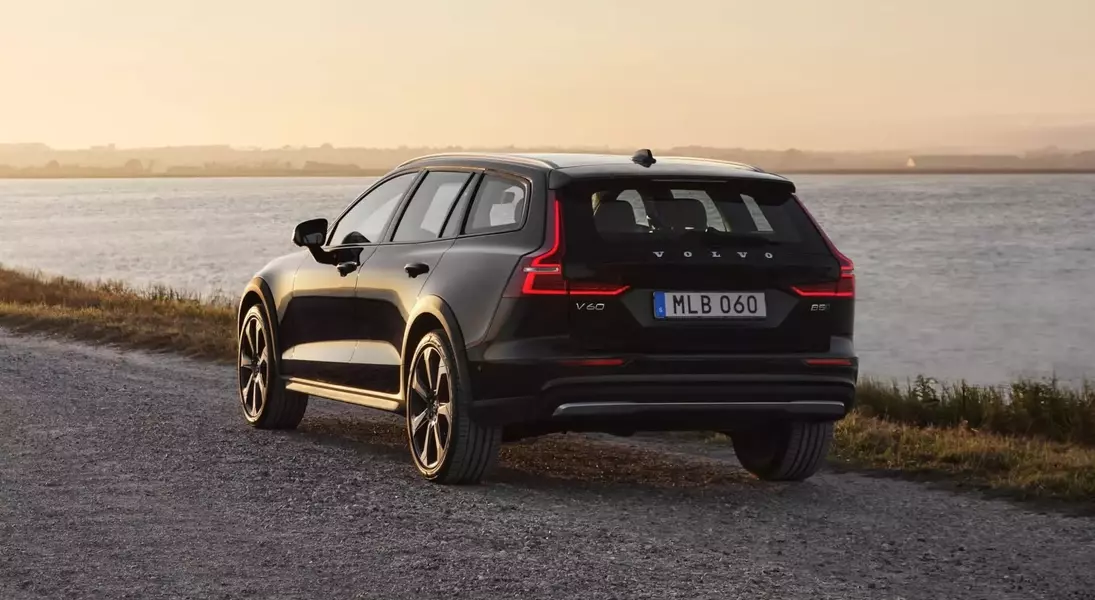
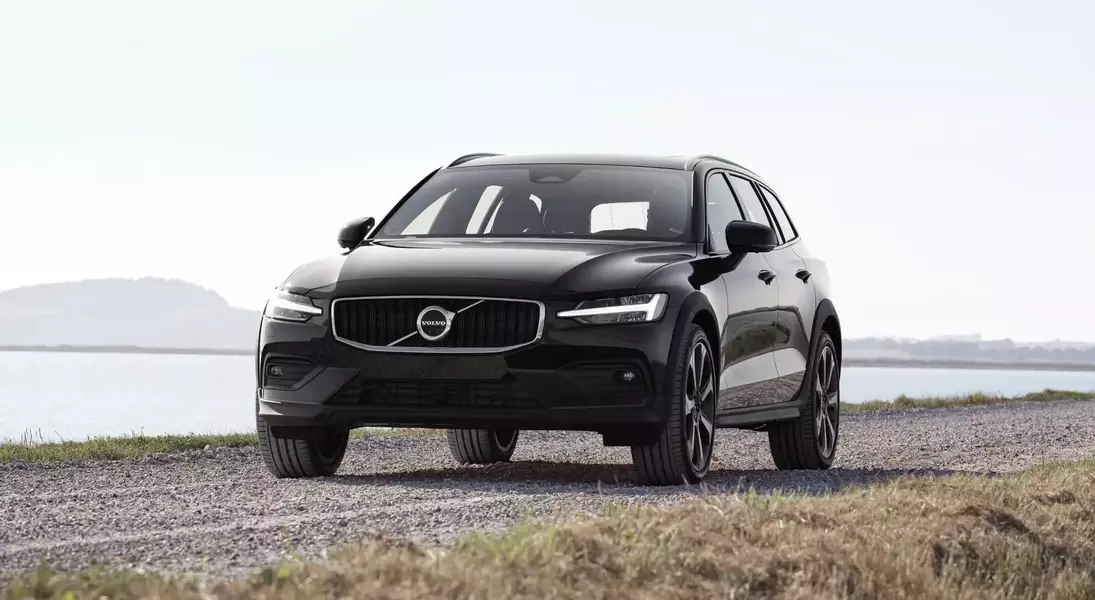
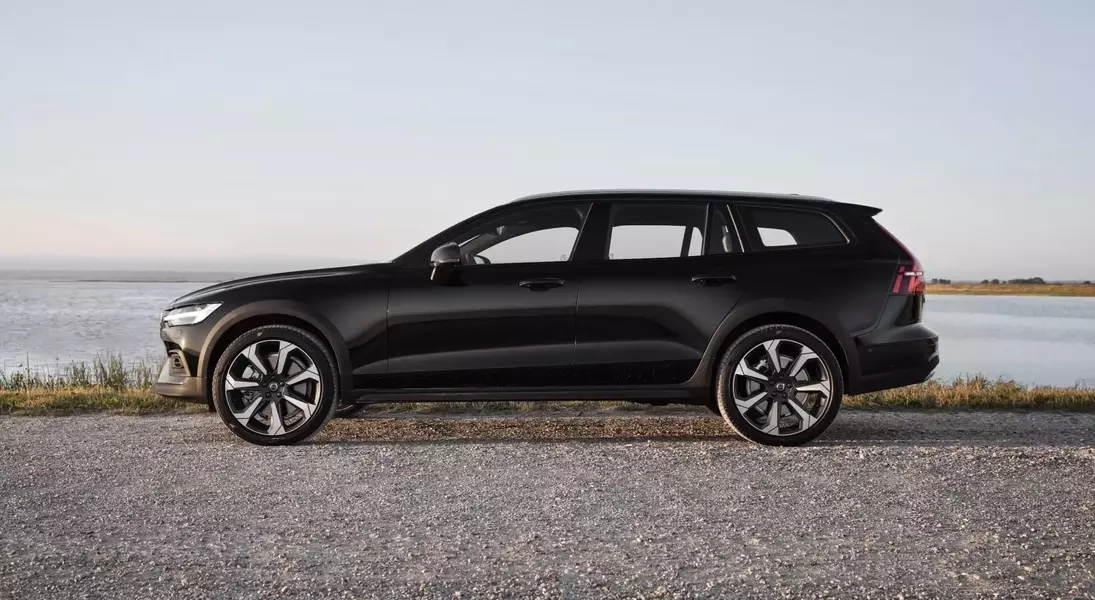
Volvo's V60 Cross Country marks the conclusion of its wagon offerings in the United States, as the brand redirects its focus towards an expanded lineup of sport utility vehicles, crossovers, and electric vehicles. This move reflects a broader industry trend where SUVs have increasingly dominated market share, leading many manufacturers to scale back their traditional passenger car segments. The discontinuation of the XC70 name as a rugged wagon, reimagined instead as an extended-range SUV, further underscores this strategic shift by Volvo in the American market.
Why Wagons Maintain Relevance: A Global Perspective
Despite the strategic pivot in the US, Volvo's Chief Strategy and Product Officer, Michael Fleiss, has indicated that the company has not entirely dismissed the future of wagons. Wagons continue to be robust sellers in Europe, demonstrating their enduring popularity in key global markets. The advent of electric vehicle technology presents a compelling case for the wagon's resurgence, as their inherently lower and more aerodynamic profiles offer significant efficiency advantages over taller, bulkier SUVs. This aerodynamic efficiency is crucial for maximizing range in electric vehicles, making the wagon a potentially attractive option for future EV platforms.
Evolving Market Dynamics and Buyer Preferences
The automotive industry is undergoing a profound transformation, with buyer priorities shifting beyond traditional considerations like engine performance. As electrification becomes the norm, competition among manufacturers will increasingly revolve around vehicle platforms, overall efficiency, and intelligent packaging solutions. Volvo's new SPA3 EV platform offers the flexibility to explore a variety of body styles, including new interpretations of the wagon. Furthermore, emerging interest in wagons from markets previously unreceptive, such as China, combined with the continued strong demand in Europe, suggests a potential global realignment that could pave the way for wagons to make a comeback, even in the American market.
The American Wagon Renaissance: Performance Models Lead the Way
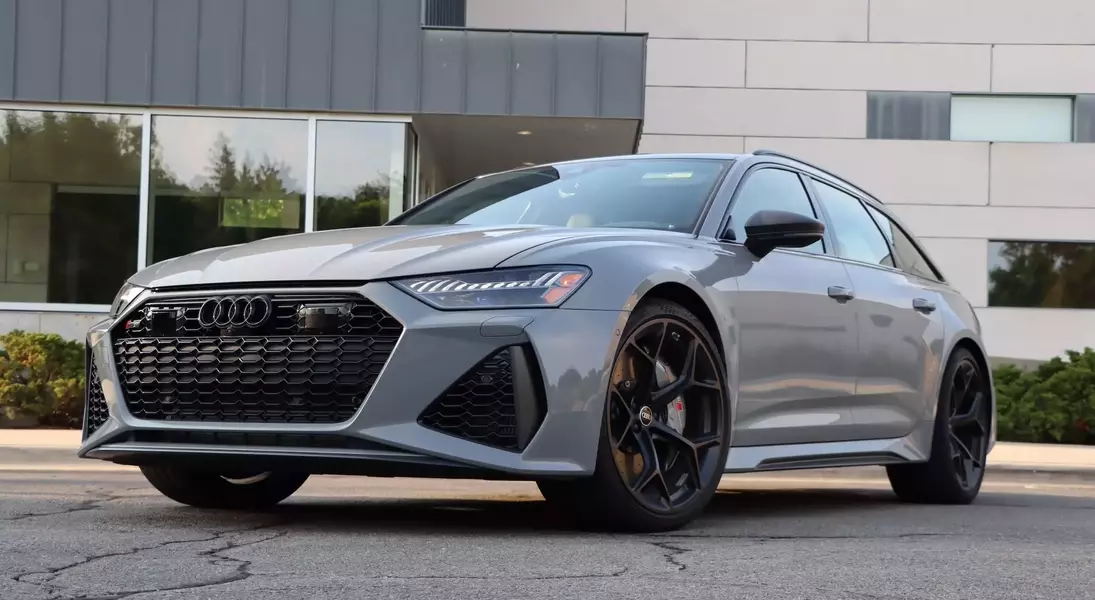
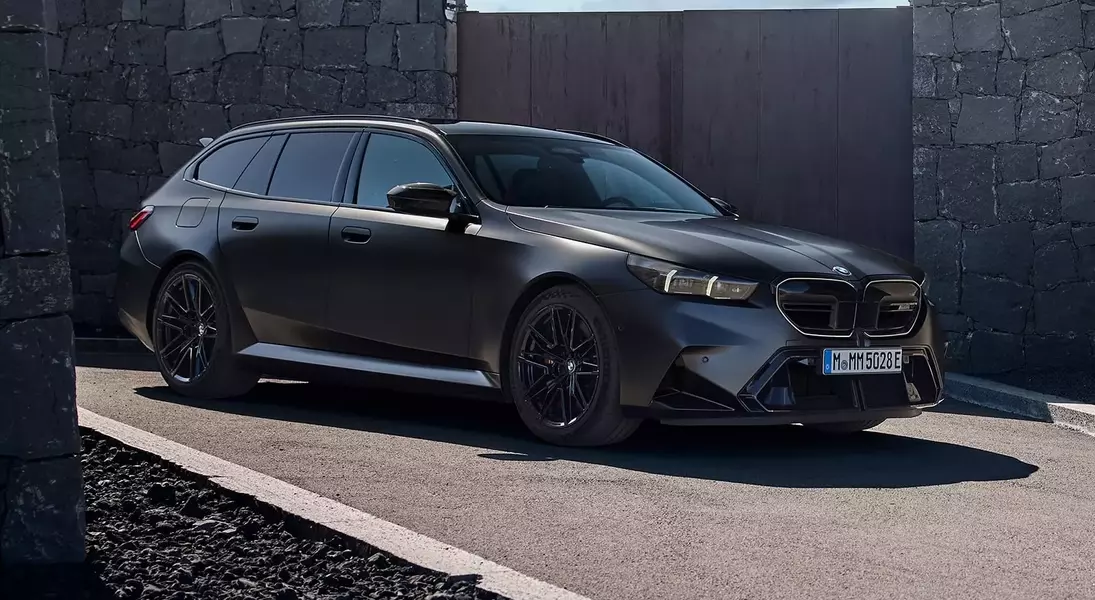
Interestingly, the US market is already witnessing a quiet revival of wagons, particularly in the high-performance segment. Models like Audi's RS6 Avant and BMW's M5 Touring have achieved remarkable success, demonstrating a strong consumer appetite for wagons that offer a blend of practicality and exhilarating performance. This trend indicates a growing appreciation for wagons as a sophisticated and dynamic alternative to SUVs, moving beyond their traditional utilitarian image. This renewed interest in performance-oriented wagons could lay the groundwork for broader acceptance and a future reintroduction of more mainstream wagon models in America.
Regulatory Shifts and the Future of Automotive Design
Beyond market demand, regulatory changes, such as new fuel-economy standards, could also play a pivotal role in the return of passenger car shapes, including wagons. These regulations may incentivize automakers to develop more aerodynamically efficient vehicles to meet stricter emissions and efficiency targets, thereby reducing the regulatory gap between cars and SUVs. While not a guarantee, such policy shifts could remove existing barriers, making it more feasible and attractive for manufacturers to invest in and reintroduce wagon designs. Combined, these factors suggest a promising outlook for the wagon, hinting that its story is far from over.
