This article explores the unexpected sales triumph of the Volvo XC90, an SUV that has defied typical automotive life cycles by achieving its best sales year ever despite its age. It delves into the factors contributing to its sustained popularity, Volvo's broader market performance, and the brand's strategic shift towards SUVs, including the discontinuation of wagon models in the U.S. market.
The XC90 Phenomenon: A Decade-Old SUV Redefining Success
Volvo's Market Performance: A Tale of Contrasts in 2025
In 2025, Volvo unveiled its annual sales figures for the United States, presenting a mixed picture for the Swedish automotive manufacturer. While the brand experienced a minor overall sales contraction of 2.9%, culminating in 121,607 vehicles sold, and a notable decrease in electrified vehicle sales (even as electric vehicle sales saw individual growth), one model stood out. The three-row XC90 crossover emerged as a remarkable success story, achieving unprecedented sales levels in its long history within the country.
The Enduring Appeal of an Established Platform: The XC90's Record-Breaking Year
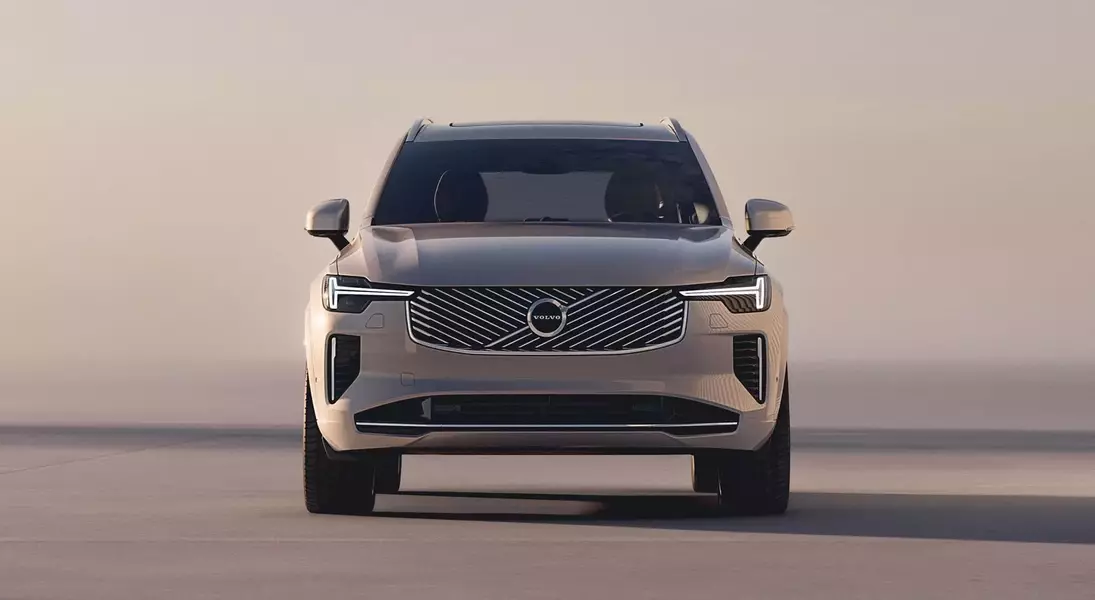
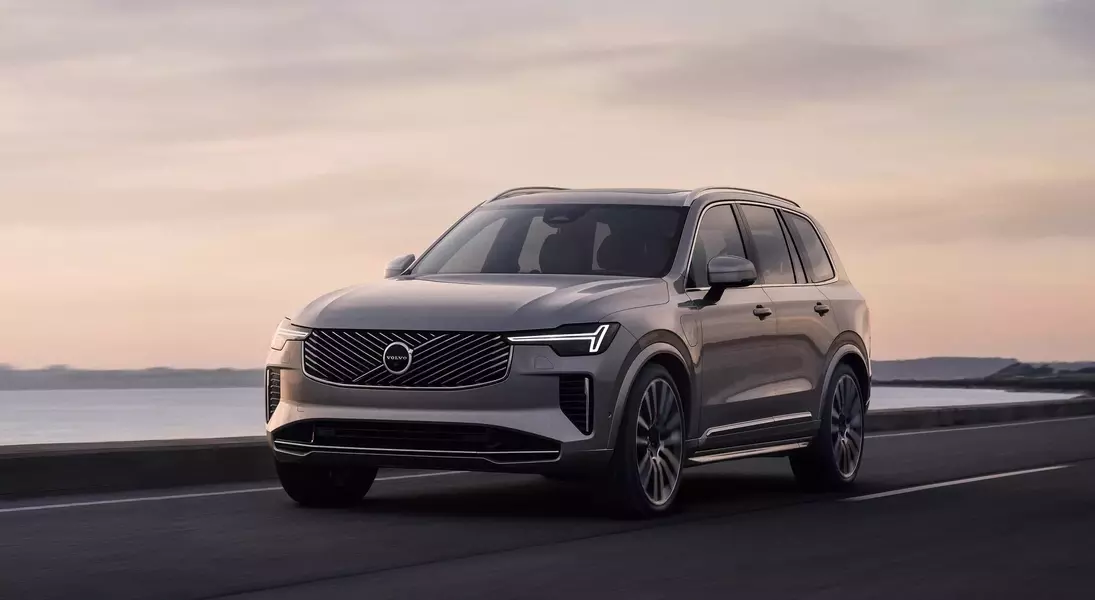
The second-generation Volvo XC90, a model that has graced the roads for over a decade since its initial launch, recorded an astounding 40,217 units sold in 2025. This achievement marks a significant milestone, being the first time the XC90 has surpassed the 40,000-unit mark in annual sales, eclipsing its previous best from 2023. This sustained popularity underscores the effectiveness of Volvo's strategy to incrementally refine the vehicle rather than embarking on a complete redesign.
Strategic Refreshments: Keeping the XC90 Contemporary
Volvo's commitment to the XC90's longevity is evident in its continuous updates. The model has undergone two significant facelifts, with the most recent one for the 2025 model year introducing a refreshed front fascia, premium interior materials, improved sound insulation, and a modern 11.2-inch touchscreen interface. These thoughtful enhancements have played a crucial role in maintaining the XC90's relevance and desirability in a competitive market, proving that a well-executed long-term strategy can yield exceptional results.
Performance Across the Volvo SUV Range: Success Beyond the XC90
Beyond the XC90's impressive performance, other Volvo SUVs also demonstrated strong sales. The XC60 saw a healthy 6% increase in sales, reaching 41,105 units. Emerging electric models like the EX90 experienced a dramatic 356% surge, selling 3,913 units, while the compact EX30 found 5,409 new owners, marking a substantial increase. The introduction of an entry-level, single-motor EX30 and the rugged Cross Country variant for 2026 likely contributed to these positive figures.
The Phasing Out of Wagons: A Shifting Market Landscape
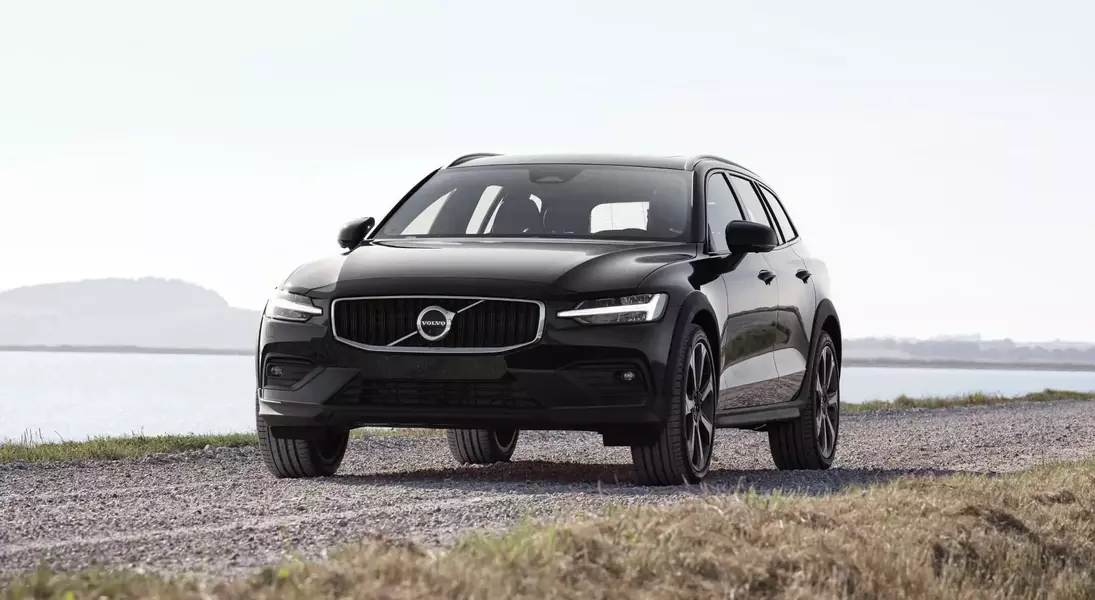
While specific sales data for models like the EX40, XC40, and V60 Cross Country were not explicitly detailed, estimates suggest these three vehicles collectively sold around 30,963 units. It is anticipated that the V60 Cross Country, mirroring broader market trends, likely experienced slower sales. Volvo's decision to discontinue wagons in the U.S. market, with the V60 Cross Country ceasing production in April 2026, reflects a strategic pivot towards the more dominant and popular SUV segment, a trend observed across numerous automakers.
Lessons from Longevity: The XC90 and Durango's Shared Success
The XC90's enduring success in 2025, akin to the Dodge Durango's best sales in two decades during the same year, exemplifies a pragmatic approach to vehicle development: "if it's not broken, don't fix it." By opting for regular updates over costly ground-up redesigns, Volvo has realized significant cost efficiencies while maintaining strong consumer interest. These models, though outliers in their prolonged life cycles, highlight that strategic product management can indeed extend a vehicle's market viability. Meanwhile, Volvo aims to tackle the challenge of declining electrified model sales, a situation partly attributed to changes in federal tax credits, making it a key focus for the brand's agenda in the coming year.
