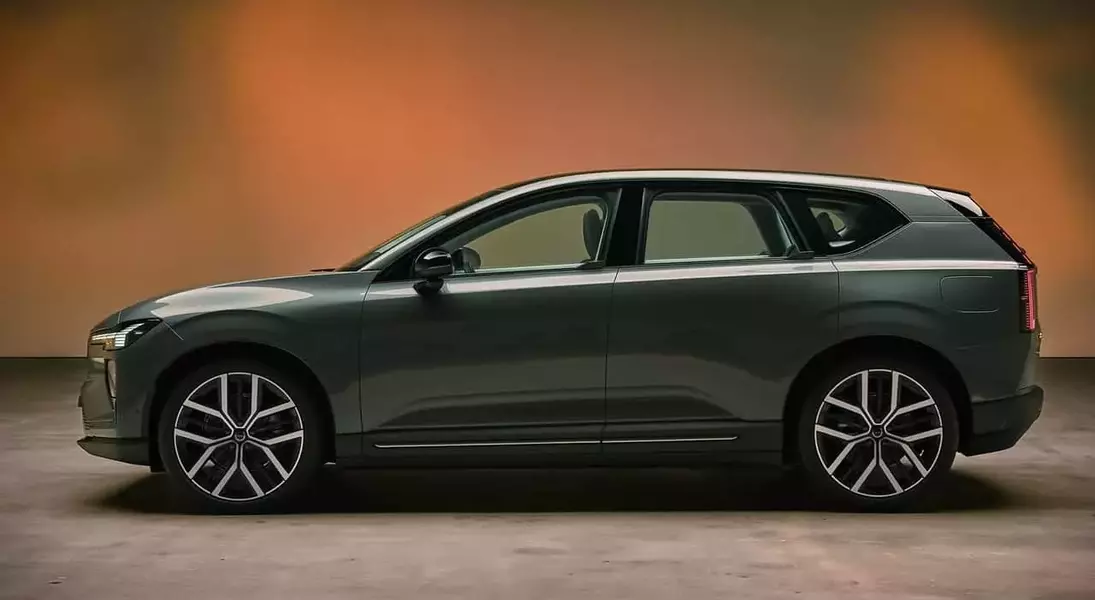
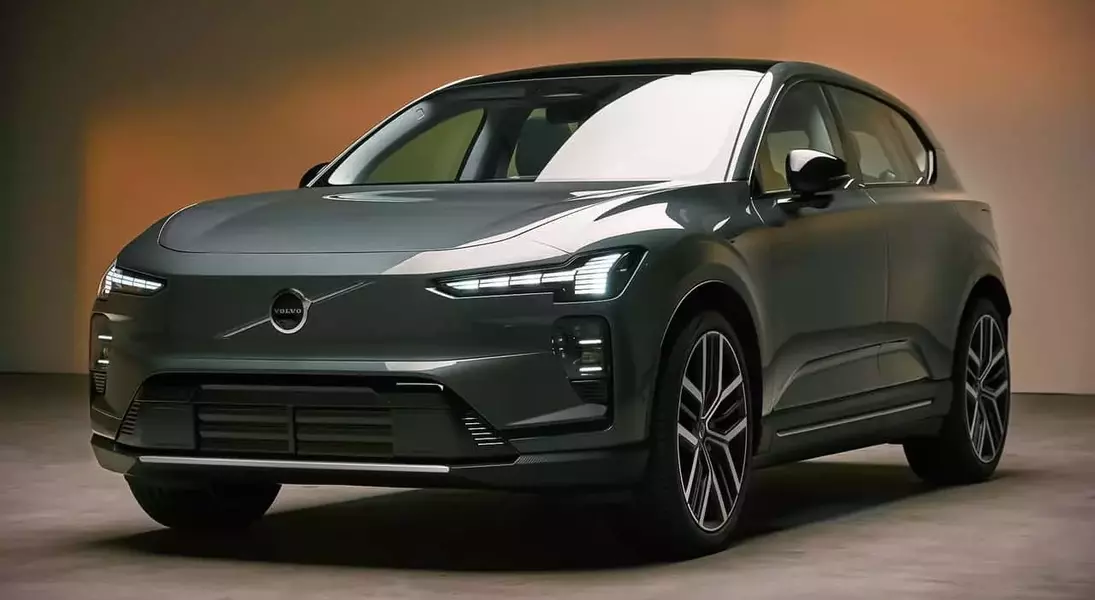
The automotive landscape for electric crossovers is experiencing a significant shake-up with the introduction of the Volvo EX60. This new entrant is making waves, primarily due to its aggressive pricing strategy, which positions it as a more accessible option compared to established premium rivals like the BMW iX3. While both vehicles offer compelling electric performance, Volvo's decision to price the EX60 below the iX3 could significantly influence consumer choices in the burgeoning EV market. This development sets the stage for intensified competition among luxury electric vehicle manufacturers, particularly as more models from brands like Mercedes-Benz prepare to join the fray.
Volvo's new electric SUV, the EX60, aims to capture a significant portion of the electric vehicle market with its competitive pricing. The base P6 Plus model, including the mandatory destination fee, starts at an attractive $59,795. This pricing strategy places it notably below the current starting price of the BMW iX3 50 xDrive, which stands at $62,850. The EX60's various trims, such as the P10 Plus AWD at $62,145, the P6 Ultra at $66,395, and the top-tier P10 Ultra AWD at $68,745, offer a range of options while maintaining a price advantage over its direct German competitor. This cost-effectiveness is a key differentiator for Volvo, as it seeks to appeal to consumers looking for luxury electric vehicles without the higher price tag typically associated with segment leaders.
Beyond pricing, the Volvo EX60 also presents a compelling package in terms of power and battery options. It comes with a choice of three battery capacities: 80.0, 91.0, and 112.0 kilowatt-hours, catering to different performance and range requirements. Available in both single- and dual-motor configurations, the EX60 boasts impressive horsepower figures, ranging from 369 to 503 hp for the P6 and P10 trims, with the upcoming P12 variant promising a robust 670 hp. In comparison, the BMW iX3 50 xDrive delivers 463 hp, and the Mercedes-Benz GLC EV is expected to offer around 483 hp. While the EX60 demonstrates competitive power, its range lags behind some rivals. The base EX60 P6 offers 307 miles, and the P10 AWD extends to 322 miles. Even the top-spec P12 AWD struggles to surpass 400 miles, whereas the iX3 starts at 434 miles, and the GLC EV is projected to exceed 400 miles.
However, the EX60 gains an edge in charging efficiency. The P6 model can recharge from 10% to 80% in just 16 minutes at up to 320 kilowatts. The P10 AWD matches this impressive 16-minute charging time at 370 kilowatts, and the P12 AWD completes the same charge in 19 minutes at 370 kilowatts. This is a noticeable improvement over the BMW iX3 50 xDrive, which takes 21 minutes for a similar charging cycle. This rapid charging capability enhances the daily usability of the EX60, addressing one of the common concerns among electric vehicle owners regarding charging times.
With its attractive price point and solid specifications, particularly in charging speed, the Volvo EX60 is poised to become a significant player in the electric SUV market. Its arrival, with deliveries expected to commence this spring, offers consumers a compelling alternative that balances luxury, performance, and cost, even if its range is slightly less competitive than some rivals.
