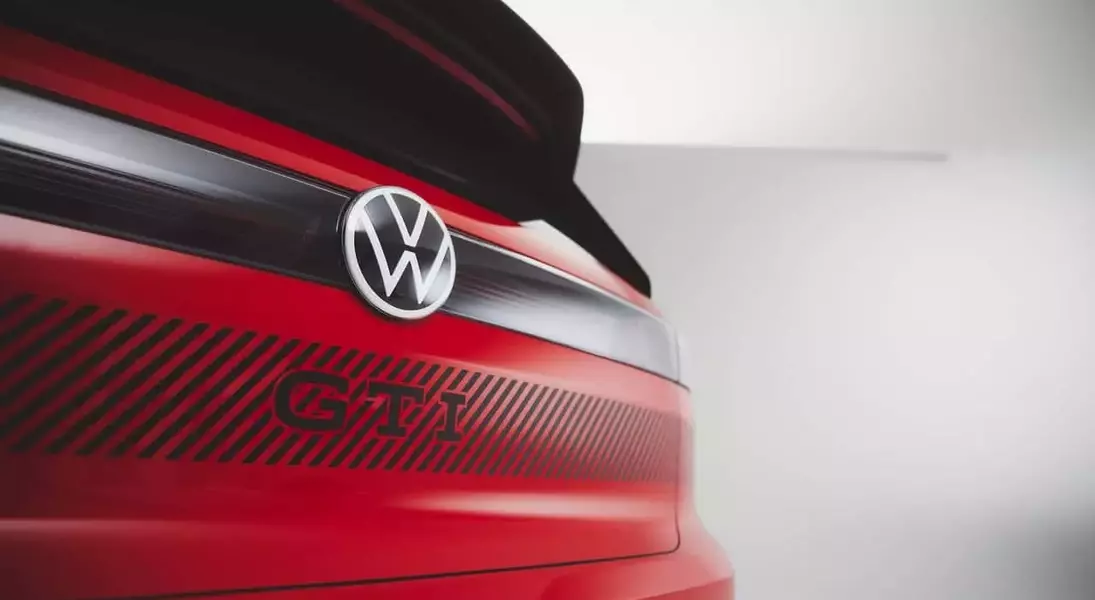
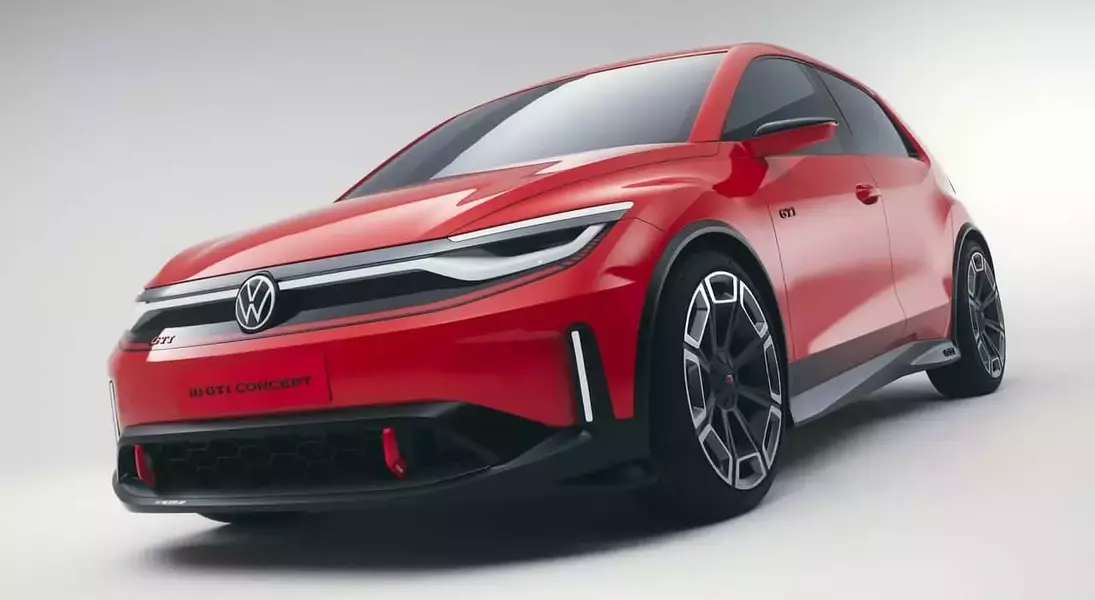
The highly anticipated electric version of the Volkswagen Golf, an iconic model in the brand's lineup, will experience a significant delay in its market debut. Originally slated for a 2028 release, the new EV model is now not expected to hit the roads until at least 2030. This postponement reflects strategic decisions by the automaker, influenced by current market conditions and internal development challenges, including issues with the new platform it is set to utilize.
Volkswagen's Electric Golf: A Strategic Postponement
Rescheduled Launch for the Electric Golf
Volkswagen has announced that the launch of its all-electric Golf model, a cornerstone of its electrification strategy, will be pushed back. Initial plans aimed for a 2028 release, but the vehicle is now projected to arrive no sooner than 2030. This decision aligns Volkswagen with a growing number of automotive manufacturers re-evaluating their electric vehicle timelines.
CEO's Perspective on Current Offerings
According to Thomas Schäfer, Volkswagen's CEO, there is no immediate necessity for an electric Golf in 2028. Schäfer indicated that the company's existing portfolio of vehicles is robust and meets current market demands. This suggests a careful assessment of market readiness and internal product strategy guiding the revised launch schedule.
Platform Development Hurdles and Strategic Implications
A key factor contributing to the delay is the development of the Volkswagen Group's new Scalable Systems Platform (SSP) architecture. This advanced platform, intended to underpin the ID. Golf, has encountered various development challenges, leading to setbacks. The SSP will initially be introduced with models from Audi and Porsche before being rolled out to other brands, including Volkswagen. Schäfer emphasized the importance of achieving significant scale with this new platform to ensure profitability, a critical aspect that has influenced the adjusted timeline.
Future High-Performance Electric Golf Variants
The electric Golf is also expected to feature high-performance versions, including an ID. Golf GTI and potentially an ID. Golf R, which Schäfer has previously described as a "monster." Given the delay of the standard electric Golf until 2030, enthusiasts can anticipate that these more potent variants will arrive even later, further extending the wait for Volkswagen's electric performance offerings.
Industry Challenges and Market Considerations
The postponement of the electric ID. Golf is not an isolated incident but rather a reflection of broader challenges faced by the automotive industry. Volkswagen, like many global manufacturers, is navigating intense competition in markets such as China and dealing with evolving tariff landscapes in regions like the United States. Launching a pivotal electric model like the Golf prematurely could expose the company to significant market risks, making a strategic delay a prudent decision to ensure a successful and profitable market entry.
