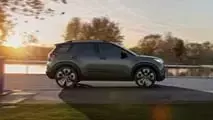
Volkswagen is preparing for an exceptionally busy period leading up to 2026, marked by a significant wave of product introductions. Martin Sander, the company's sales chief, revealed that the automotive giant is gearing up for "unprecedented launch activities" globally, encompassing both upgrades to existing models and brand-new additions to its extensive portfolio.
Volkswagen's Global Product Strategy Unveiled
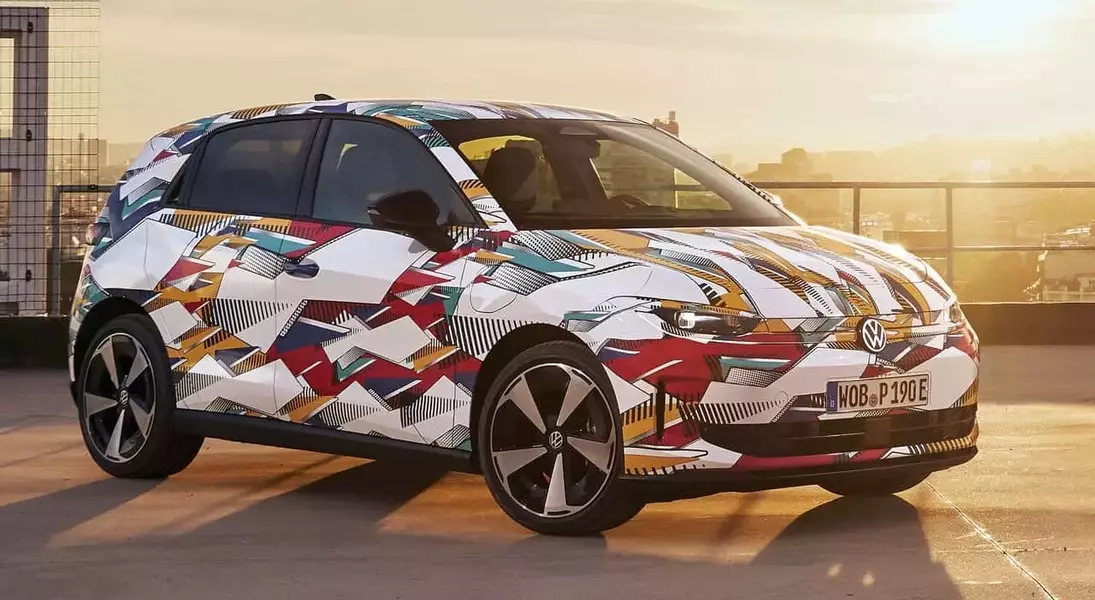
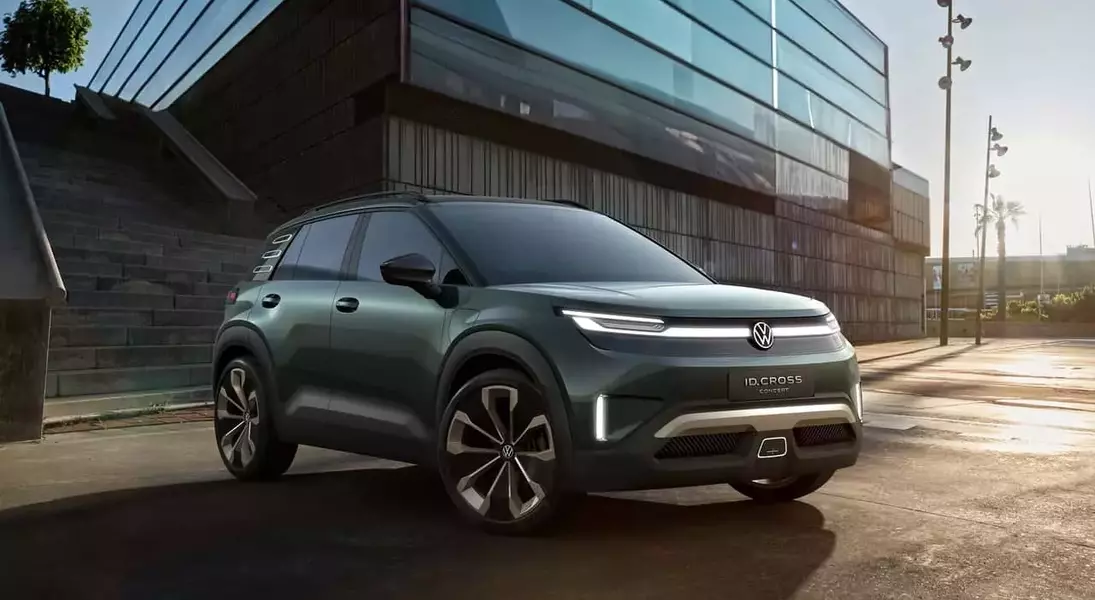
In a recent discussion with Automotive News, Martin Sander reiterated Volkswagen's commitment to launching the ID. Polo, an electric supermini, with an attractive starting price of approximately €25,000. This will soon be followed by the production version of the ID. Cross concept, which reimagines the electric Polo as a stylish SUV. These two electric vehicles are designed to mirror the successful relationship between the current gasoline-powered Polo and T-Cross models.
Furthermore, Volkswagen is set to introduce updated versions of the ID.3 and ID.4. While Sander did not explicitly confirm whether these would be entirely new generations or refreshed models, industry reports suggest they will be significant updates. Kai Grünitz, Volkswagen's development boss, confirmed that both vehicles will feature a "completely new design language." Beyond aesthetics, these models are expected to boast improved interiors with higher-quality materials and a return to some physical controls. Grünitz highlighted substantial enhancements in battery cost efficiency and overall performance, promising a "huge improvement" for these electric vehicles. Notably, the ID.5 was not mentioned, fueling speculation about its potential discontinuation by 2027.
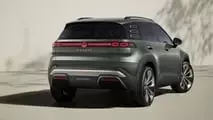
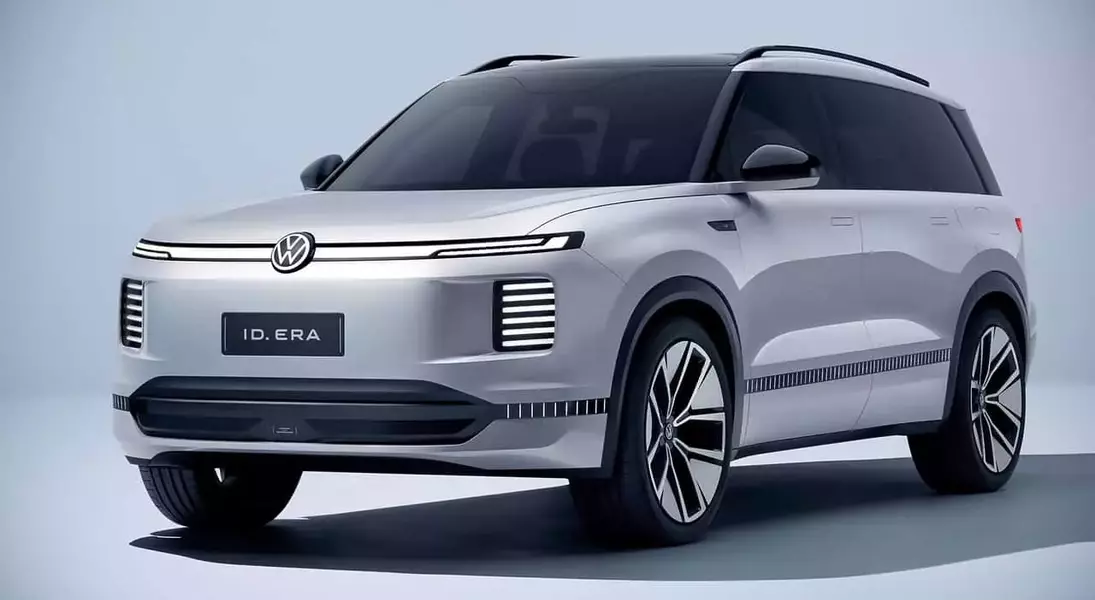
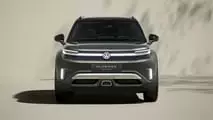
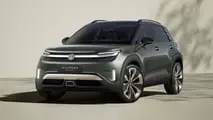
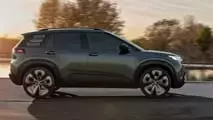
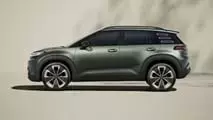
The expansion plans extend to China, where Volkswagen will launch an electric vehicle equipped with a range-extending gasoline engine next year. This model, previewed by the ID. Era concept, was developed in collaboration with SAIC. It is a full-size, three-row SUV designed to offer a combined range exceeding 1,000 kilometers (621 miles) and an electric-only range of up to 300 kilometers (186 miles). China will also see the introduction of two A-segment electric cars built on a locally developed platform, distinct from the ID. Every1, which is slated for a 2027 European release as an entry-level EV priced around €20,000.
The United States market is also a focus, with new hybrid models in the pipeline. However, Sander acknowledged that American consumers continue to show a strong preference for conventional internal combustion engine vehicles.
Volkswagen's overarching strategy clearly emphasizes electric vehicles, with the company firmly believing in an "electric future." Despite this, Volkswagen recognizes that achieving profitability parity between electric and combustion-engine vehicles will take time, a timeline Sander chose not to specify. The electric vehicle offensive will continue beyond 2026, culminating in the highly anticipated arrival of the ninth-generation Golf towards the end of the decade, which will be exclusively an electric model. The combustion-engine version of the Polo, however, will remain in production.
Volkswagen's bold electrification strategy for 2026 and beyond demonstrates a significant pivot towards sustainable mobility. This ambitious plan, encompassing new electric models, updated existing EVs, and regional-specific offerings, underscores the industry's dynamic evolution. The company's commitment to improving battery technology and interior design in its electric lineup is a positive sign for consumers, suggesting a focus on both performance and user experience. The strategic decision to retain combustion-engine models in certain markets also reflects a pragmatic approach to the transition, acknowledging diverse consumer preferences and market realities. As the automotive landscape continues to shift, Volkswagen's proactive stance could serve as a blueprint for balancing innovation with market demands.
