
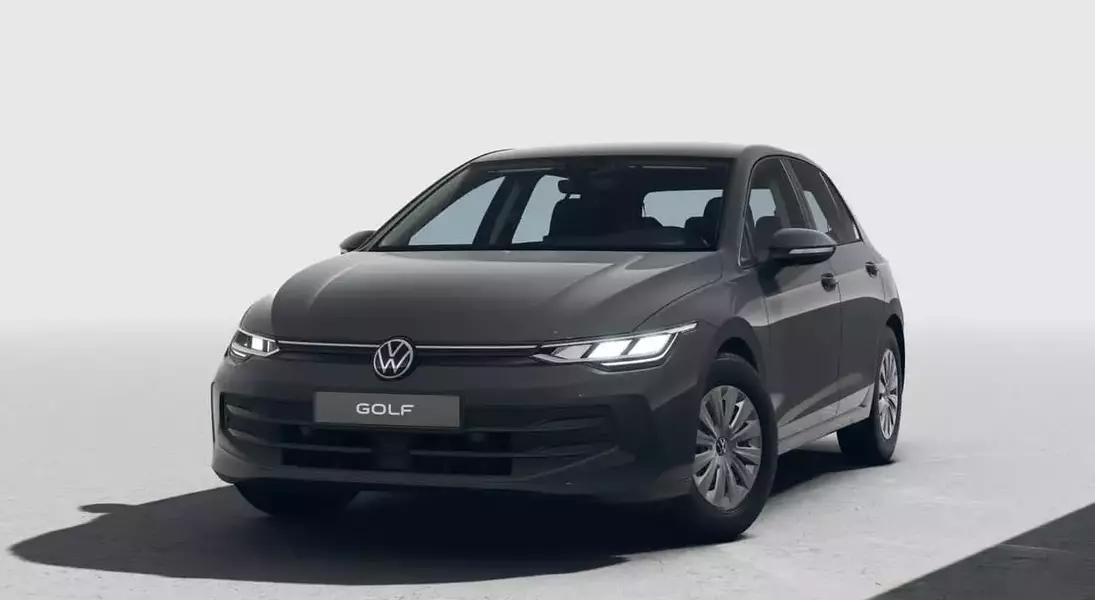
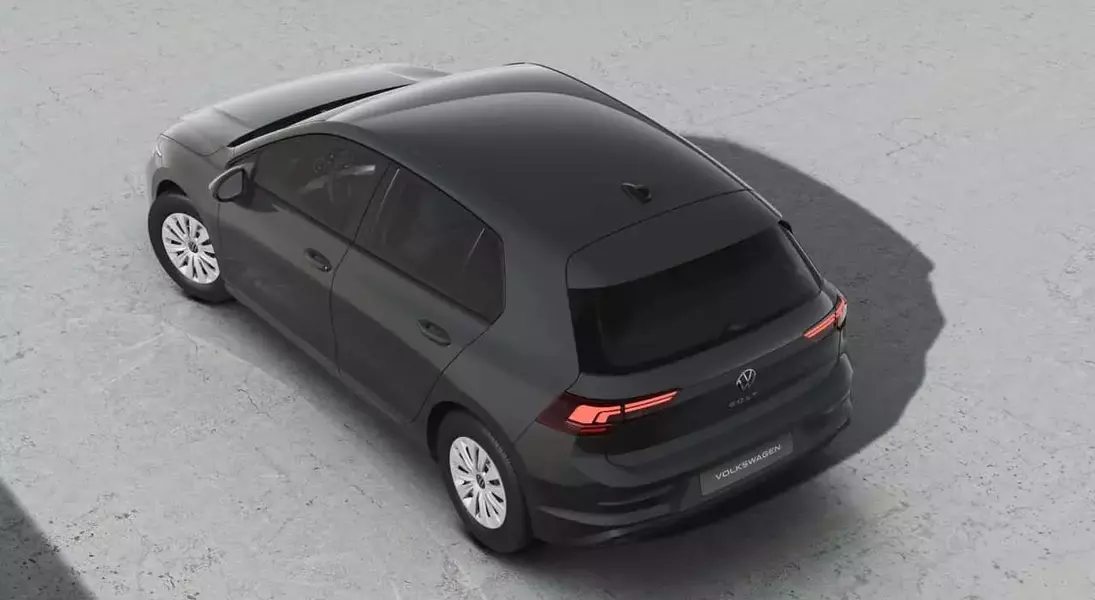
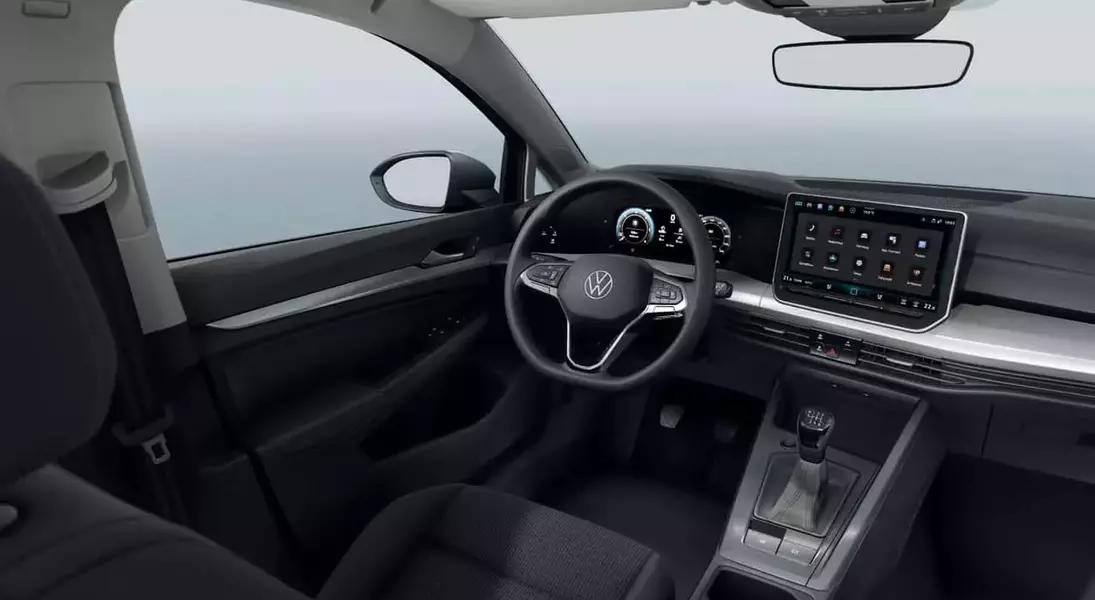





Volkswagen's iconic Golf, known for its diverse range of models in Europe, has a more limited presence in the United States, where only the performance-oriented GTI and R versions are currently sold. Unlike its European counterpart, which offers various gasoline, diesel, and plug-in hybrid powertrains, alongside an optional manual transmission and a practical wagon body style, the US market has been restricted to the sportier hatchbacks. However, this situation might soon change, bringing more affordable Golf options to American consumers later this decade.
A significant factor enabling this shift is the planned relocation of Golf production from Wolfsburg, Germany, to Puebla, Mexico, scheduled for 2027. Mexico has a long history of assembling Golf models, producing every preceding generation of the popular car. This change in manufacturing location is expected to reduce production costs, thereby making it feasible to introduce less expensive Golf variants to the US. Kjell Gruner, CEO of VW Group of America, highlighted in a recent interview that North American production opens up new possibilities for diverse Golf trims, potentially positioning new models below the current $35,865 GTI and $50,730 R price points. While a base model might be challenging due to tariffs, a broader selection of reasonably priced Golf models could significantly enhance Volkswagen's market appeal.
The current generation Golf, first launched in late 2019 and refreshed in early 2024, is set to continue production for several more years. This extended lifecycle, coupled with the strategic move to Mexican manufacturing, suggests Volkswagen is committed to revitalizing the Golf's presence in the US. By offering more budget-friendly options, the brand aims to counter recent sales declines, as seen in a 13 percent drop in 2023 and a further 16.1 percent decrease in the first quarter of this year. This strategic adjustment could help Volkswagen recapture market share and offer American buyers a wider spectrum of choices, potentially aligning with the pricing of the Jetta and Taos models, which are also produced in Puebla.
By strategically repositioning its manufacturing and product offerings, Volkswagen demonstrates a proactive approach to evolving market dynamics. This move not only caters to consumer demand for more varied and affordable vehicle choices but also underscores the company's adaptability and commitment to maintaining its legacy in key international markets.
