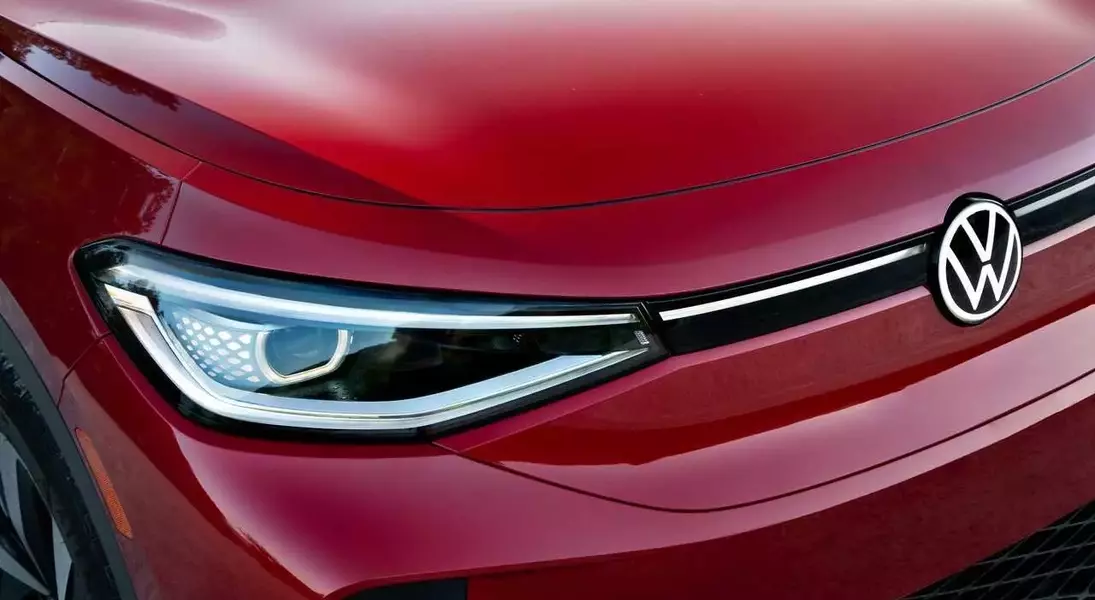
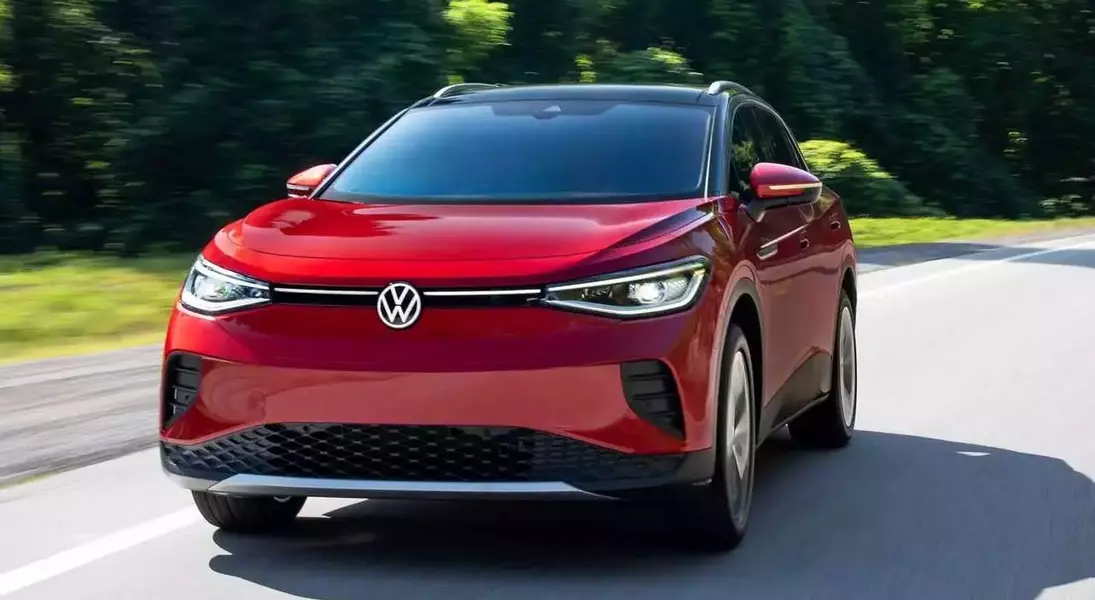
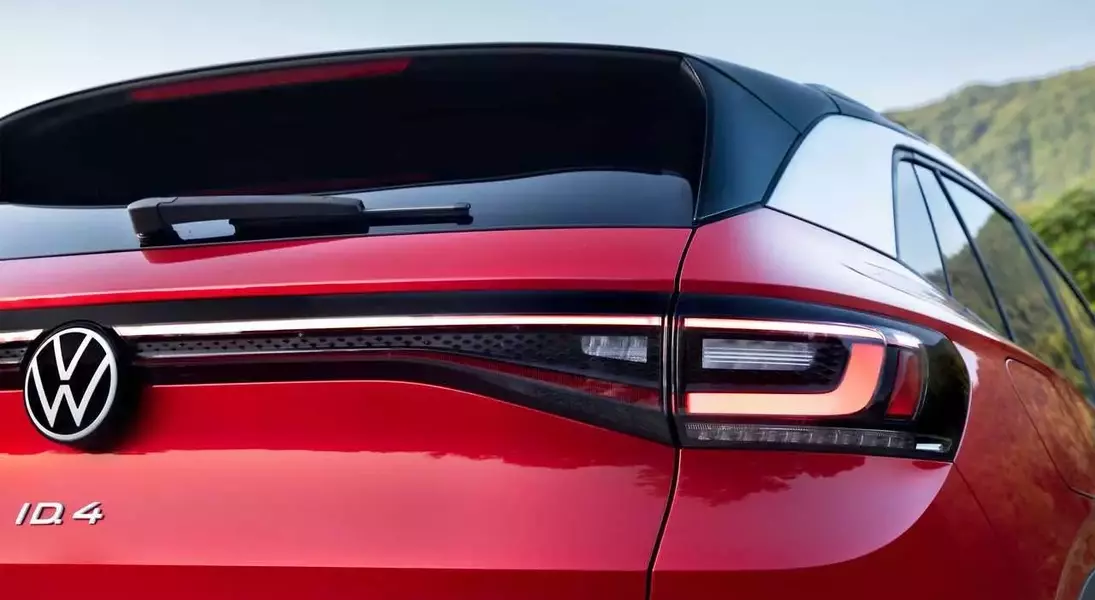
Volkswagen has announced the cessation of its current ID.4 electric SUV production in the United States, making way for the manufacturing of the new 2027 Atlas. While the present iteration of the ID.4 is being phased out, the automotive giant assures consumers that a refreshed version of the electric vehicle is in development for the North American market. This strategic move underscores Volkswagen's commitment to adapting to evolving market demands, particularly as the electric vehicle sector experiences ongoing challenges.
Volkswagen's Strategic Shift: Out with the Old ID.4, In with the New Atlas and Future Electrification
As of mid-April 2026, Volkswagen's Chattanooga, Tennessee plant will discontinue the assembly of the current ID.4 electric SUV. This decision, announced recently, is driven by the need to allocate production capacity to higher-volume models, specifically the highly anticipated 2027 Atlas. The Atlas, which recently debuted at the New York Auto Show, has consistently been one of Volkswagen's top-selling models, making this a logical business move to bolster their competitive position in the three-row SUV segment. Despite the discontinuation of the existing ID.4 model, Volkswagen remains dedicated to its electric vehicle strategy, confirming that a successor model, potentially named the ID. Tiguan or retaining the ID.4 moniker, is in the pipeline. This next-generation electric SUV is expected to leverage Volkswagen's advanced MEB+ platform, promising substantial enhancements in efficiency and overall performance. Buyers interested in the current ID.4 will still have opportunities to purchase 2026 models until year-end.
This strategic pivot by Volkswagen highlights the dynamic nature of the automotive industry, particularly within the nascent electric vehicle market. The company's decision to temporarily withdraw the ID.4 from production to prioritize a high-demand internal combustion engine model, while simultaneously promising a more advanced electric successor, reflects a pragmatic approach to navigating market fluctuations. It underscores the importance of balancing current profitability with long-term technological advancement and consumer preferences, suggesting that flexibility and continuous innovation are key to success in this evolving landscape.
