The Volkswagen Group is enacting a significant restructuring, mirroring moves by other major automakers like Toyota, to simplify its extensive product portfolio. This strategic overhaul focuses on prioritizing popular models, enhancing the customer experience through clearer choices, and tackling excess production capacity. The company aims for substantial cost reductions, targeting over 6 billion euros in annual net savings by 2030, and plans to streamline operations by reducing the number of platforms and electronic architectures, a critical step towards greater efficiency and accelerated vehicle development.
Volkswagen's Strategic Realignment: Focus on Core Models and Efficiency
In mid-June, at its annual general meeting, the Volkswagen Group unveiled a comprehensive eight-point strategy designed to transform the automotive giant. A cornerstone of this plan is a drastic reduction in model complexity, emphasizing high-volume vehicles and streamlining customer selection. This mirrors a trend seen across the industry, where broad and diverse product lines are being re-evaluated for efficiency. By 2025, German factory costs are projected to decrease by more than 20%, with a further goal to eliminate 50,000 positions across Volkswagen, Audi, Porsche, and CARIAD by 2030. These measures are intended to create a more agile and profitable enterprise. Volkswagen CEO Oliver Blume acknowledges the ongoing challenges but expresses confidence in the strategic direction.
The Evolution of Volkswagen's Product Offerings
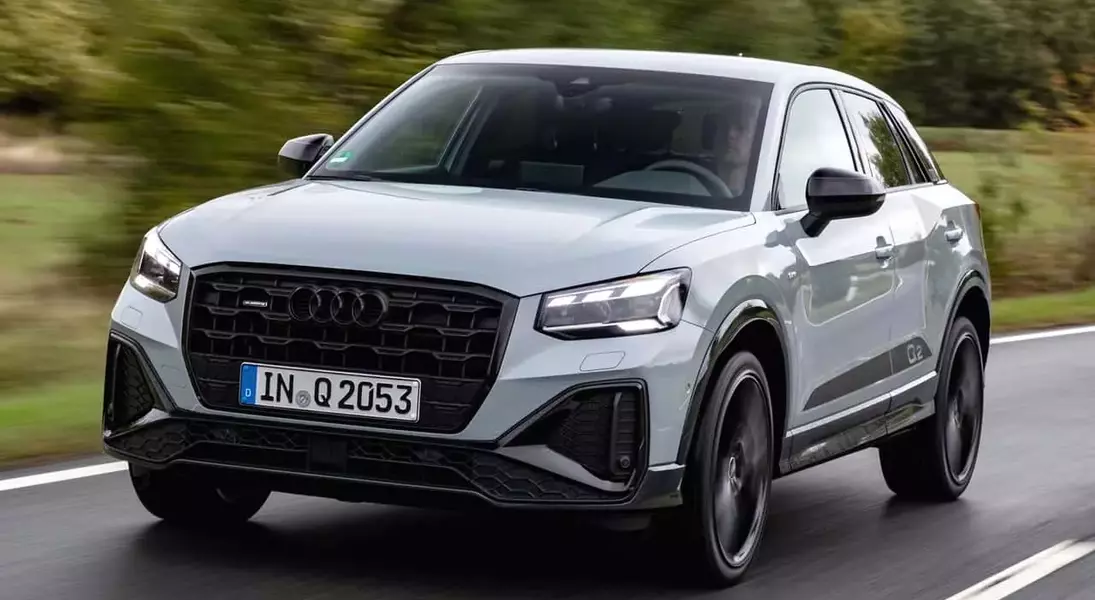
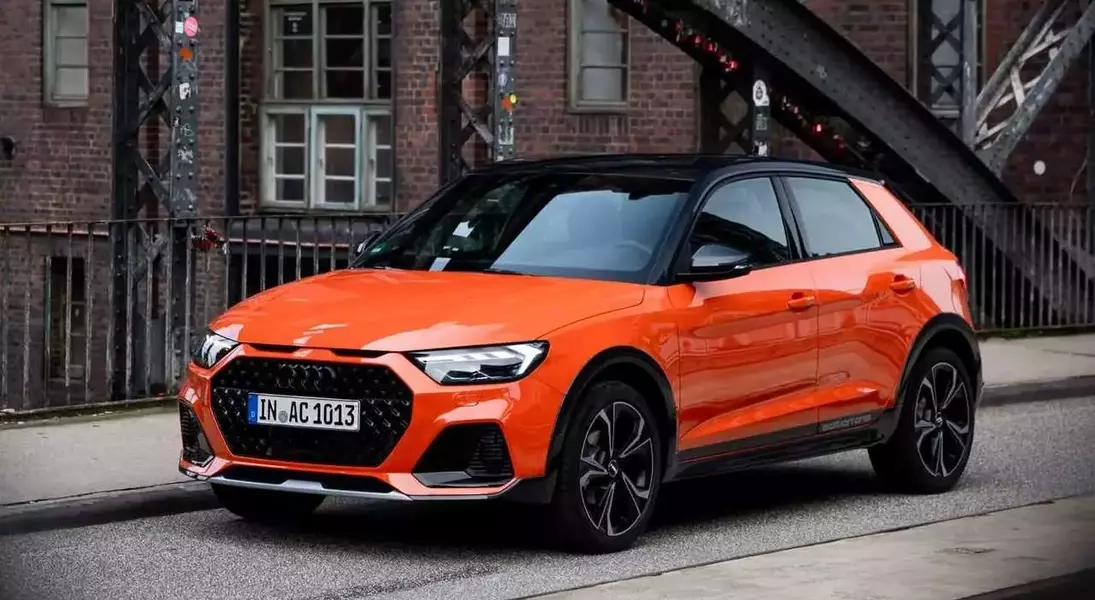
As part of this strategic shift, some models have already been phased out. Audi ceased production of the A1 and Q2, while Volkswagen retired the Touran minivan. The T-Roc Cabriolet is also slated for discontinuation in 2027. However, this does not signal a slowdown in product innovation. Volkswagen launched over 30 new models last year and plans to introduce another 20 by 2026. This year alone, new offerings include the ID. Polo, Cupra Raval, and Skoda Epiq. The Audi A2 is set to return as an entry-level electric model, and Skoda is on the verge of revealing its seven-seat Peaq electric SUV, demonstrating a continued commitment to new and electric vehicle development.
This bold strategic move by the Volkswagen Group reflects a necessary evolution in the automotive industry. It highlights a critical understanding that success in a rapidly changing market demands not just innovation, but also a ruthless focus on efficiency and customer value. While job reductions are undoubtedly difficult, the long-term vision of a more streamlined and responsive Volkswagen Group promises greater sustainability and competitiveness. This transformation underscores the dynamic nature of global manufacturing, where adaptability and strategic foresight are paramount for sustained growth.
