Following a year that presented significant challenges, including a notable decline in operating profit attributed to various external factors, the Volkswagen Group is strategically positioning itself for a robust comeback in 2026. The renowned German automotive giant is poised to introduce an impressive portfolio of over 20 novel or enhanced vehicle models across its diverse brands. This ambitious initiative highlights a renewed focus on the compact car sector, historically a cornerstone of the European market, alongside a significant expansion in the highly popular SUV category.
The Volkswagen Group's 2026 Product Strategy: A Detailed Overview
Volkswagen's resurgence plan for 2026 is multifaceted, spanning across its various brands, including Volkswagen, Audi, Porsche, Skoda, Seat, and Cupra. The core of this strategy revolves around introducing compelling new models and significant updates to existing ones, with a strong emphasis on electrification and hybrid technologies.
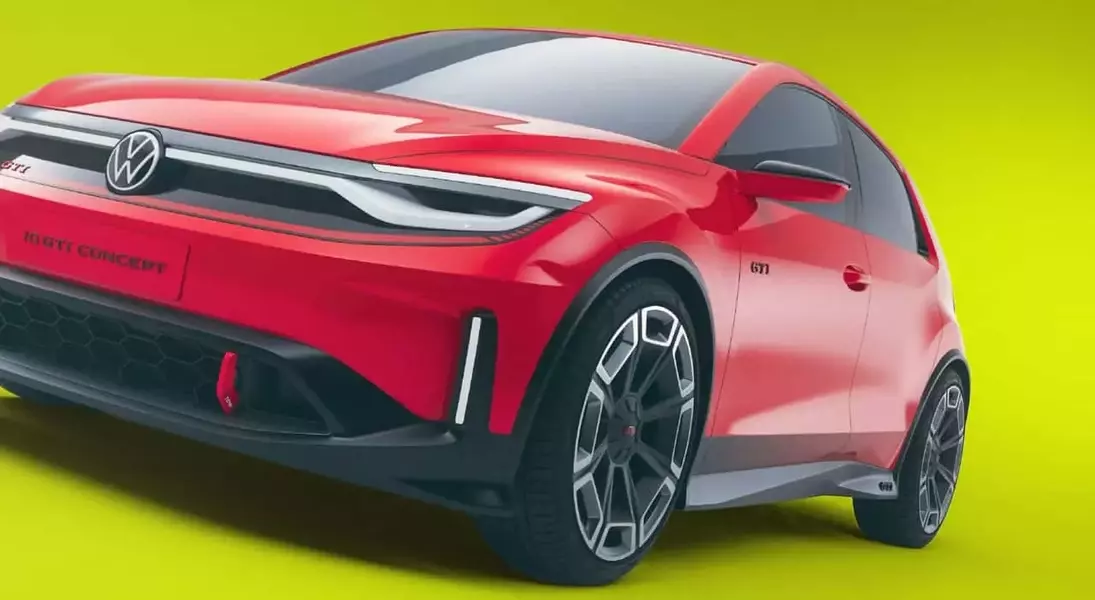
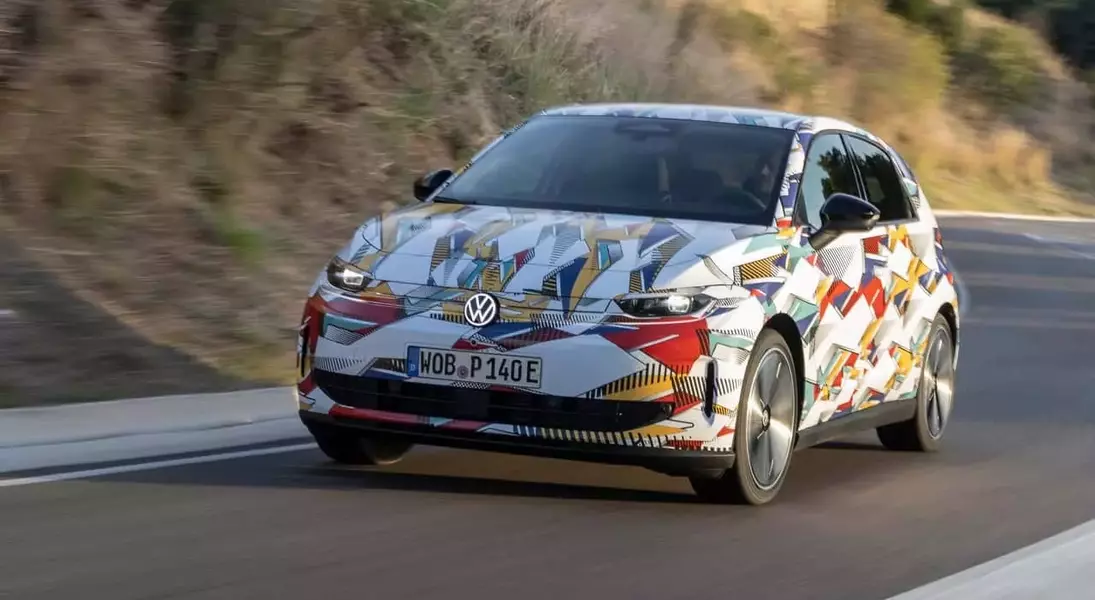
In the burgeoning small car segment, Volkswagen is preparing to launch the ID. Polo, an electric sibling to its popular gasoline-powered Polo. This model's journey has seen refinements since its initial concept, now adopting a more conventional design and leveraging the front-wheel-drive MEB+ platform. Complementing this, the ID. Cross will debut as a compact electric crossover, mirroring the dimensions of the T-Cross.
Other brands under the Volkswagen umbrella are also making strides in the compact electric vehicle space. Skoda will unveil the Epiq, its smallest electric vehicle to date, while Cupra is set to introduce the Raval, a compact car approximately four meters in length, focusing on urban agility and modern design.
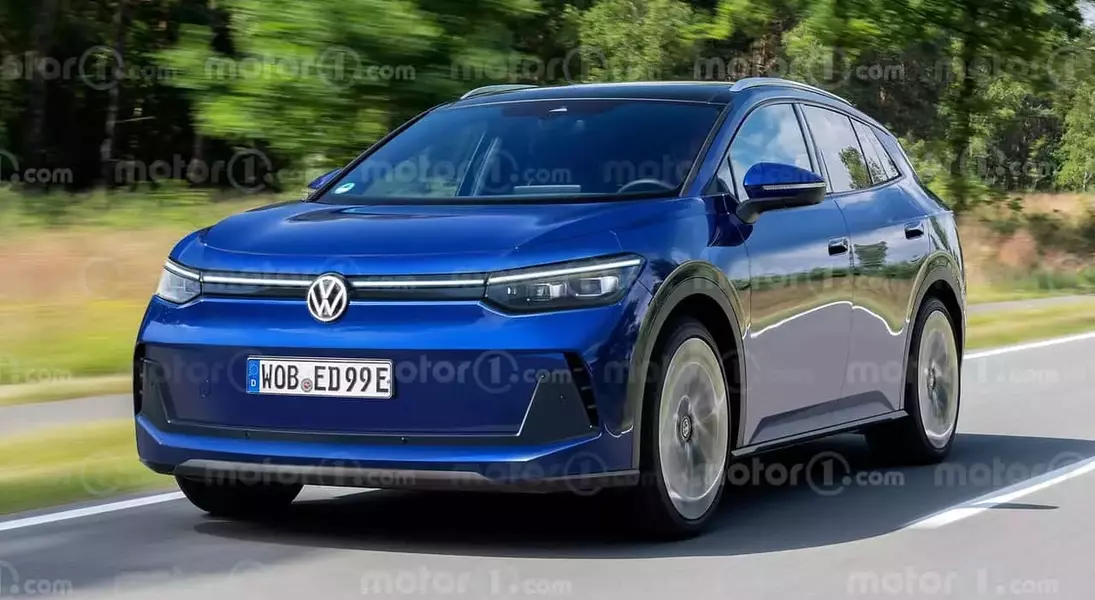
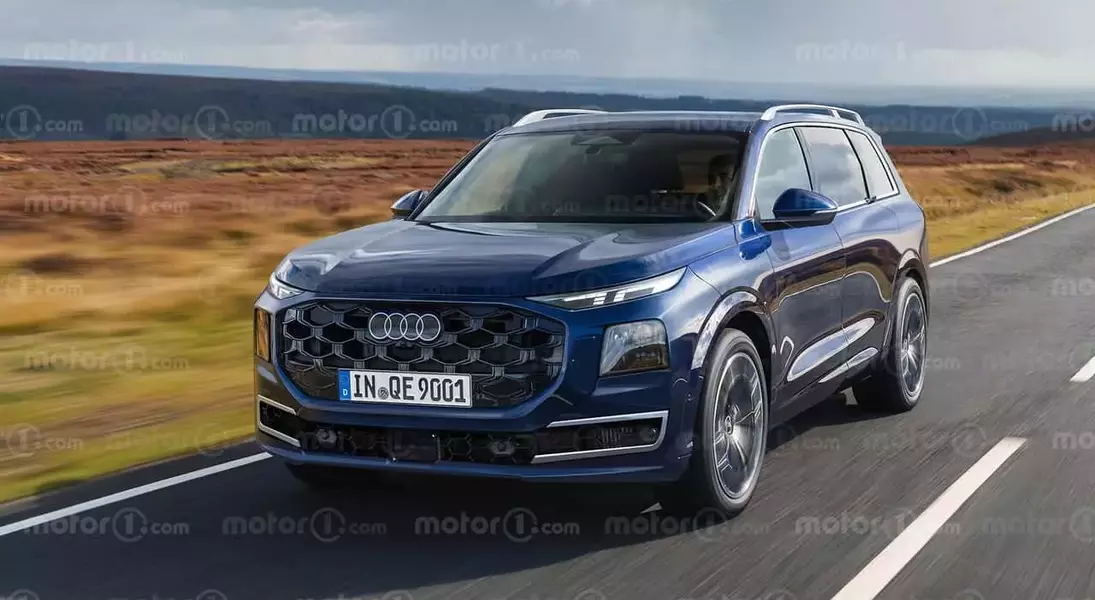
The SUV market, a continuously expanding domain, remains a critical focus. Volkswagen is rolling out the next-generation T-Roc, which will feature a full-hybrid powertrain for the first time. The ID.4 is also undergoing a substantial transformation, expected to be rebranded as the ID. Tiguan, showcasing a comprehensive redesign in both aesthetics and technological advancements. Audi will enrich its SUV lineup with the new Q7 and the flagship Q9, the latter projected to succeed the A8 as the brand's premier offering. Furthermore, Audi's Q4 will receive a mid-cycle refresh, and Porsche is gearing up to release the all-electric Cayenne, boasting an extraordinary 1,156 horsepower. Seat's Arona will also see a facelift, already revealed and scheduled for release starting at €22,500.
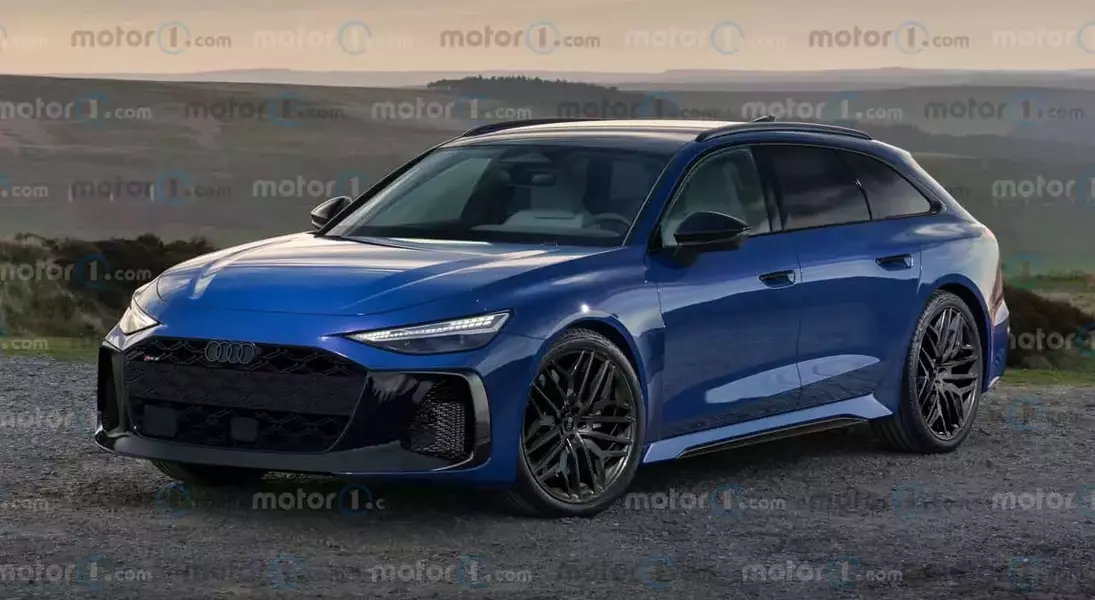
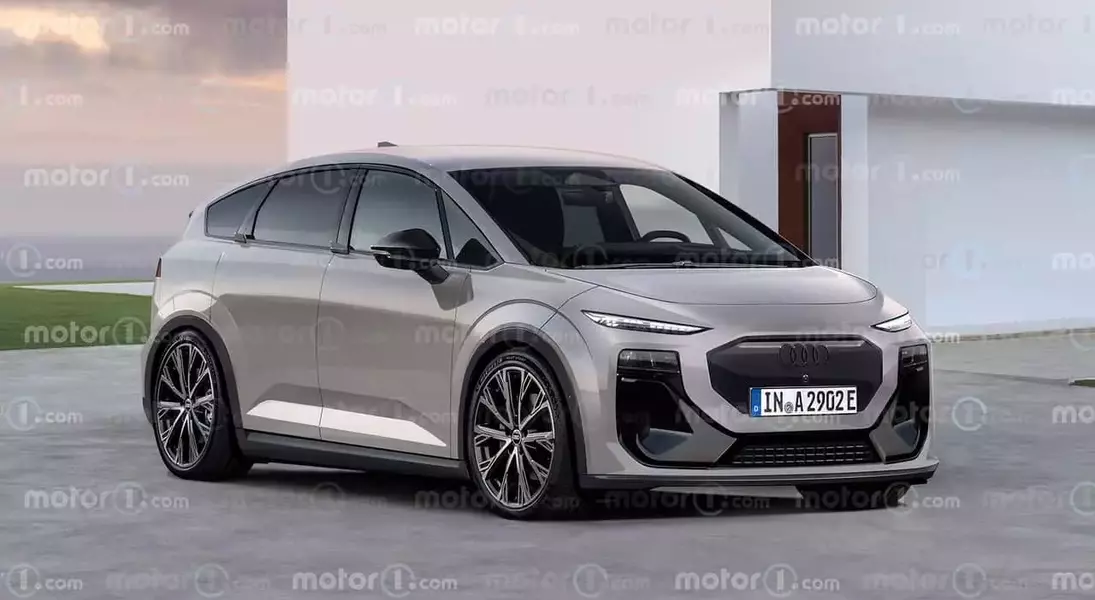
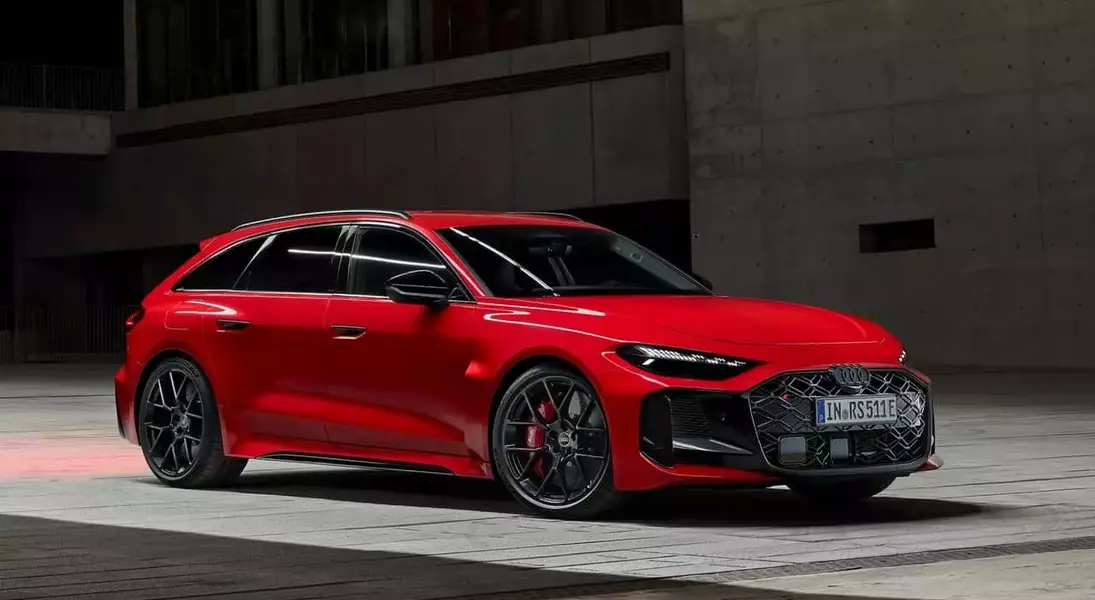
Beyond these categories, several other significant models are slated for 2026. Audi plans an electric revival of its A2 model, reimagined for the electric age on the MEB platform. Following the recent unveiling of the RS5, attention shifts to the next RS6, which is anticipated to combine its formidable V8 engine with a plug-in hybrid system for enhanced performance. Volkswagen will also introduce a hybrid version of the Golf, sharing its full-hybrid powertrain with the T-Roc, along with a refreshed ID.3. Porsche enthusiasts can look forward to the electric 718 Boxster and Cayman, despite earlier cancellation rumors. Finally, Bentley is set to unveil its first fully electric SUV, and Lamborghini is reportedly preparing the Urus SE Performante, promising high-performance luxury in the electrified landscape.
The Volkswagen Group's strategic blueprint for 2026 paints a vivid picture of innovation and adaptation. By focusing on diverse segments, from economical small cars to powerful luxury SUVs, and embracing advanced electric and hybrid powertrains, the group demonstrates a forward-thinking approach. This ambitious product offensive not only aims to recapture market share but also to redefine the driving experience across its esteemed brands. It’s a clear signal of their commitment to future mobility, offering consumers an exciting glimpse into what's next in automotive excellence.
