
The Volkswagen Group is reportedly embarking on a significant cost-reduction initiative, targeting a 20% decrease in expenditures across its diverse brand portfolio by the close of 2028. This ambitious plan, which may involve the closure of manufacturing facilities, signals a proactive response to challenging market dynamics, including a downturn in Chinese sales, the impact of US tariffs, and intensified competition within the global automotive industry. Despite prior efforts to streamline operations, the German automotive giant seeks to unlock further efficiencies and secure its long-term financial stability.
Volkswagen Group Unveils Ambitious Cost-Cutting Strategy Amidst Global Headwinds
In a crucial meeting held last month in the vibrant city of Berlin, top executives from the Volkswagen Group, including CEO Oliver Blume and CFO Arno Antlitz, unveiled a "massive" cost-reduction agenda. This strategic overhaul aims to trim expenditures by a formidable 20% across all brands by the end of 2028, with reports from "Manager Magazin" and "Spiegel" indicating a target saving of approximately €60 billion. This comes as the company faces persistent financial pressures, despite previous unspecified double-digit billion-euro savings.
A critical element of this strategy, as suggested by "Manager Magazin," is the potential for plant closures. This follows the December cessation of car production at the historic Dresden site, famously known as the "Transparent Factory," which became the first German Volkswagen plant to close in 88 years after the ID.3's production concluded. The consideration of further factory shutdowns underscores the urgency and scale of the proposed cost-cutting measures.
Several factors contribute to this imperative for aggressive cost controls. The Chinese market, a once-dominant growth engine, has witnessed an 8% decline in Volkswagen Group sales last year, totaling 2.69 million vehicles. This represents a significant 36% drop from the 4.23 million units sold in 2019, indicating a substantial shift in market demand. Concurrently, US tariffs and a fiercely competitive global automotive landscape are also exerting considerable pressure on the Group's profitability. Official confirmation of these specific details and further insights into the implementation plan are eagerly awaited on March 10th, when Oliver Blume is slated to present the Volkswagen Group's annual results.
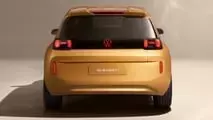
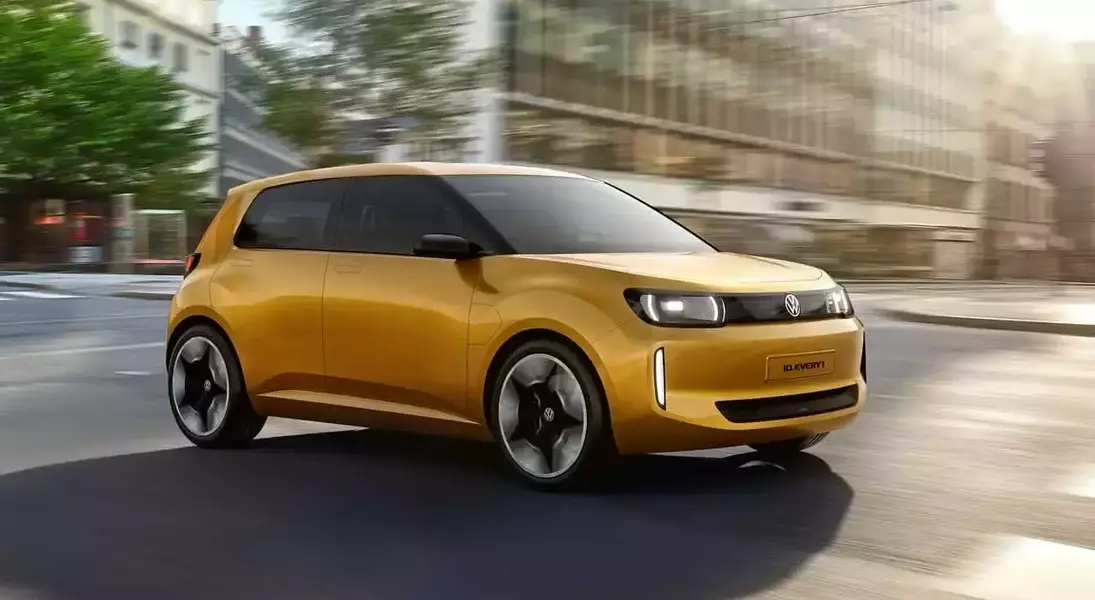
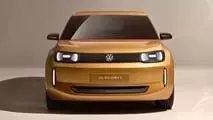
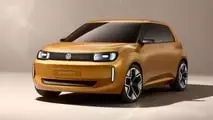
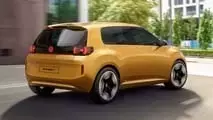
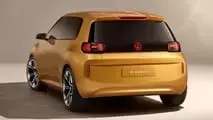
Adding to the complexity, the Volkswagen Group's global sales dipped by 0.5% in 2025, reaching 8,983,900 units, allowing Toyota, with its impressive 11,322,575 vehicle deliveries, to retain its title as the world's best-selling carmaker for the sixth consecutive year. Nevertheless, amidst these challenges, the Volkswagen Group harbors a degree of cautious optimism. The company is actively preparing to introduce a new generation of more affordable electric vehicles, including the €25,000 ID. Polo, set to arrive this year alongside a crossover variant. Additionally, a more accessible €20,000 EV is planned for 2027, intending to replace the discontinued e-up!. Sister brands like Audi, Skoda, and Cupra are also poised to expand their electric vehicle lineups with more budget-friendly options, signaling a strategic pivot towards accessible electrification.
The Volkswagen Group's commitment to substantial cost reductions, potentially including workforce adjustments and production site rationalization, highlights the profound shifts occurring in the automotive industry. While the short-term implications may be challenging, the strategic focus on efficiency and the development of affordable electric vehicles points towards a determined effort to navigate current headwinds and secure a sustainable future in a rapidly evolving market. The impending announcements from Oliver Blume will undoubtedly provide clearer direction for this automotive titan.
