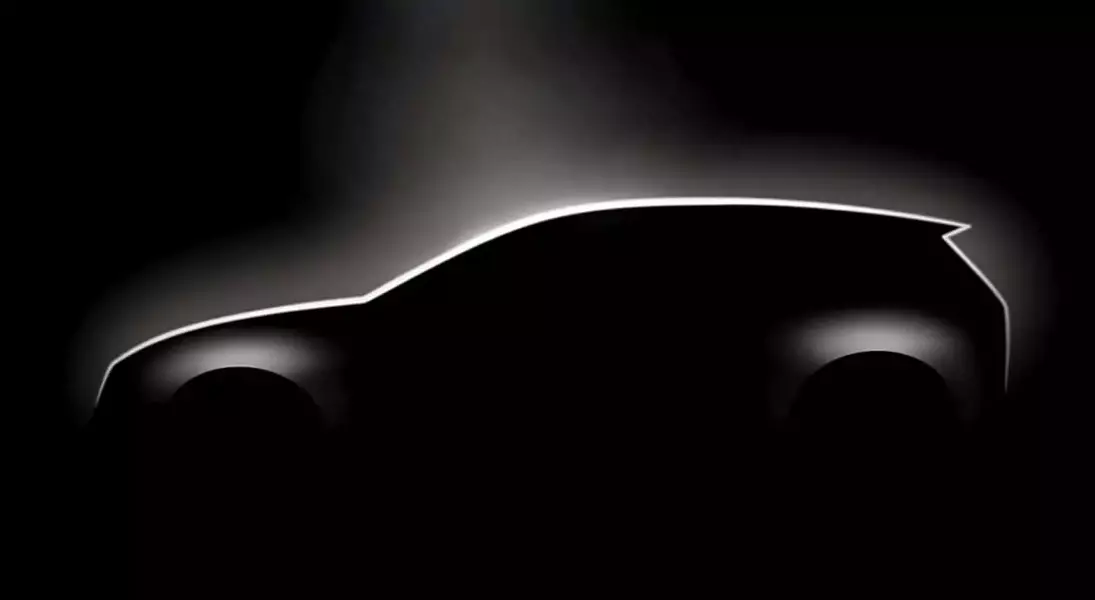
Volkswagen recently unveiled a silhouette of the forthcoming Golf 9 during a company event in Wolfsburg, generating considerable buzz for what remains Germany's top-selling vehicle. This early reveal indicates that the brand is moving towards a unified design philosophy for its electric and gasoline-powered models, promising a familiar yet refreshed aesthetic for enthusiasts and new customers alike. The introduction of an all-electric ID. Golf is poised to redefine the iconic series, blending heritage with innovation.
Volkswagen's Vision: Integrating Past and Future in the Golf 9
In a significant announcement earlier this month, Volkswagen provided the first official glimpse of the Golf 9, showcasing its silhouette to attendees at a company meeting in Wolfsburg. This strategic move highlights the brand's commitment to evolving its best-selling model while retaining its core identity. The teaser reveals a design that, much like the upcoming Polo, will draw heavily from the Golf's established visual language, ensuring a sense of familiarity for loyal customers. Volkswagen design chief Andreas Mindt is steering this direction, aiming to bridge the gap between traditional combustion engine vehicles and the new electric era.
Production plans for the internal-combustion Golf indicate a move to Mexico by 2027, following a similar relocation for the gasoline-powered Polo to South Africa. This geographical shift in manufacturing reflects Volkswagen's adaptive global strategy. Crucially, the company is departing from its previous dual-track approach, which saw distinctly different designs for gasoline and electric models, exemplified by the ID.3. Instead, the ID. Golf, expected to launch around 2028, will share visual cues with its combustion counterpart, signaling a more cohesive product line. Volkswagen has also hinted at a prolonged future for the combustion Golf, possibly involving a significant refresh to coincide with the ID. Golf's debut.
This integrated design strategy extends to the vehicle's interior, where Volkswagen plans to reintroduce physical buttons on the steering wheel and center console, moving away from an excessive reliance on touchscreens. A notable feature will be a selectable 'retro mode' for the digital instruments and infotainment screen, paying homage to the original Golf Mk1. This blend of nostalgic charm and modern functionality is expected to resonate with a broad audience. Prior to the ID. Golf, Volkswagen is set to release the production version of the compact ID. Every1 in 2027, potentially under the name ID. Up.
A Harmonious Future: Embracing Evolution While Honoring Legacy
The unveiling of the Golf 9 silhouette represents more than just an early look at a new car; it signifies Volkswagen's evolving philosophy in an automotive landscape increasingly dominated by electric vehicles. By opting for a cohesive design language across its internal combustion and electric lineups, the brand aims to make the transition to electric mobility smoother and more appealing to its broad customer base. The decision to incorporate classic design elements and reintroduce tactile controls suggests a thoughtful consideration of user experience, aiming to blend innovation with the cherished practicality and aesthetic of the Golf lineage. This strategy could set a precedent for how heritage automotive brands navigate the future of vehicle design and technology.
